




Qashqai Khorjin Rug
A qashqai khorjin rug brings genuine nomadic craftsmanship into your home through authentic tribal weaving and distinctive geometric patterns.
Qashqai Khorjin Rug
A qashqai khorjin rug encompasses antique saddlebags, bag faces, and storage pieces originating from the tribal nomads of south-west Persia. When you search for this phrase, you find utilitarian items transformed into decorative textile art through generations of tradition.
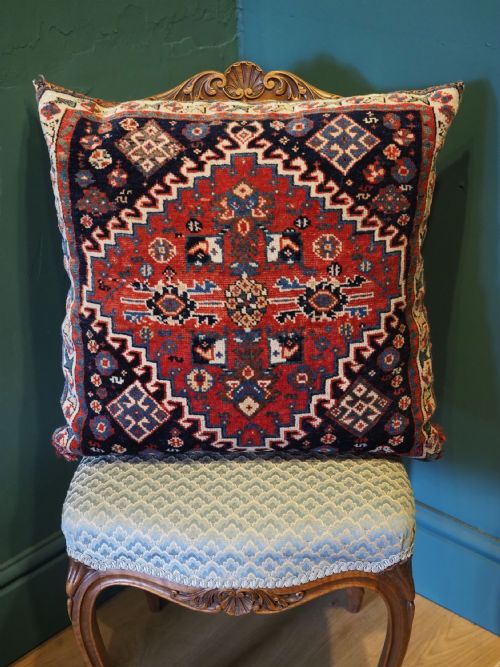
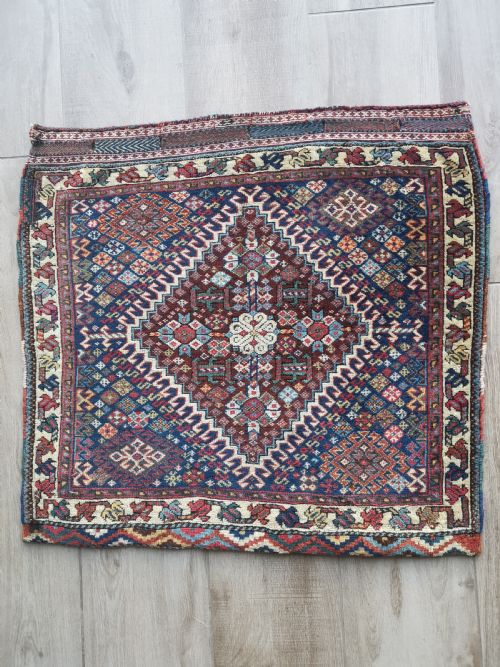
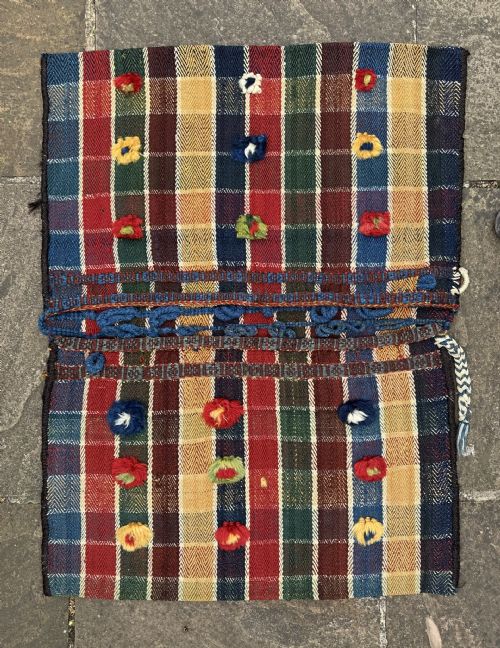
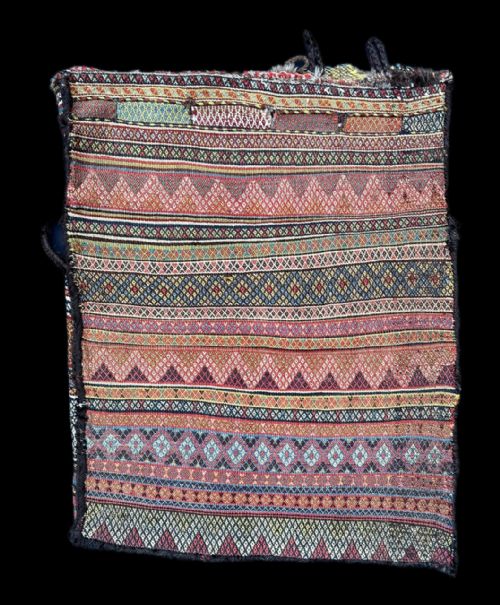
The pieces you meet on this page include single bag faces, double-faced saddlebags, and cushions adapted from older items. They hail predominantly from the late nineteenth century and the early decades of the twentieth century.
Originating in the Fars province and associated confederations like the Darrehshuri and Ard Kapan, these flatweaves and pile rugs reflect a rich nomadic heritage. Each item displays the characteristic motifs and structural integrity typical of Qashqai tribal weaving.
Materials and Construction
These textiles rely on hand-spun wool for the pile and structure, combined with cotton foundations in specific examples. The use of natural dyes ensures that the palette ages with a rich, harmonious patina over the decades.
Weavers knotted and wove these pieces by hand within nomadic camps, structuring them to endure the rigours of transport across south-west Persia. The integration of durable materials guarantees the survival of these storage bags and bag faces long after their working lives ended.
Camels and donkeys originally carried these heavy wool bags across rugged mountain passes before they ended up on modern floors.
Assessing Quality and Execution
Quality in these tribal textiles rests upon the fineness of the knotting and the crispness of the geometric design execution. Tighter structures and more precise rendering of traditional motifs distinguish finer examples from standard utility pieces.
The depth and preservation of the natural dyes further separate exceptional items from ordinary ones. Well-maintained wool texture and balanced colour saturation indicate superior materials and skilled execution by the weaver.
The Qashqai Khorjin Rug Glossary
- Khorjin
- The Persian term for a double-sided saddlebag used by nomads for transport and storage. These were traditionally slung over pack animals.
- Bag Face
- The decorative front panel of a saddlebag, often preserved and mounted as a small rug or cushion after the back section wore out. It displays the primary tribal motifs.
- Fars Province
- A mountainous region in south-west Persia that serves as the historical home of the Qashqai confederation and various related nomadic tribes. It remains renowned for distinctive tribal weaving.
- Natural Dyes
- Colourants derived from plants, insects, and minerals rather than synthetic chemicals. They yield rich, complex hues that mellow gracefully over time.
- Flatweave
- A textile constructed without a pile by interlocking warp and weft threads together. This technique creates a lightweight, durable fabric common in nomadic utility items.
Qashqai Khorjin Rug: Frequently Asked Questions
How were these bags used?
Nomadic tribes utilised these double-sided bags to transport belongings on pack animals across the mountains of Persia. They stored household goods, grain, and personal items during seasonal migrations.
Once retired from active travel, many were repurposed into smaller rugs or cushions as the sturdy fronts remained intact.
How do I date an antique piece?
Dating relies on examining the materials, structural characteristics, and dye types used in the construction. Pieces from the nineteenth century often exhibit hand-spun wool and specific natural colour palettes.
Comparing structural details with documented tribal examples helps narrow down the production era to specific decades.
How do I care for a textile?
Protect the wool by keeping the piece out of direct sunlight to prevent natural dye fading. Gentle vacuuming without a rotating brush helps remove dust without damaging the fibres.
Professional textile conservators should handle any deep cleaning to preserve the integrity of the hand-spun wool and foundation.