





Purple Floral Vase
These purple floral vase pieces bring rich colour and botanical design into a room, offering both sculptural presence and enduring charm.
Purple Floral Vase
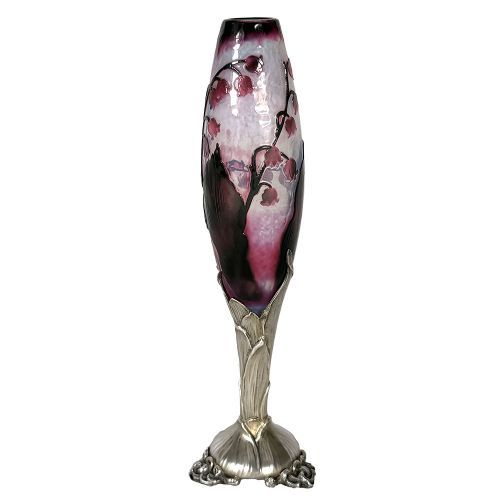
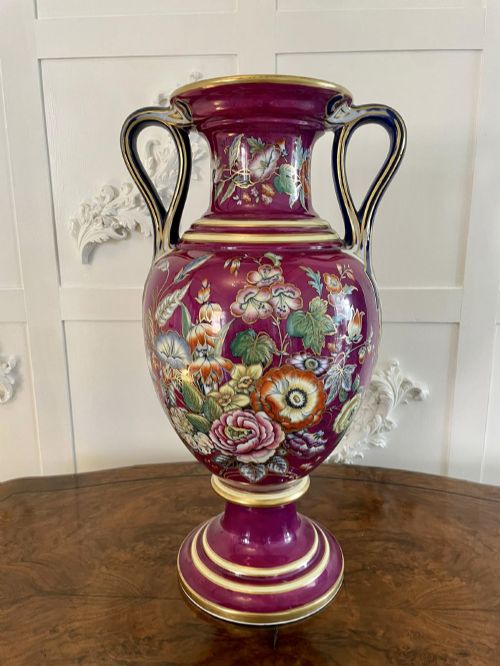
A purple floral vase unites deep amethyst or violet glass and ceramics with painted, enamelled, or cameo-carved botanical motifs. When you search for a purple floral vase, you encounter items spanning the Victorian era, Art Nouveau, and Edwardian periods.
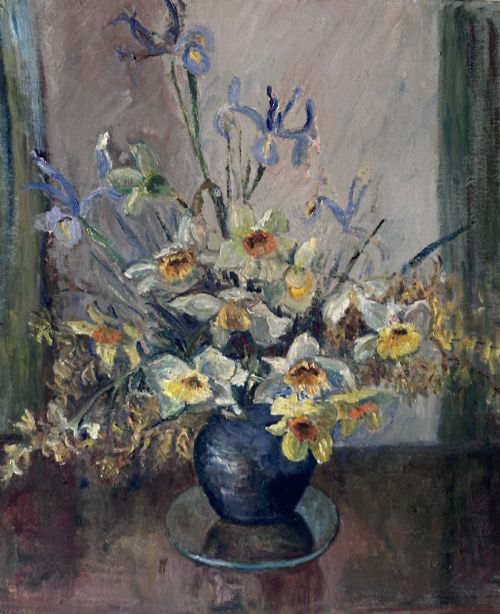
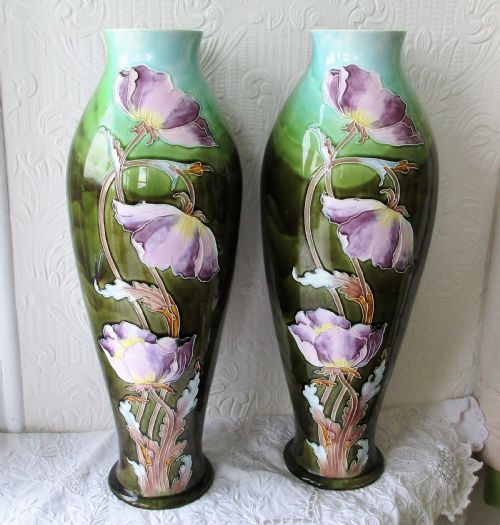
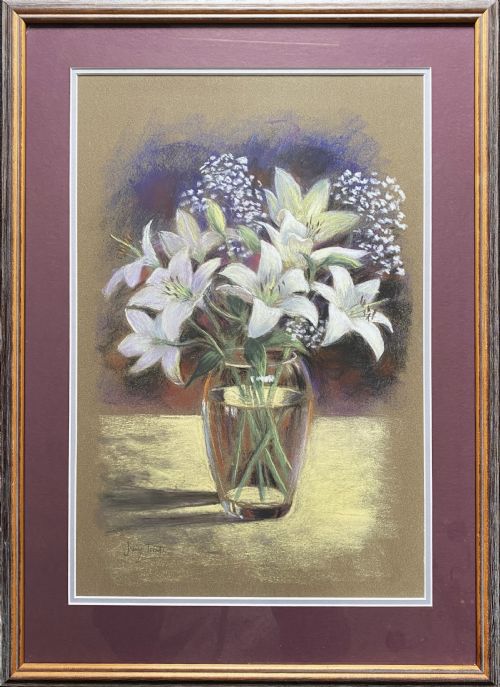
Vessels dominate the selections on this page, ranging from small Moorcroft earthenware pieces to large French faience and cameo glass works. Alongside three-dimensional vessels, the listings also include framed oil and pastel paintings depicting floral subjects.
How they were made
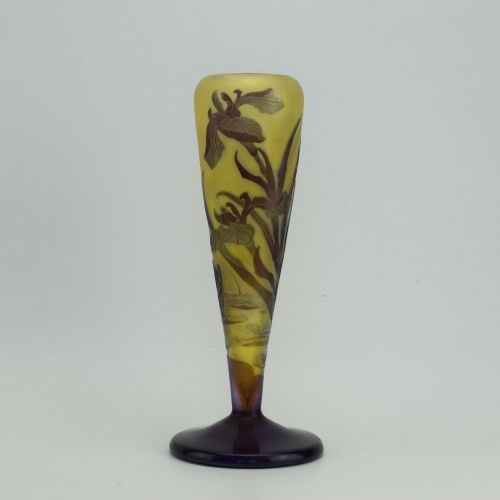
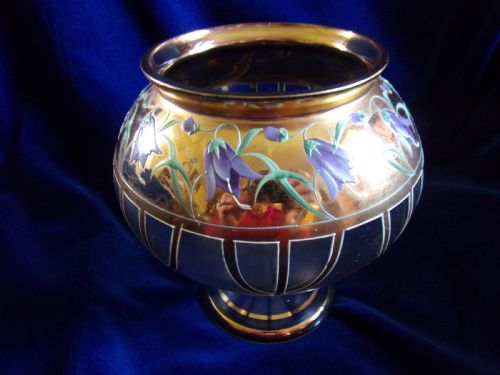
Glassmakers utilised cameo techniques, layering different coloured glass before carving the surface to reveal floral designs in relief, often enhanced with gold leaf. Ceramic pieces rely on earthenware, porcelain, and faience, shaped and fired before receiving enamel colours and glazes.
Painters applied oil and pastel pigments to canvas and mahogany panels to capture floral still lifes. Potters and glasshouses frequently employed hand-finishing, resulting in individual variations across matched pairs and series.
Purple Floral Vase Retail Price Guide 2026
Typical asking prices for purple floral vase among the pieces listed under this phrase on Sellingantiques today, from the lower quarter to the upper quarter. They describe what is for sale here now, not the wider market.
Materials on this site range from cameo glass and porcelain to oil paint and gold leaf.
What varies in quality
The standard of a piece rests on the execution of its botanical decoration and the depth of its colour. Finely rendered enamel work and sharply defined cameo glass carving elevate an item above simpler moulded or painted decoration.
Makers' marks, signature signatures, and the prestige of workshops such as Meissen, Royal Doulton, or Gallé separate standard production items from significant collector pieces. The crispness of kiln firing and the preservation of gilded details also determine distinction.
Moorcroft·Staffordshire·Meissen·Daum·Royal Doulton
The Purple Floral Vase Glossary
- Cameo glass
- A method of glassmaking where multiple layers of different colours are fused together and carved away to create raised designs. This technique requires considerable skill to achieve contrasting depths and botanical detail.
- Faience
- Tin-glazed earthenware produced widely in France and across Europe. It provides an opaque white surface suitable for painted floral decoration.
- Porcelaneous
- A ceramic body that shares qualities with porcelain, offering a dense and vitreous texture. Staffordshire makers utilised this material for robust decorative urns and vessels.
- Solanacees
- A French term for plants belonging to the nightshade family, frequently referenced in Art Nouveau decorative arts. Daum utilised botanical forms of this type in glass vessel design.
Purple Floral Vase: Frequently Asked Questions
What periods do these pieces come from?
The items span the mid-nineteenth century through the Edwardian era and into the early twentieth century. Art Nouveau and Victorian examples appear frequently among the listings.
Later twentieth-century works also feature, alongside nineteenth-century French and English decorative objects.
How do I care for enameled glass?
Clean enameled glass gently with a soft, dry cloth to protect the surface decoration and gilding. Avoid using abrasive cleaning agents or immersing decorated glass in water for long periods.
Keep pieces away from direct sunlight to preserve the richness of the purple hues and enamel pigments.
What is cameo glass?
Cameo glass is formed by fusing layers of different coloured glass together before carving away the outer layer. This leaves a raised design, such as aquatic irises or floral stems, standing out against a contrasting background.
Maker signatures are sometimes acid-etched directly into the glass surface.
Are these items sold as pairs?
Some listings include matched pairs of vases, particularly among the French faience and English glass selections. Other entries comprise single vessels or individual paintings.
Pairs often display mirrored botanical motifs suited for mantelpieces or side tables.