






Punch Bowl Ladle
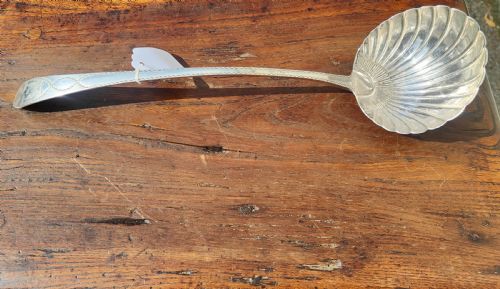
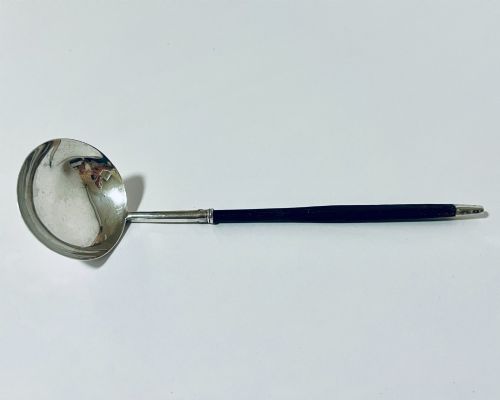
These punch bowl ladle examples offer the ideal accompaniment to period bowls, combining sterling silver, cut glass, horn, and whalebone.
Punch Bowl Ladle
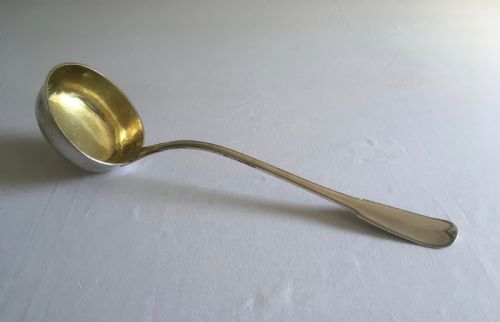
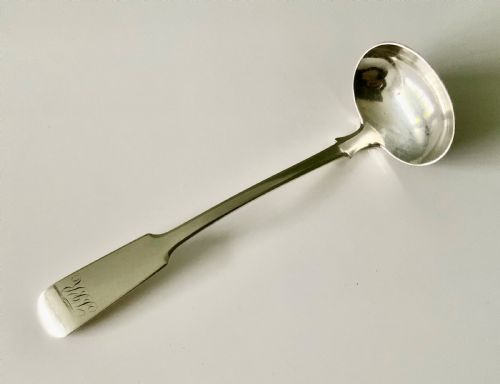
A punch bowl ladle serves as the traditional utensil for dipping and serving festive drinks from large vessels at the table. When searching for a punch bowl ladle, buyers encounter diverse forms ranging from compact toddy ladles to large soup and punch servers.
The examples available here span the Georgian and Edwardian eras, alongside pieces from the eighteenth and nineteenth centuries. Irish, Scottish, and London provincial silversmiths dominate the metalwork, while various iterations incorporate natural materials like coquilla nut and wood.
Smaller toddy lifters and twisted whalebone handles appear frequently alongside sterling silver bowls and silver plated service sets. These utensils bridge practical hospitality and fine dining heritage across multiple historical periods.
Materials and construction methods
Silversmiths shaped bowls from sterling silver, German silver, and silver plate, frequently employing cut glass and flint glass for transparent vessels. Metal components combine with organic elements such as horn, whalebone, and coquilla nut.
Treen and turned wood provide tactile handles, often twisted or curved to assist grip during serving. Silversmiths applied hallmarks and crests directly to the metalwork, marking origin and provenance.
Punch Bowl Ladle Retail Price Guide 2026
Typical asking prices for punch bowl ladle among the pieces listed under this phrase on Sellingantiques today, from the lower quarter to the upper quarter. They describe what is for sale here now, not the wider market.
Some eighteenth-century drinkers relied on glass toddy lifters that worked like giant pipettes to suck up spirits and drop them into cups.
Assessing quality and craftsmanship
Quality rests in the integrity of the materials, where crisp cutting on flint glass and substantial gauge silver elevate a piece above standard utility. The connection between organic handles, such as whalebone or horn, and the metal bowl demands careful execution.
Engraved crests and clear town or maker marks add significant interest for collectors of provincial silver. The balance of the handle against the weight of the bowl determines the tactile success of each utensil.
John McDonald·Michael Smith·Tiffany and Co·Daniel and Arter
The Punch Bowl Ladle Glossary
- Toddy ladle
- A small drinking vessel server designed for hot spirits, frequently featuring twisted whalebone or wooden handles. These utensils typically measure shorter than standard soup ladles.
- Toddy lifter
- A glass implement used to transfer liquid by suction and release, functioning similarly to a pipette. Cut glass examples appear regularly in Georgian drinking service.
- Treen
- Small handmade wooden domestic objects. These items showcase traditional turning and carving skills from past centuries.
- Silver plate
- A base metal coated with a thin layer of silver. This technique offered an accessible alternative to solid sterling silver during the nineteenth century.
- Hallmark
- An official stamp applied to precious metals to indicate purity and origin. These marks help verify the exact period of manufacture.
Punch Bowl Ladle: Frequently Asked Questions
What is a punch bowl ladle?
A punch bowl ladle is a specialised serving spoon designed to portion drinks from a large communal bowl into individual cups.
These utensils feature long handles to reach deep into vessels and wide bowls to hold generous measures.
How do I date an old ladle?
Dating relies heavily on legible silver hallmarks, style conventions, and material combinations such as whalebone or coquilla nut.
Georgian and eighteenth-century examples display distinct provincial maker marks and engraving styles compared to later Victorian iterations.
Why use whalebone for handles?
Whalebone provided exceptional flexibility and durability for slender handles that needed to withstand frequent handling.
Craftsmen prized its resilient nature for twisted designs that offered a secure grip during hospitality service.
Can I use these for modern dining?
These utensils remain fully functional for serving punch, soups, or beverages from compatible antique bowls.
Careful hand washing preserves organic handle materials and historic metal finishes against modern detergents.