







Pub Bar Counter
A pub bar counter grounds a room with heavy timber and history, offering sturdy seating and surface work built for daily tavern life.
Pub Bar Counter
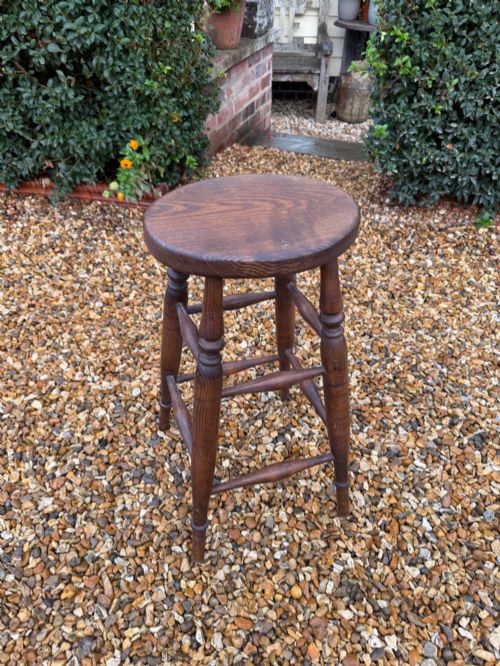
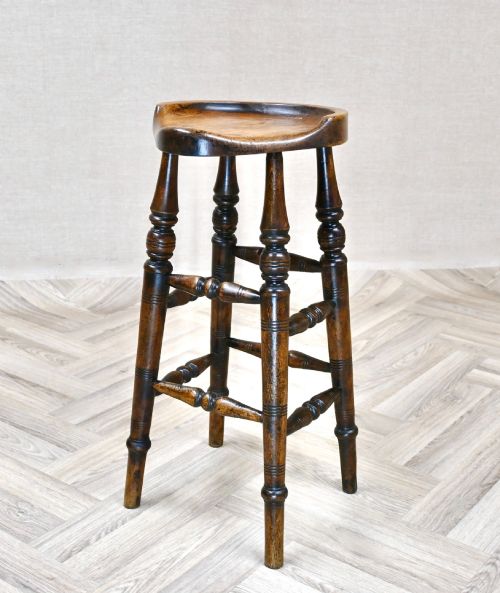
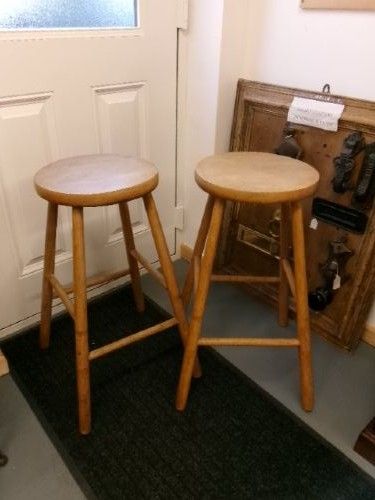
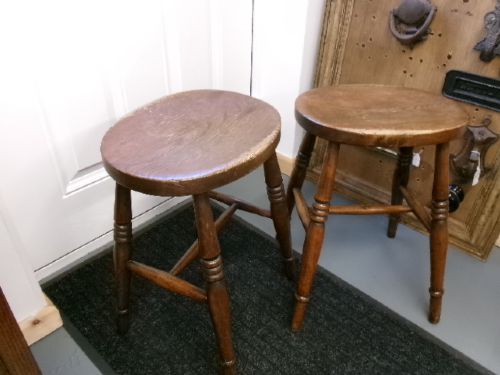
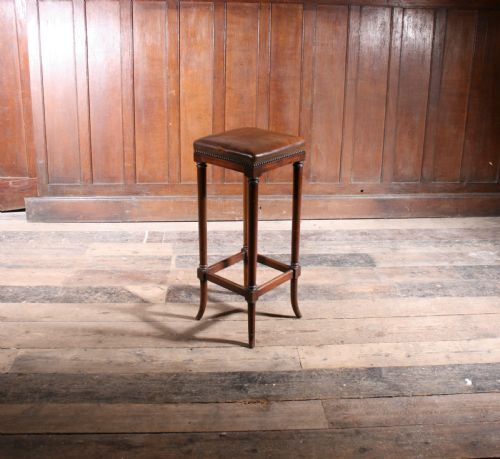
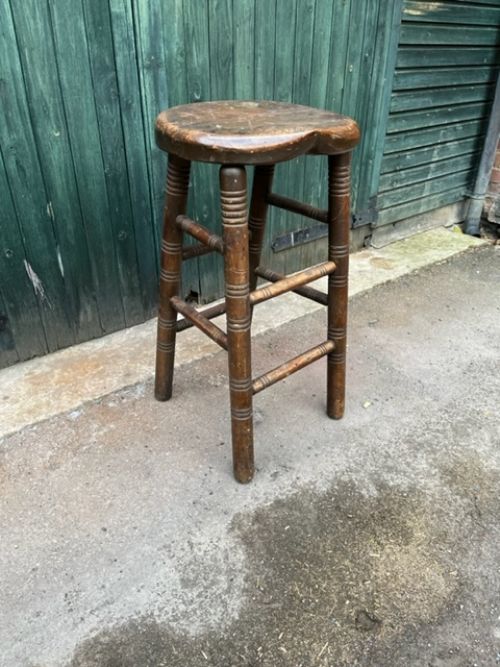
Most examples originate from British public houses, farmhouses, and trade settings where durable wooden seating was essential. You find elm saddle seats, bentwood designs, and heavy industrial stools featuring cast-iron seats and gear cog bases.
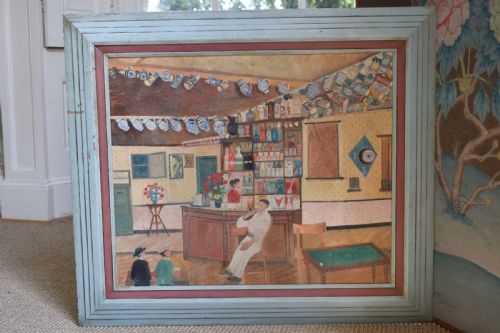
Beyond physical bars and seating, the category occasionally includes oil painting depictions of bar interior scenes. These diverse forms reflect the utilitarian spaces where drinks were served and locals gathered.
Materials and construction
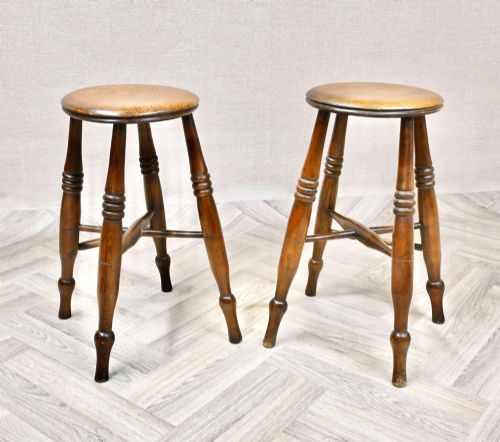
Makers relied on hard-wearing native timbers like elm, sycamore, beech, pine, oak, and mahogany to withstand the heavy daily use of public houses and taverns. Turned beech and birchwood provided sturdy legs for clerk's stools, while thick elm and sycamore formed durable, dished seats.
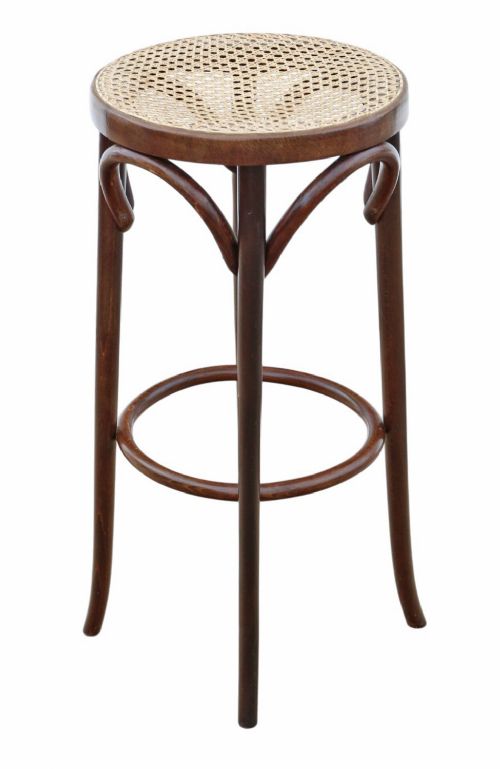
Industrial examples incorporated functional cast-iron components, such as seats and gear cog bases from manufacturers like Blackstone and Co., joined with robust wooden elements. Bentwood techniques were also utilised for lighter, curved high stools dating to the early twentieth century.
Pub Bar Counter Retail Price Guide 2026
Typical asking prices for pub bar counter among the pieces listed under this phrase on Sellingantiques today, from the lower quarter to the upper quarter. They describe what is for sale here now, not the wider market.
Listings span the nineteenth century through the 1950s, recording timbers such as mahogany, elm, sycamore, and beech alongside industrial cast iron.
Evaluating quality and authenticity
The distinction between ordinary utility items and finer pieces lies in the integrity of the timber and the depth of natural patination earned through decades of pub life. Solid elm tops with well-worn saddle shapes or oval dished depressions demonstrate superior craftsmanship compared to simpler replacements.
Original cast-iron mechanical elements and manufacturer markings on industrial stool bases elevate a piece above standard workshop production. The balance between sturdy turned legs and well-joined frames determines how securely a bar stool stands today.
Blackstone and Co.
The Pub Bar Counter Glossary
- Dished top
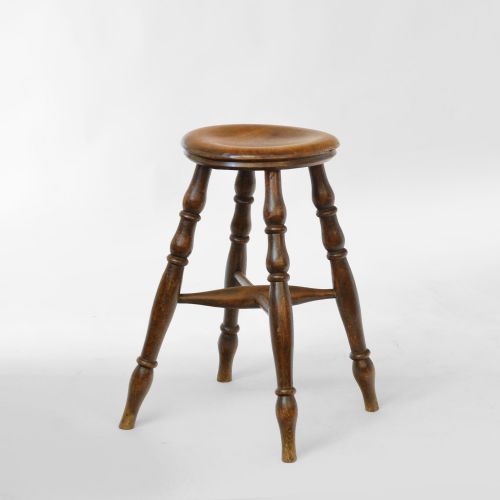
- A seat carved with a shallow concave depression to fit the sitter. This traditional shaping provides comfort without requiring upholstery.
- Saddle seat
- A wooden stool top carved into the contours of an equestrian saddle. This form distributes weight evenly during long hours of work or drinking.
- Bentwood
- Wood steamed until flexible and then bent into curved structural forms. This technique created lightweight yet resilient high stools in the early twentieth century.
- Clerk's stool
- A tall, simple stool traditionally used at high desks or writing counters. They typically feature turned wooden legs and circular wooden seats.
- Gear cog base
- An industrial iron support utilising cogs and mechanical cogs for height adjustment or stability. These bases appeared on heavy workshop and bar seating.
Pub Bar Counter: Frequently Asked Questions
How do I style a pub bar counter?
Pair large wooden bar furniture with complementary antique stools and warm, low lighting to recreate a traditional tavern atmosphere in a domestic space.
Keep surrounding decor grounded with natural materials like exposed brick or timber to echo the original public house environment.
Are these stools comfortable for daily use?
Many nineteenth-century tavern and bar stools feature ergonomically carved dished tops or saddle seats designed for extended sitting.
Adding a footrest at the correct height helps maintain comfort when using tall stools at modern counters or breakfast bars.
What woods were commonly used?
Traditional makers favoured dense native hardwoods like elm, sycamore, beech, and mahogany for their resilience against constant wear and tear.
Pine and softer timbers occasionally appeared in structural framing or secondary components where heavy impact was less likely.
How can I date an old bar stool?
Examine the turning style of the wooden legs, the method of joint construction, and the presence of maker stamps or cast-iron foundry marks.
Natural wear patterns, such as surface softening and old polish build-up, also indicate genuine nineteenth or early twentieth-century origins.