

Provincial Wooden Drawers
Provincial wooden drawers bring honest country character to a room, offering practical storage fashioned from local timbers by regional makers.
Provincial Wooden Drawers
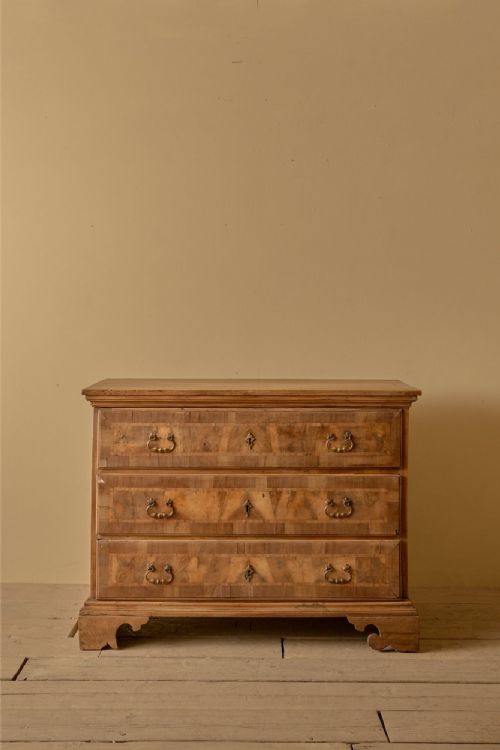
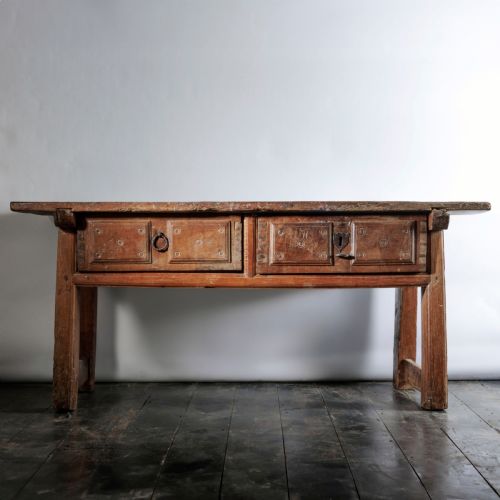
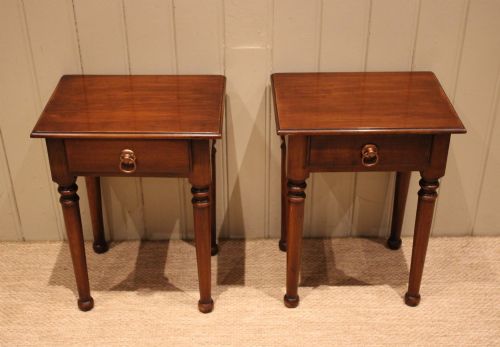
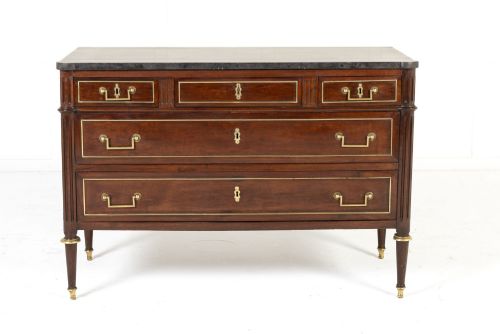
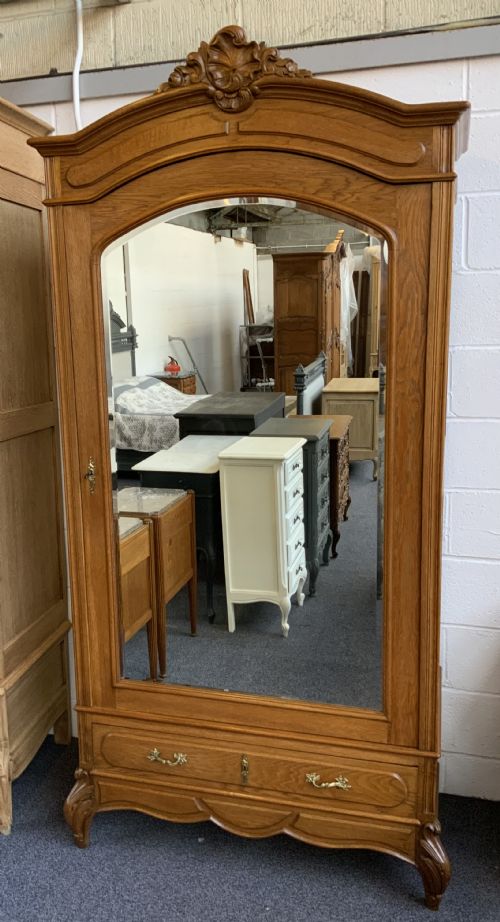
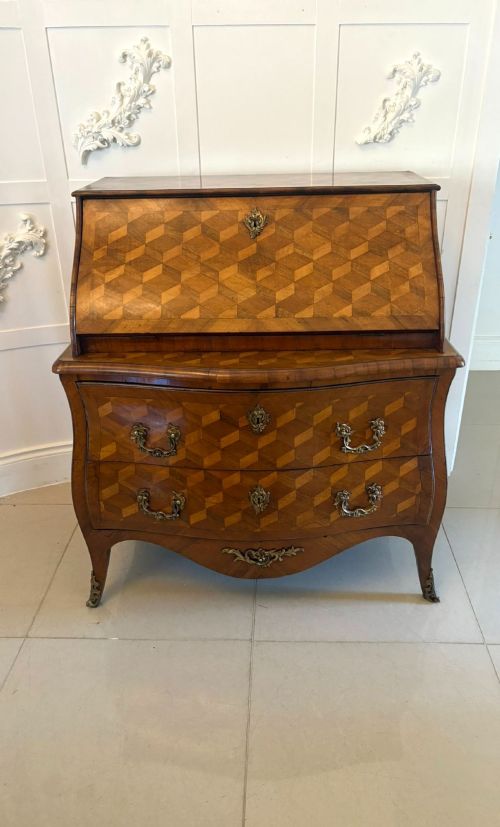
Provincial wooden drawers encompass pieces made outside metropolitan centres, primarily taking the form of chests of drawers, commodes, and consoles with integrated drawers. These items reflect the domestic needs of rural households, emerging most frequently from French, Italian, and English traditions.
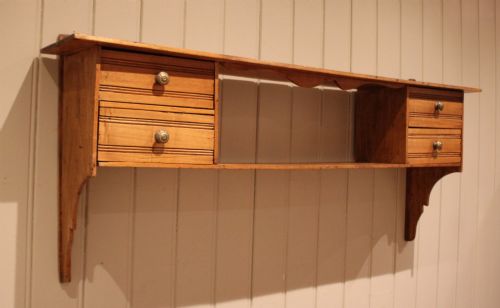
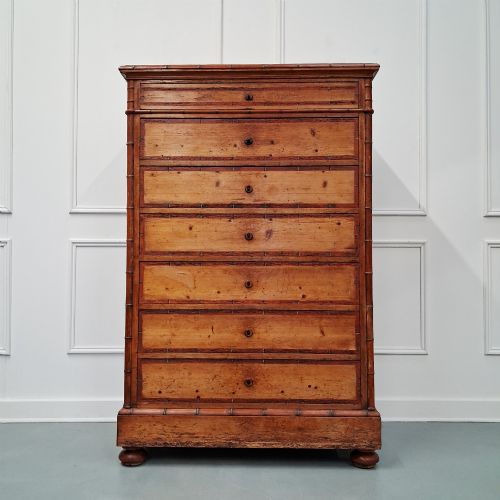
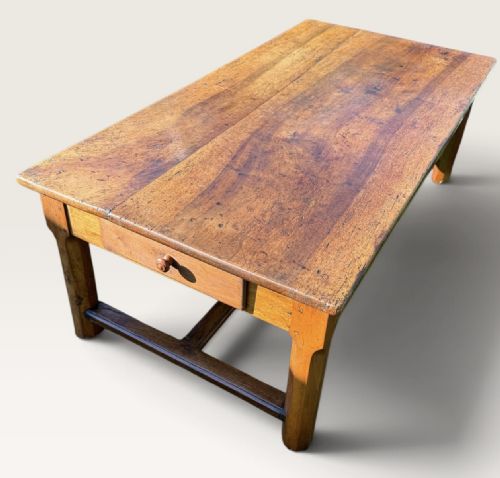
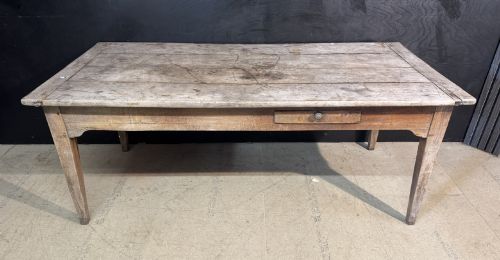
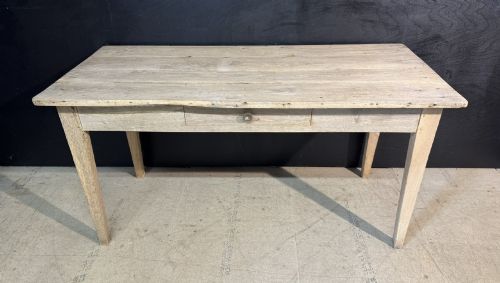
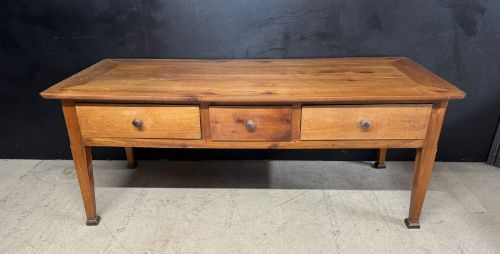
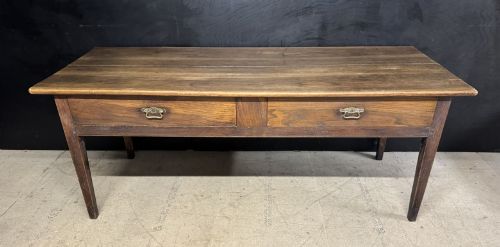
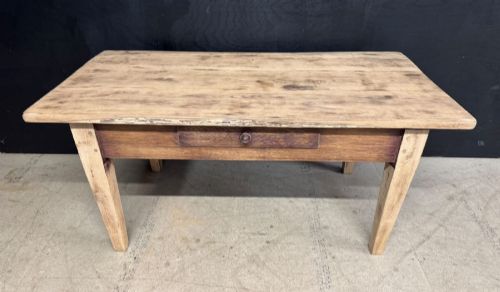
The pieces on this page span the eighteenth, nineteenth, and early twentieth centuries, capturing a long tradition of regional cabinetmaking. Buyers encounter everything from early oak dresser bases to cherrywood commodes and pine tables fitted with functional storage compartments.
Regional variations dictate the character of each piece, showing local timber preferences and vernacular design traits rather than strict court styles. A typical piece prioritises sturdy utility and straightforward construction over elaborate ornamentation.
What varies in quality
The standard of a piece rests upon the selection of timber and the integrity of the cabinetmaker's joinery. Superior examples display thoughtful grain matching and well-fitted drawer construction that functions smoothly without modern intervention.
Proportion and surface preservation also distinguish finer pieces, where original patination and untouched hardware remain intact. Lesser items often show clumsy alterations or degraded timber surfaces that obscure the original provincial character.
Provincial Wooden Drawers Retail Price Guide 2026
Typical asking prices for provincial wooden drawers among the pieces listed under this phrase on Sellingantiques today, from the lower quarter to the upper quarter. They describe what is for sale here now, not the wider market.
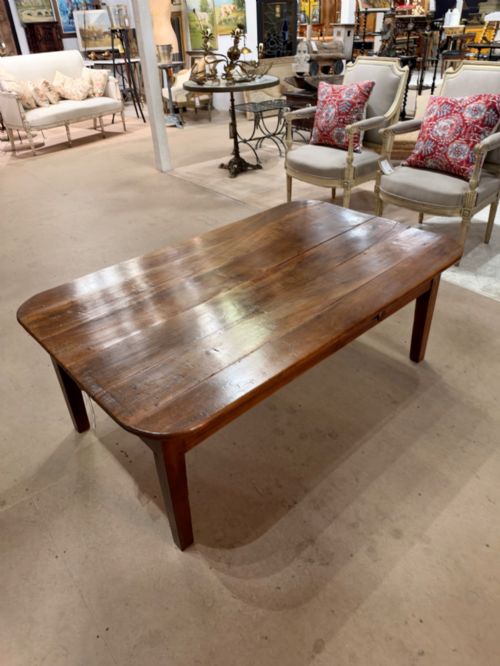
Several dining tables include a sliding bread board tucked beneath the top, ready for slicing loaves before modern kitchen counters existed.
The Provincial Wooden Drawers Glossary
- Commode
- A low chest of drawers or cabinet, frequently associated with eighteenth-century French design. These pieces often feature serpentine fronts or inlaid parquetry.
- Dresser base
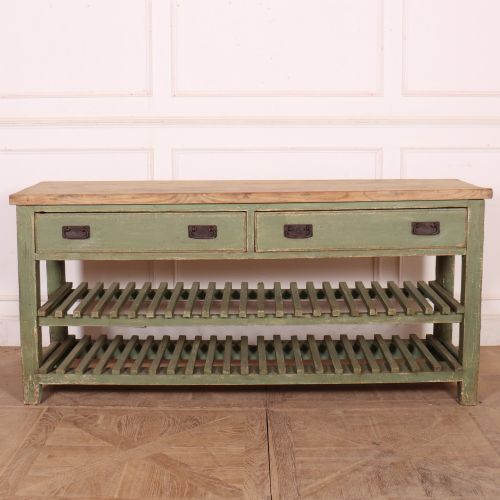
- A low wooden sideboard or storage unit fitted with drawers, originating from farmhouse kitchens and dining spaces. They provide substantial surface area alongside under-counter storage.
- Bombe
- A swelling, convex shape characteristic of certain eighteenth-century case furniture. This curved profile requires advanced woodworking skill to execute successfully in solid wood or veneer.
- Parquetry
- Geometric wood inlay work forming decorative patterns across a surface. It is often found on the drawer fronts or tops of finer provincial case pieces.
- Escutcheon
- A protective plate surrounding a keyhole, usually fashioned from brass or iron. They serve both a functional purpose and a decorative role on drawer fronts and cabinet doors.
Provincial Wooden Drawers: Frequently Asked Questions
What is a provincial commode?
A provincial commode is a regional chest of drawers, often featuring shaped fronts and cabriole legs. These pieces originated outside capital cities in areas such as rural France.
They served as practical bedroom or living room storage while displaying the distinct local craftsmanship of regional cabinetmakers using native timbers like cherrywood or walnut.
How do I date an old wooden chest?
Dating relies on examining construction methods, timber types, and hardware fixings. Hand-cut dovetails and pegged joints typically point to eighteenth or nineteenth-century origins.
Stylistic cues such as serpentine drawer fronts or turned legs also help align a piece with periods like the Georgian era or Louis XV style.
What timbers were used for country furniture?
Country furniture makers relied primarily on locally available hardwoods and softwoods. Oak, walnut, cherrywood, fruitwood, chestnut, and pine appear frequently across these listings.
The choice of wood usually depended on regional geography and the specific functional demands placed on the table, chest, or sideboard.
Where were these pieces made?
These items were produced in regional workshops across Europe, with a strong representation from French provinces, Italy, Spain, and Britain. Makers worked outside major urban guilds.
This regional independence allowed local vernacular styles and traditional woodworking techniques to flourish without strict adherence to court fashions.