
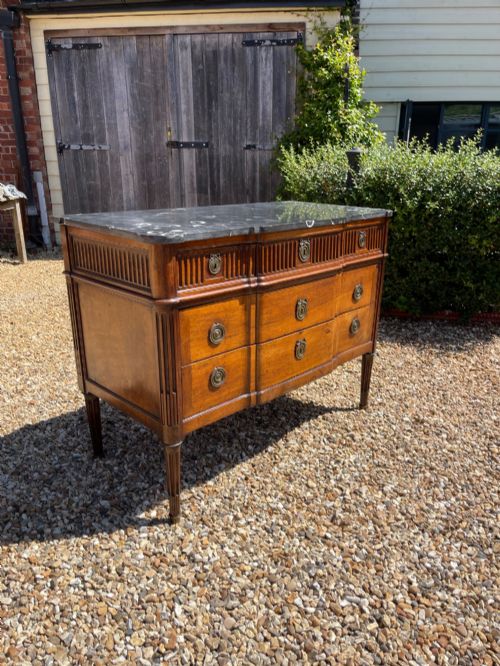
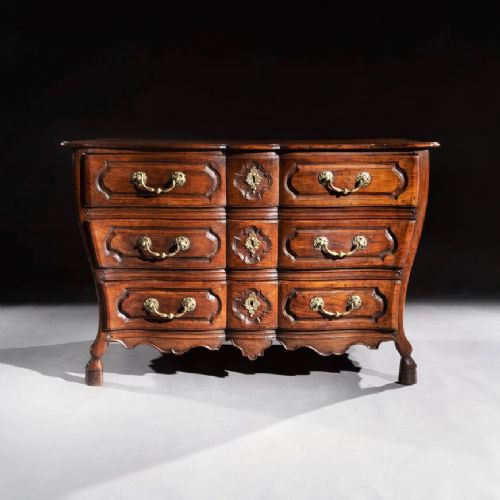
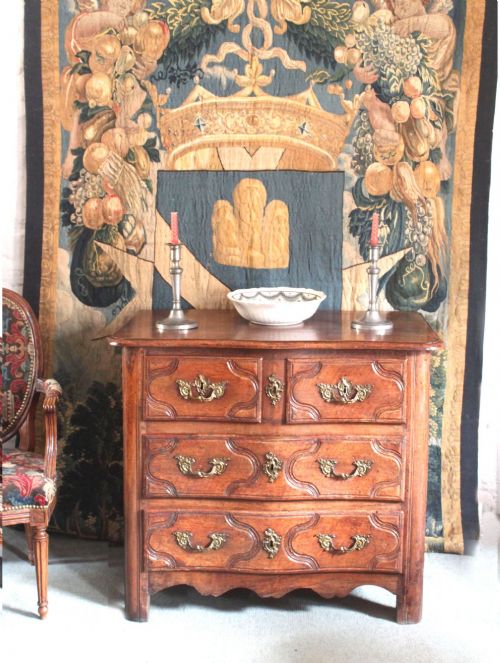
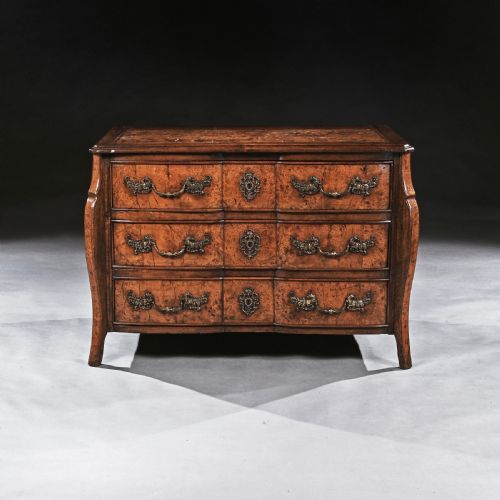



Provincial Wooden Commode
A provincial wooden commode brings rustic regional craftsmanship and substantial storage to a room.
Provincial Wooden Commode
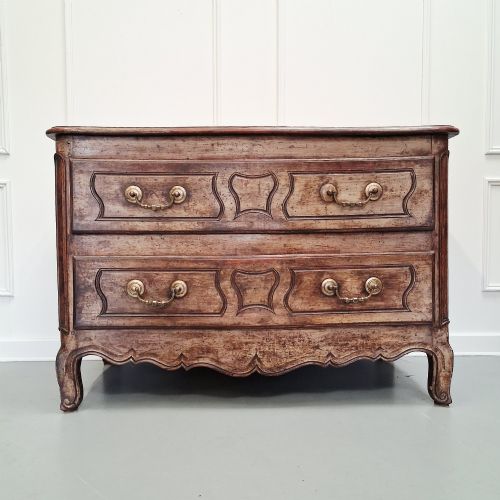
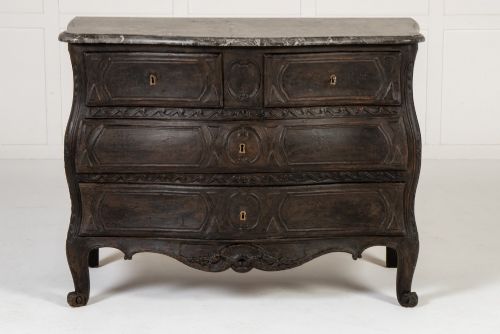
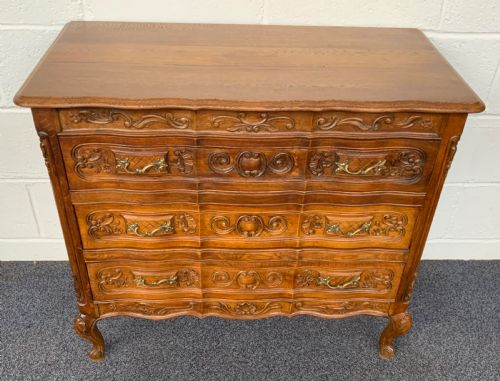
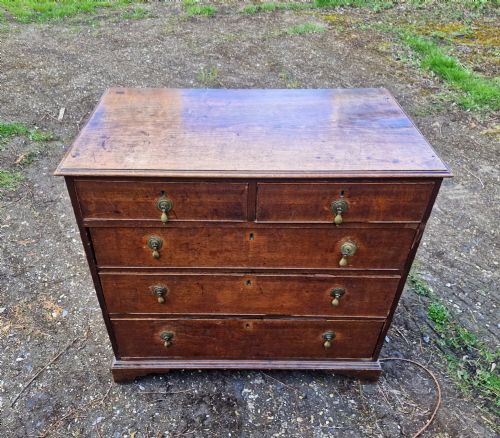
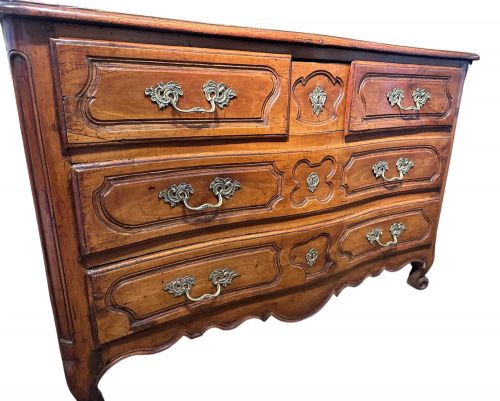
A provincial wooden commode is a low storage chest or cabinet rooted in regional traditions rather than royal court workshops. When you search for a provincial wooden commode, you encounter pieces designed for practical utility in domestic settings across various European localities.
Regional variations display distinct local character, ranging from French provincial designs to Georgian country pieces. These items often function as bedroom storage or living area cabinets, combining usefulness with regional decorative details.
Materials and construction methods
Cabinet makers utilised regional hardwoods such as walnut, oak, cherrywood, elm, and burr elm for the primary carcass and drawer construction. Timber selection depended on local availability, resulting in distinct grain patterns and colour variations across different areas.
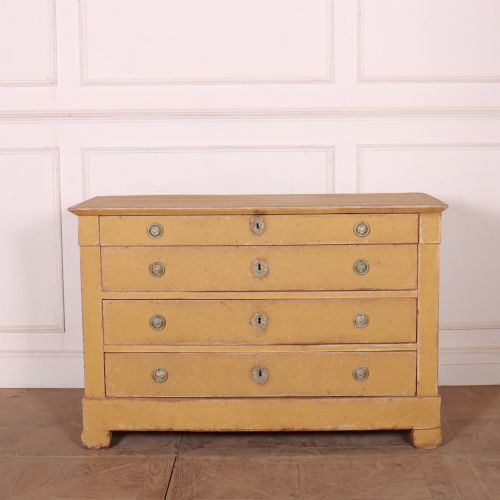
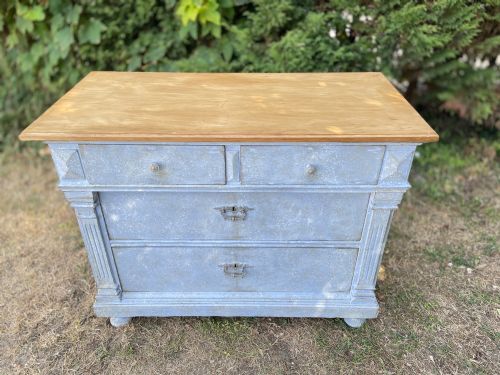
Surface treatments included polished natural wood finishes, painted decoration, ebonisation, and liming. Tops were occasionally finished in marble or fashioned to mimic marble, while brass hardware provided functional handles and key escutcheons.
Listings feature solid timber construction in oak, walnut, cherrywood, and elm, spanning the eighteenth to twentieth centuries.
Distinctions in craftsmanship and design
Quality in these pieces rests upon the joinery methods and the handling of the timber. Finely executed dovetailing in the drawers and the crispness of carved details distinguish superior regional cabinet making from simpler utilitarian items.
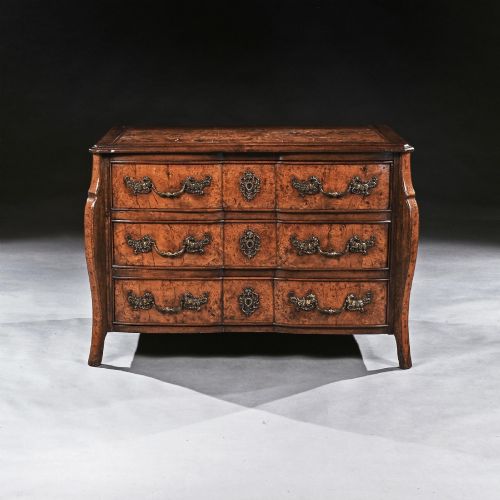
The proportion of the silhouette and the integration of serpentine or bombe contours dictate visual success. Superior examples exhibit balanced proportions and harmonious grain alignment across the drawer fronts.
The Provincial Wooden Commode Glossary
- Commode
- A low chest of drawers or cabinet. In European furniture history, the term describes a low piece containing multiple drawers.
- Bombe
- A swelling, convex contour on the front and sides of a piece. This curving profile requires advanced woodworking skill to execute properly.
- Serpentine
- A front shape curving inward centrally and outward at the ends. This undulating line appears frequently on eighteenth-century commodes.
- Provincial
- Made in regional areas outside the capital. These items reflect local tastes and available materials rather than court styles.
- Burr elm
- Timber featuring distorted grain growth patterns. Cabinet makers prized this wood for its decorative mottled appearance on drawer fronts.
Provincial Wooden Commode: Frequently Asked Questions
What is a provincial wooden commode?
A provincial wooden commode is a regional chest of drawers or storage cabinet made outside metropolitan centres. These pieces served practical domestic purposes while incorporating local aesthetic traditions.
Craftsmen utilised regionally available timbers like oak, walnut, and cherrywood to build sturdy storage furniture for everyday use.
How do I date an antique commode?
Dating relies on examining construction techniques, joinery, and stylistic markers. Eighteenth-century pieces often feature hand-cut dovetails and specific regional silhouettes like bombe or serpentine fronts.
Later nineteenth- and twentieth-century interpretations adopt earlier styles while displaying manufacturing shifts and standardised hardware.
Where were these commodes made?
These items originated in regional workshops across Europe, notably in French provinces and British country districts. Local cabinet makers supplied furniture for rural chateaux, farmhouses, and town residences.
Regional preferences dictated the choice of wood, decorative carving styles, and painted finishes applied to the carcass.
How do I care for wooden commodes?
Maintain wooden commodes by keeping them away from direct heat sources and fluctuating humidity. This prevents the timber from splitting or warping.
Apply suitable wax polish periodically to nourish the wood and preserve the surface finish without building up heavy residues.