





Provincial Wood Console
A provincial wood console brings honest utility and vernacular character to a room, shaped by local hands from regional timbers.
Provincial Wood Console
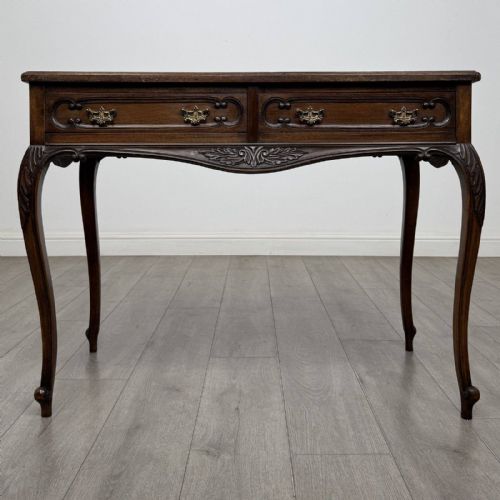
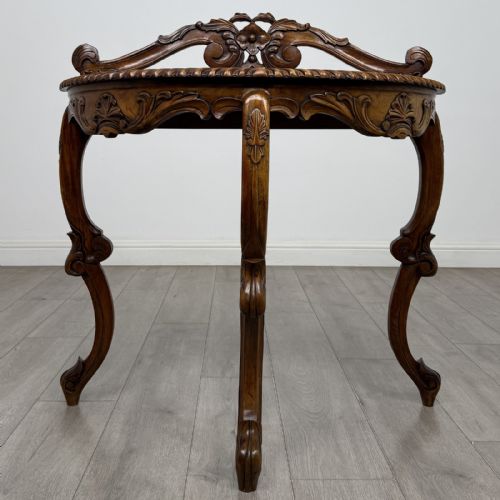
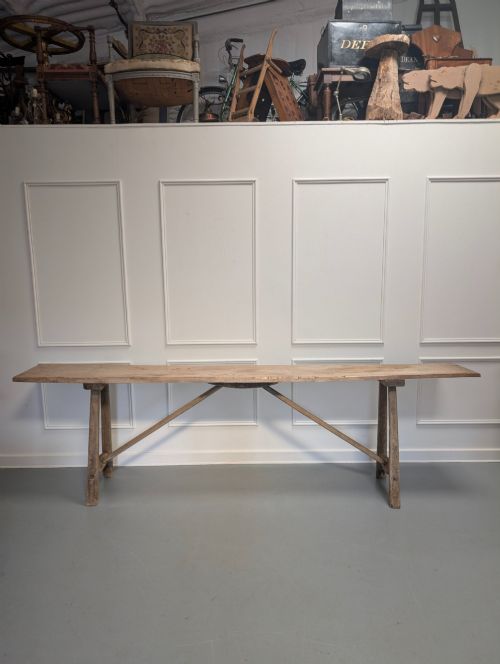
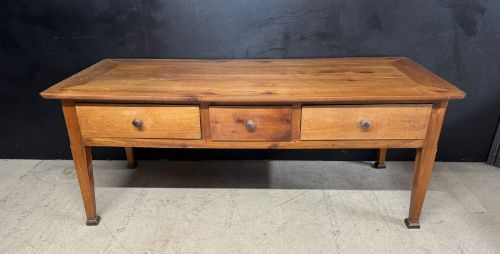
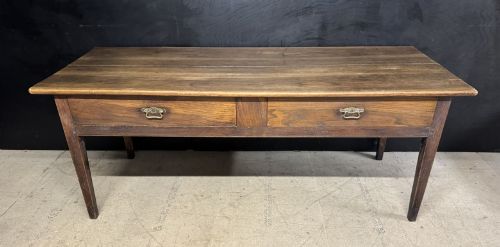
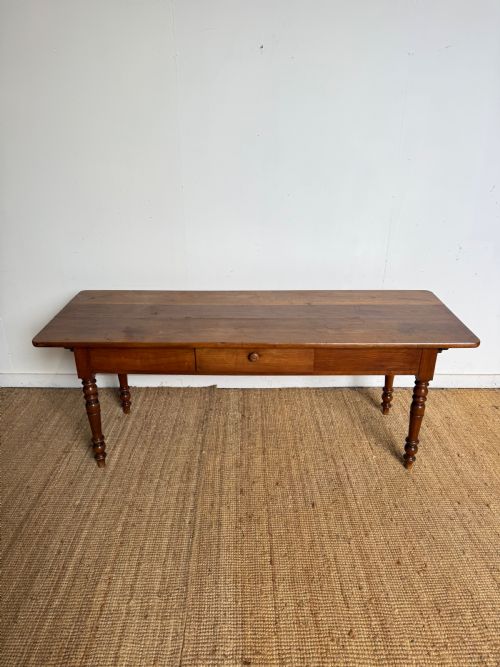
A provincial wood console encompasses utilitarian and decorative tables created outside metropolitan centres, drawing on regional traditions from France, Spain, Italy, Scandinavia, and China. When searching for a provincial wood console, buyers encounter forms ranging from simple side tables and narrow serving tables to long laundry and drapers tables.
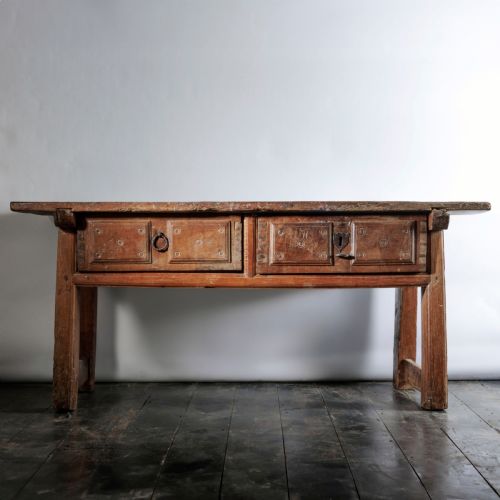
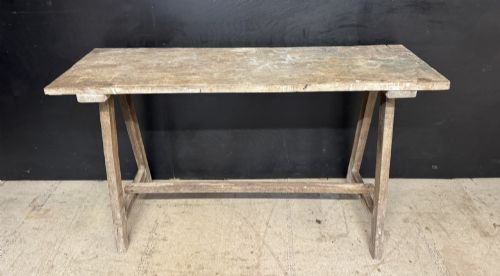
The material expression leans heavily on solid regional timbers like oak, elm, fruitwood, cherry, and pine, often shaped into trestles, pot-shelf servers, or two-drawer writing pieces. Many examples originate from the eighteenth and nineteenth centuries, carrying the marks of daily domestic or workshop use.
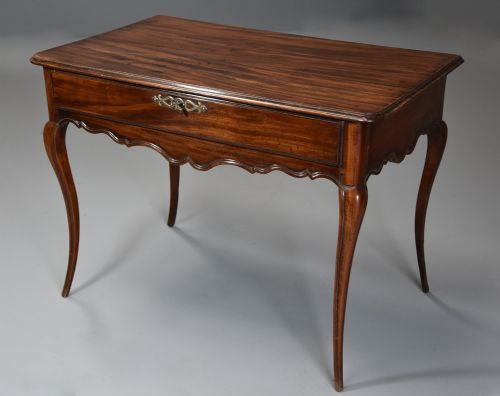
Regional variations span French country pieces, Spanish tables, and Chinese elm consoles with plank tops. These forms serve practical roles in hallways, kitchens, and living spaces as narrow consoles or surface tables.
How they were made
Local joiners utilised native hardwoods and softwoods available in their immediate region, selecting oak, elm, fruitwood, walnut, and pine for structural integrity. Timbers were often cut radially or left as thick planks for table tops, designed to withstand heavy domestic or commercial tasks.
Construction techniques rely on traditional joinery, including pegged mortise and tenon joints, hand-cut dovetails for drawers, and trestle supports. Surfaces display the tool marks of the maker, from adzed tops to hand-planed panels, occasionally finished with paint or left to develop natural patination.
Provincial Wood Console Retail Price Guide 2026
Typical asking prices for provincial wood console among the pieces listed under this phrase on Sellingantiques today, from the lower quarter to the upper quarter. They describe what is for sale here now, not the wider market.
Several workshop tables still bear the original ink stains and deep knife scars left behind by generations of hardworking artisans.
What varies in quality
The distinction between ordinary and exceptional pieces rests upon the integrity of the timber and the depth of surface patina developed through decades of handling. Tables retaining their original untreated surfaces, bleached oak finishes, or early painted coats command greater interest than those stripped down to raw, featureless wood.
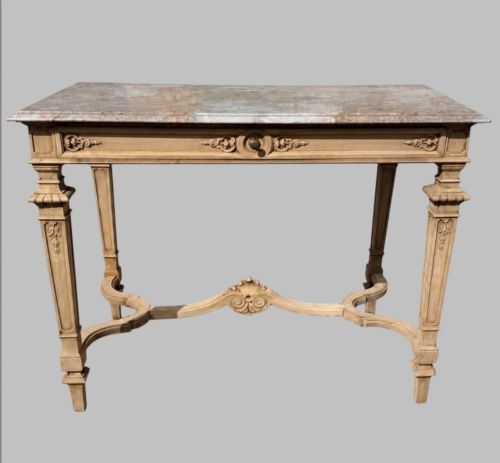
Structural proportions and regional detailing differentiate standard workaday items from finer examples with carved decoration, inset marble tops, or integrated pot-shelves and drawers. The weight and selection of solid woods, such as dense fruitwood or figured walnut, dictate the substance of each console.
The Provincial Wood Console Glossary
- Console table
- A table designed to stand against a wall, frequently secured with brackets or supported by legs at the front. These pieces serve narrow hallways and reception rooms.
- Drapers table
- A long, utilitarian table traditionally used in fabric shops for measuring cloth, characterised by generous length and sturdy timber construction.
- Pot-shelf
- An open lower shelf built into a serving table or dresser, historically utilised for storing pots and heavy kitchen utensils.
- Trestle table
- A table comprising two or more supports connected by a horizontal beam, allowing maximum legroom along the length of the top.
- Patina
- The surface sheen and colour acquired by wood through age, wear, and regular polishing with wax.
Provincial Wood Console: Frequently Asked Questions
How were these tables used?
These tables served various domestic and working purposes, from food preparation and laundry tasks to serving meals and holding lamps. Kitchens, hallways, and manor houses utilised them as stable surfaces for daily labour.
Over time, many transitioned into decorative furniture items placed against walls to display objects or anchor a room's layout.
How do I care for a wood console?
Care involves applying natural beeswax periodically to nourish the dry timber and maintain the surface patina. Avoid placing solid wood tables near direct heat sources or in fluctuating humidity to prevent timber splitting.
Use coasters and protective mats to guard the historic surface against moisture marks and staining from daily use.
How can I tell the age of a console?
Age is determined by observing construction methods, tool marks, timber shrinkage, and the nature of the surface wear. Hand-cut joinery, pegged joints, and uneven board widths typically indicate eighteenth or nineteenth-century craftsmanship.
Patina accumulation inside drawers and around frequently touched edges also provides clear evidence of long-term use.