




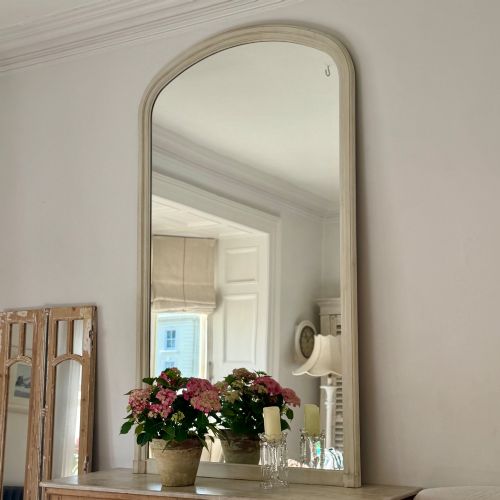


Provincial Wall Mirror
A provincial wall mirror brings unpretentious regional French character to a room through weathered paint, carved timber and aged glass.
Provincial Wall Mirror
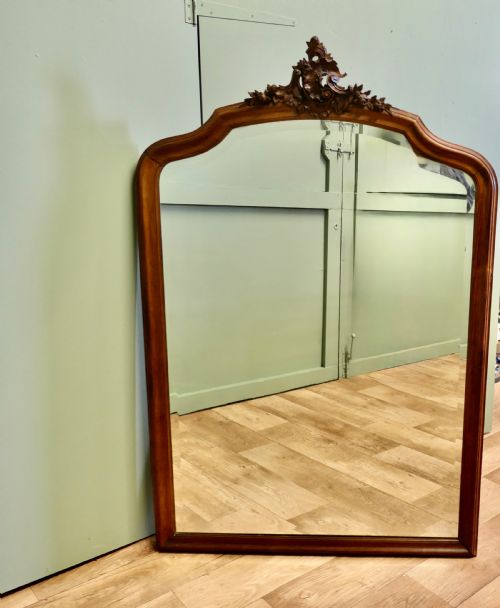
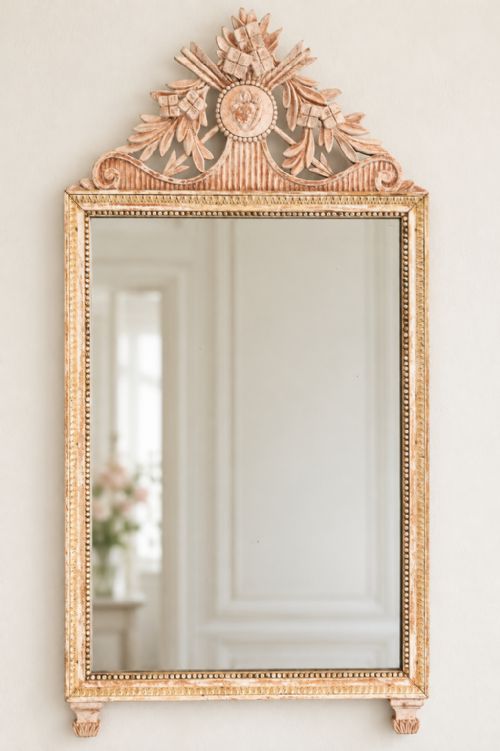
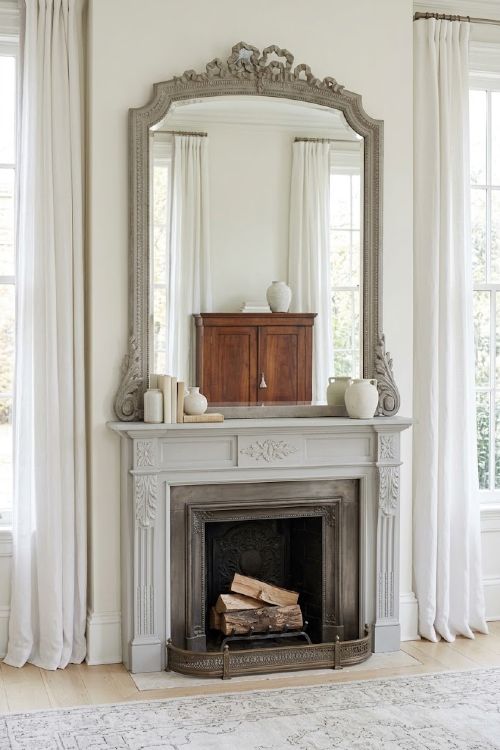
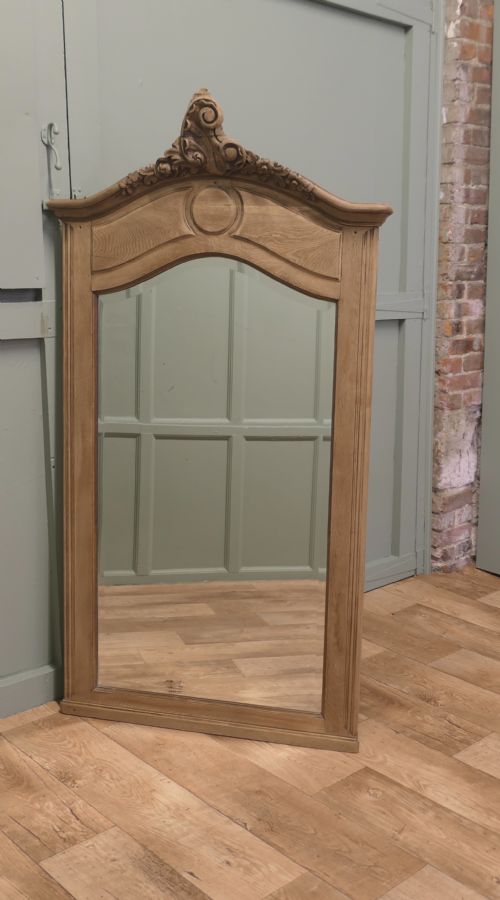
A provincial wall mirror is a domestic looking-glass originating from regional France during the nineteenth century, encompassing styles from Louis Philippe to French Country and French Rococo. These pieces typically take the form of wall mirrors, overmantel mirrors, and trumeau mirrors designed to hang in domestic interiors.
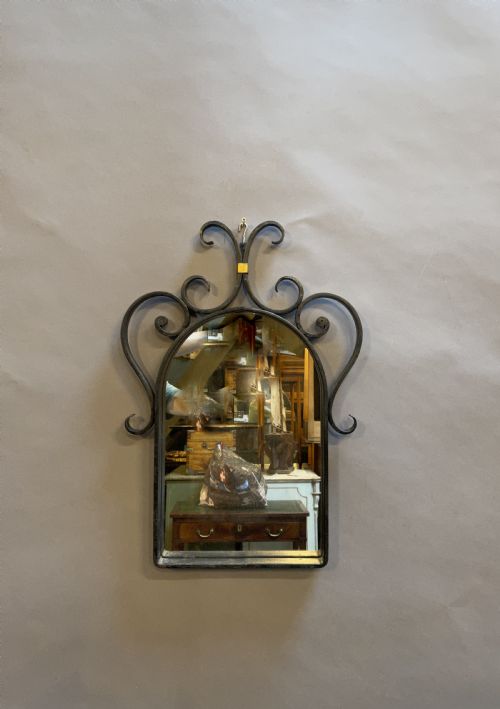
The selections available here lean heavily toward nineteenth century French production, including specific dates such as 1860, 1870, 1880, 1890, 1900, and 1920, alongside Victorian interpretations. Buyers will frequently encounter tall formats, arch tops, and cushion frames alongside carved oak, walnut, and faux bamboo examples.
Regional makers and provincial workshops produced these looking-glasses for everyday utility rather than grand court display, resulting in simpler carved ornament and relaxed proportions. They function practically to reflect light while adding textural depth to residential walls.
How they were made
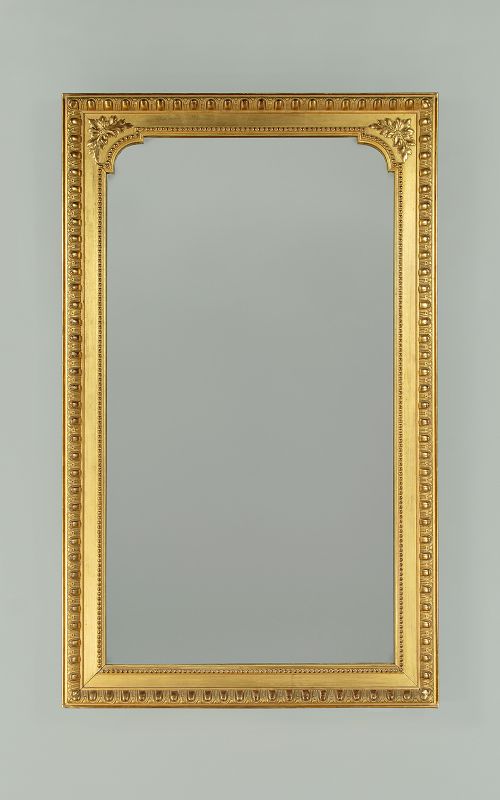
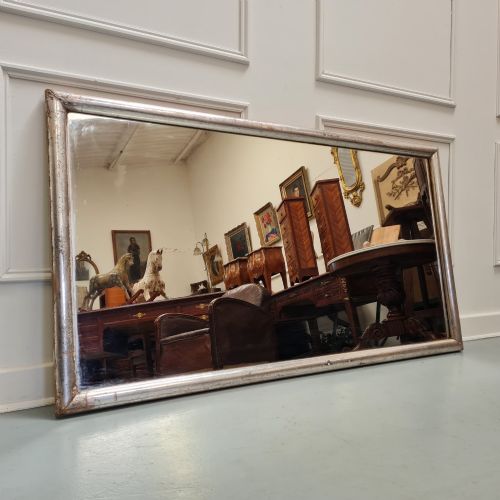
Makers constructed these frames using timber such as oak, walnut, and pine, frequently applying layers of gesso and paint to achieve finished decorative surfaces. Giltwood and silver gilt finishes appear alongside plain painted wood, bleached oak, and faux bois or faux bamboo carved details.
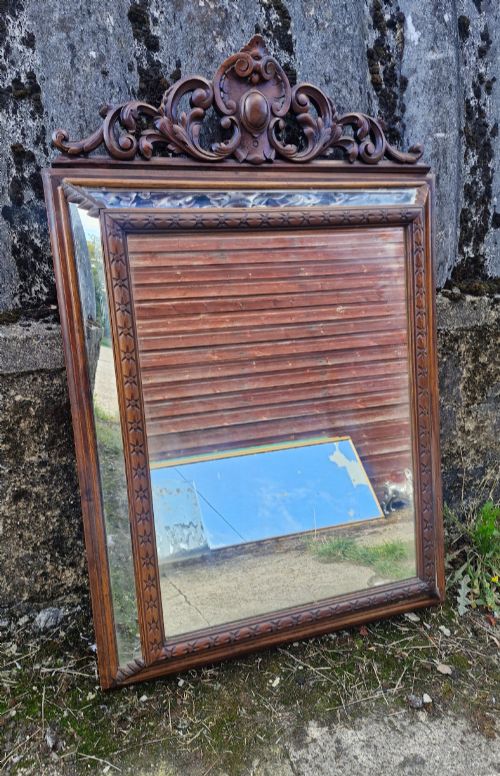
Mirror plates of the period include mercury glass and standard silvered glass, often showing natural Foxing and age spots from decades of atmospheric exposure. Frames feature hand-carved scrolling foliage, column framing, and shaped tops secured by traditional joinery methods.
Provincial Wall Mirror Retail Price Guide 2026
Typical asking prices for provincial wall mirror among the pieces listed under this phrase on Sellingantiques today, from the lower quarter to the upper quarter. They describe what is for sale here now, not the wider market.
Materials recorded across the inventory include glass, wood, gesso, paint, giltwood, and carved walnut.
What varies in quality
The distinction between tiers rests upon the crispness of the hand-carved wood and the integrity of the original gesso and paint layers. Superior examples display deeply articulated floral or scroll motifs rather than shallow, mechanical shaping.
The condition and authenticity of the mirror plate itself dictate overall quality, with original mercury glass commanding greater appreciation than later replacements. The harmony between the original frame finish, such as worn gilt or aged paint, and the underlying timber determines the piece's decorative success.
The Provincial Wall Mirror Glossary
- Trumeau mirror
- A decorative mirror integrated into a wooden wall panel or overmantel, often featuring painted scenes or carved woodwork above the glass plate.
- Overmantel mirror
- A large mirror specifically designed to hang above a fireplace mantelpiece, frequently wide in proportion to suit the hearth below.
- Gesso
- A plaster-like material applied to wooden frames to provide a smooth base for gilding and paint applications.
- Faux bamboo
- Wood carved and painted to imitate natural bamboo stalks, a popular decorative motif during the nineteenth century.
- Mercury glass
- An early type of mirror glass created by pouring a mercury and tin amalgam behind the glass pane, identifiable by its mottled dark spots and soft reflectivity.
Provincial Wall Mirror: Frequently Asked Questions
Where should I hang a provincial wall mirror?
These mirrors work effectively above fireplaces as overmantel pieces, in hallways, or hung low over console tables to bounce natural light around a room.
Ensure the wall structure can support the weight of timber and gesso frames, particularly for larger nineteenth-century examples.
How do I clean an antique mirror plate?
Use a dry microfiber cloth to gently remove dust from the glass and frame without disturbing delicate or flaking paint surfaces.
Avoid commercial liquid glass cleaners, as moisture can seep behind the aged silvering or mercury backing and accelerate degradation.
What is the difference between French provincial and Louis Philippe styles?
French provincial mirrors tend to feature rustic carved timber, whimsical scrollwork, and relaxed regional interpretations of formal court designs.
Louis Philippe mirrors are characterised by their simpler architectural lines, rounded upper corners, and restrained beaded or gilt framing.
Are the mirror plates original?
Many nineteenth-century pieces retain their original glass, which often exhibits characteristic foxing, cloudiness, and minor silver loss.
Some mirrors have received replacement plates over their long lifespans to improve reflectivity for daily domestic use.