



Provincial Display Cabinet
A provincial display cabinet brings rustic regional character and glazed storage into a room, offering a practical way to house books and porcelain.
Provincial Display Cabinet
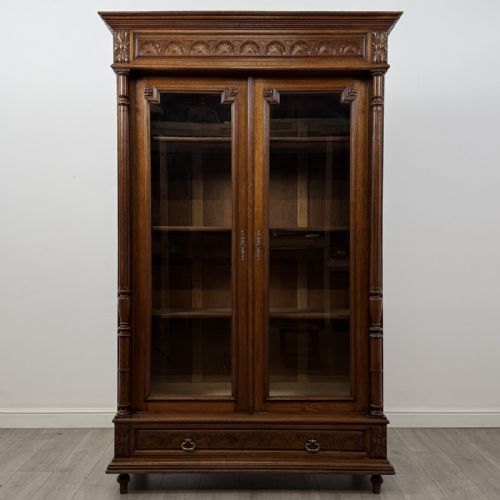
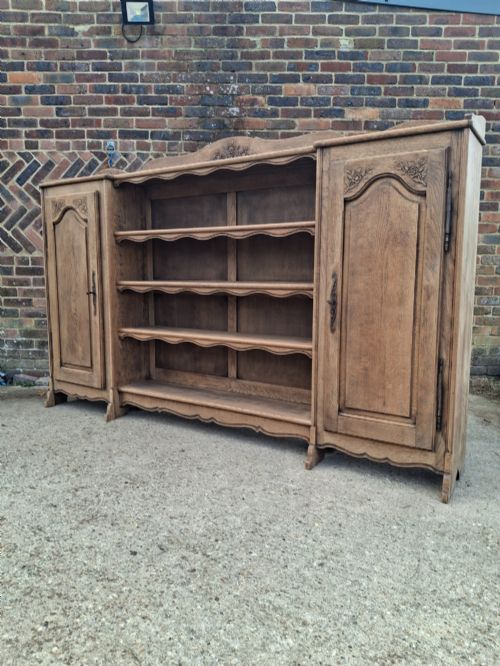
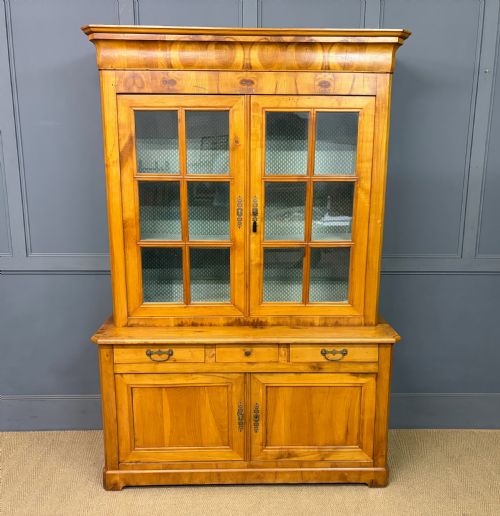
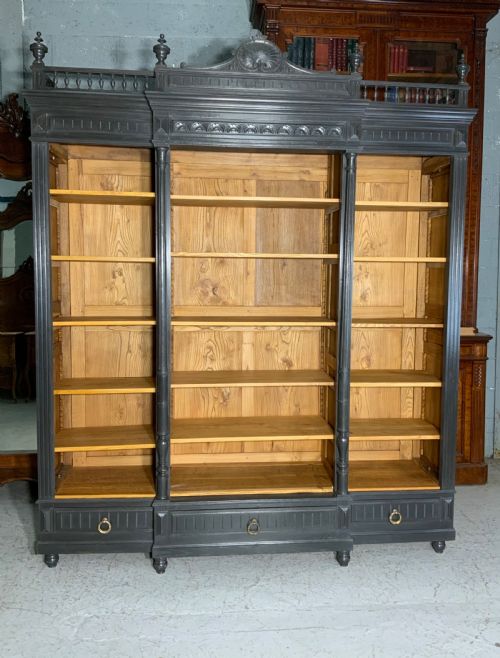
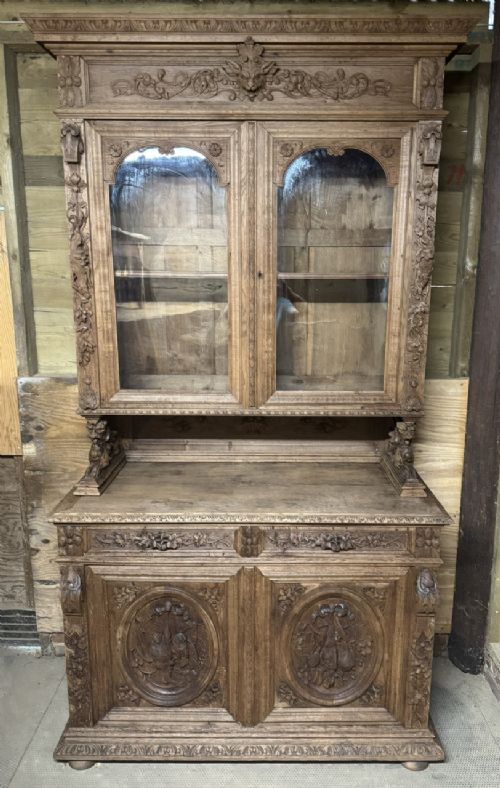
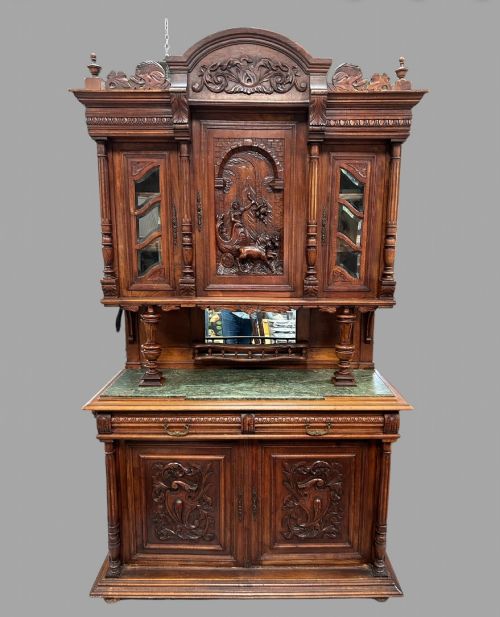
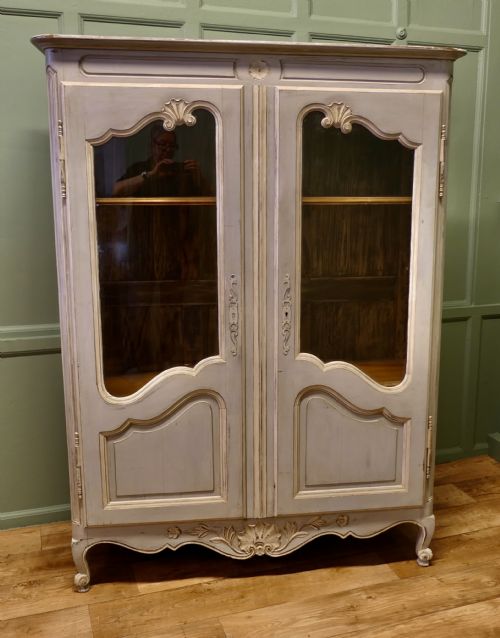
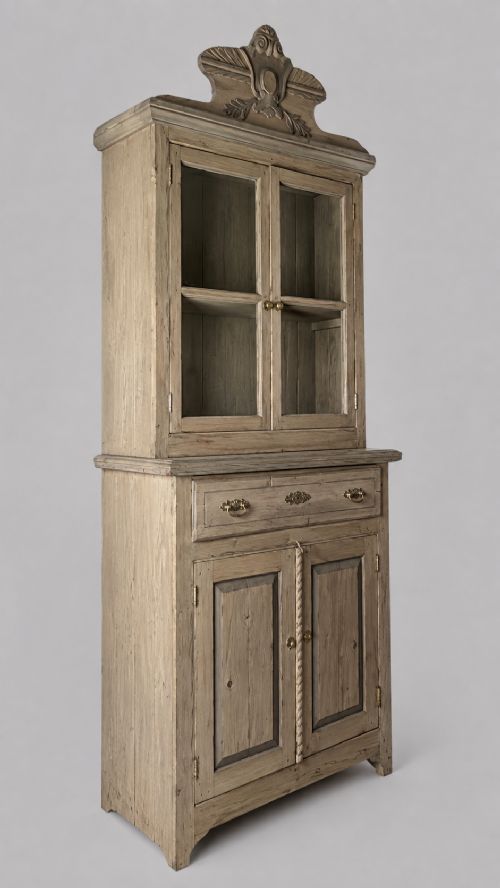
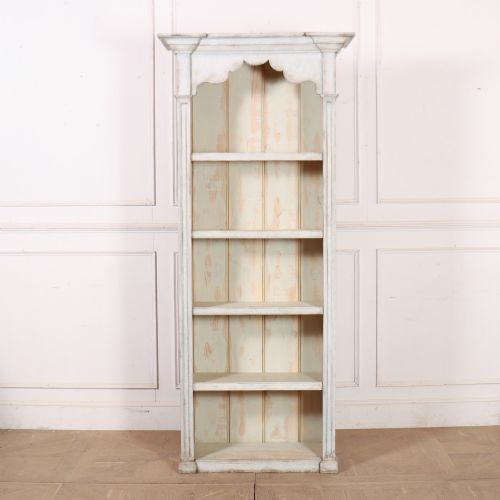
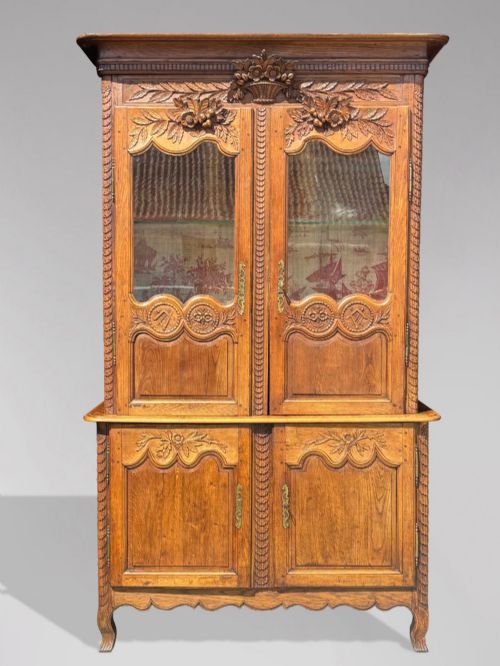
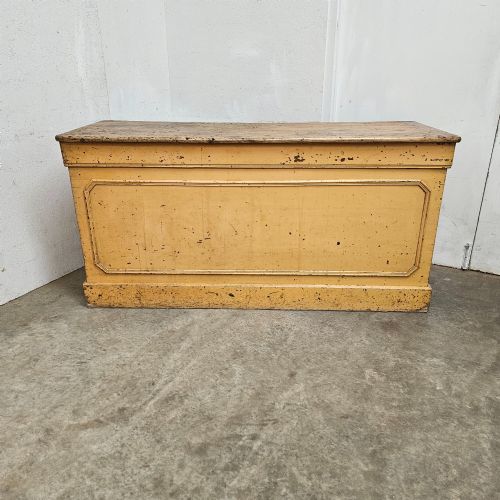
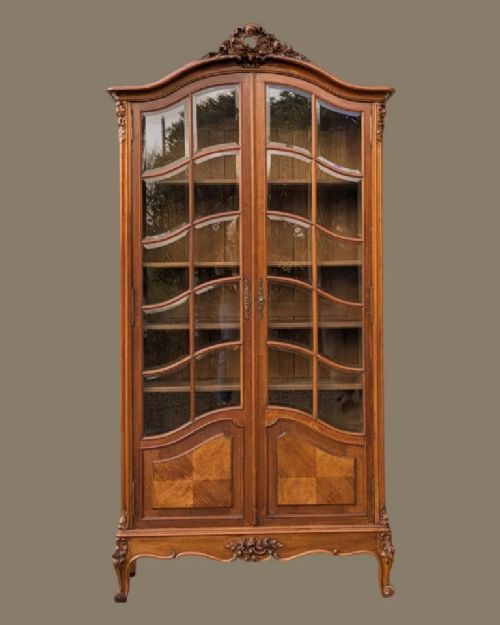
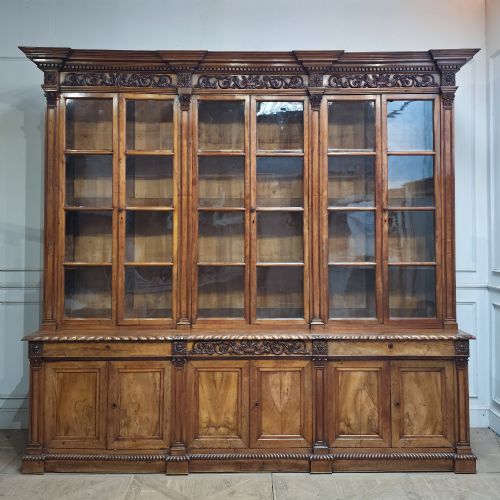
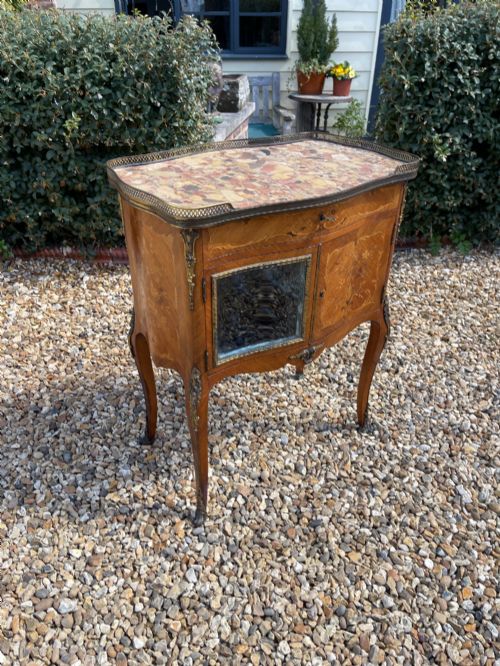
A provincial display cabinet encompasses regional storage furniture built to showcase and protect objects, most frequently appearing in French and English country styles. These pieces range from tall library bookcases and double-door vitrines to kitchen dressers, glazed cupboards, and shop counters spanning the eighteenth and nineteenth centuries.
The regional maker working outside the capital relied on local timber reserves, producing substantial oak, walnut, cherrywood, chestnut, and pine carcases. The resulting forms prioritised utility and local aesthetic traditions, combining enclosed lower cupboards with upper glazed display sections.
Surviving examples reflect domestic and commercial life across European provinces, featuring hand-carved details, painted surfaces, and practical shelving configurations. Buyers encounter pieces from eighteenth-century buffet deux corps to Victorian and early twentieth-century vitrines designed for everyday use.
Materials and Construction
Cabinet makers constructed these regional pieces using solid regional hardwoods like oak, walnut, and cherry, alongside softer pine for secondary framing. Timber selection depended on local availability, resulting in robust dovetail joints, pegged framing, and panelled doors built to withstand generations of domestic service.
Glazing required delicate muntins and leaded or secured glass panes to enclose the upper display areas safely. Workshops finished surfaces with traditional methods, leaving timber bare, applying wax, or coating the exterior in layers of paint that often show original wear.
Provincial Display Cabinet Retail Price Guide 2026
Typical asking prices for provincial display cabinet among the pieces listed under this phrase on Sellingantiques today, from the lower quarter to the upper quarter. They describe what is for sale here now, not the wider market.
One unexpected survivor preserves handwritten wine shipping notes on its glass, recording the historic vineyards of Chateauneuf-du-Pape.
Assessment of Quality
Superior quality in a provincial display cabinet rests upon the integrity of the timber selection and the restraint of the carving. Master craftsmen balanced structural heft with refined proportions, ensuring doors hung true and cornices maintained harmonious lines without clumsy additions.
Original surface treatments dictate much of the character, distinguishing untouched aged patinas and authentic historic paint from later decorative interventions. The finesse of the hand-carved mouldings and the clarity of the original glass panes further separate standard utility furniture from exceptional provincial examples.
The Provincial Display Cabinet Glossary
- Vitrine
- A glass-fronted cabinet designed specifically for displaying porcelain, curiosities, and objects of interest. These cases feature full glass doors or glazed sides to maximise light penetration.
- Buffet deux corps
- A large two-piece storage unit comprising a lower cupboard base surmounted by a matching upper cabinet. This architectural form provides substantial capacity for household provisions and tableware.
- Vaisseleiere
- A traditional regional cupboard or dresser form intended for holding and displaying plates and crockery. The open or glazed upper tiers allow ceramic collections to face outward.
- Etagere
- An open piece of furniture consisting of a series of tiers or shelves supported by columns or legs. It serves to hold decorative items and books within easy reach.
- Patina
- The surface sheen and colour developed by wood and paint over decades of handling, cleaning, and exposure to light. This visual depth indicates genuine age and history.
Provincial Display Cabinet: Frequently Asked Questions
Where were provincial cabinets made?
Makers constructed these cabinets in regional workshops across rural France, England, and Northern Europe. Carpenters utilised local timber supplies rather than exotic imported woods.
Designs followed local vernacular traditions, resulting in robust proportions and regional decorative motifs that differed significantly from metropolitan fashions.
How do I clean a painted cabinet?
Dust the surface regularly with a soft, dry cloth to prevent dirt accumulation on historic paint or waxed timber. Avoid harsh modern chemical cleaners that strip aged finishes.
If necessary, use a slightly damp cloth with mild soap, drying the area immediately to protect the wood underneath.
Can shelves be adjusted easily?
Many older cabinets feature fixed wooden shelving integral to the original carcase construction. Later pieces may incorporate simple wooden support battens or modern adjustable tracks.
Buyers should examine the interior layout carefully to determine whether shelf heights can accommodate larger books or tall ceramic vessels.
What timber was used most often?
Oak and walnut predominate among surviving eighteenth and nineteenth-century regional cabinets. Cherrywood, chestnut, and pine also appear frequently depending on the geographic origin.
Makers selected these local woods for their structural strength and availability in surrounding forests and agricultural estates.