







Provincial Dining Benches
Provincial dining benches bring honest country utility to modern rooms, offering robust seating shaped by regional traditions.
Provincial Dining Benches
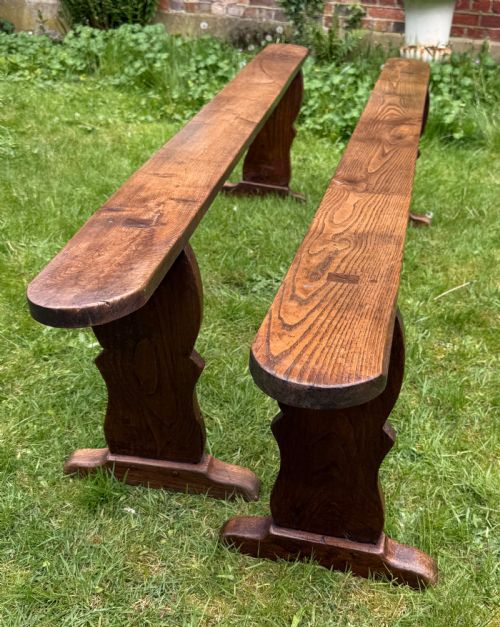
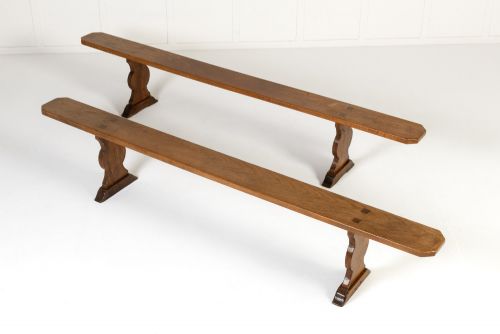
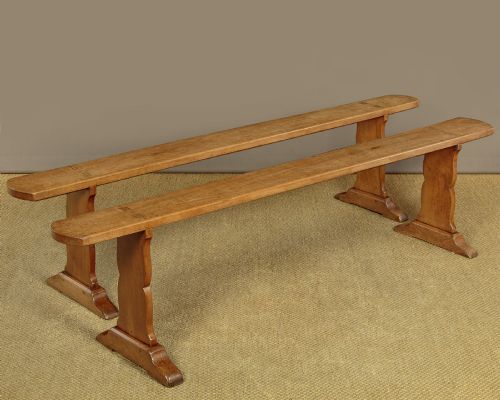
Provincial dining benches are solid timber seating forms rooted in rural domestic and utilitarian life, frequently appearing in pairs or long formats. When you search for provincial dining benches, you encounter hardworking seating designed for communal farmhouse meals and daily household chores.
The pieces listed here span the eighteenth and nineteenth centuries, taking inspiration from French provincial, French country, rustic country, and Georgian traditions. Elm, oak, cherrywood, sycamore, and fruitwood dominate the forms, reflecting local woodland resources available to regional makers.
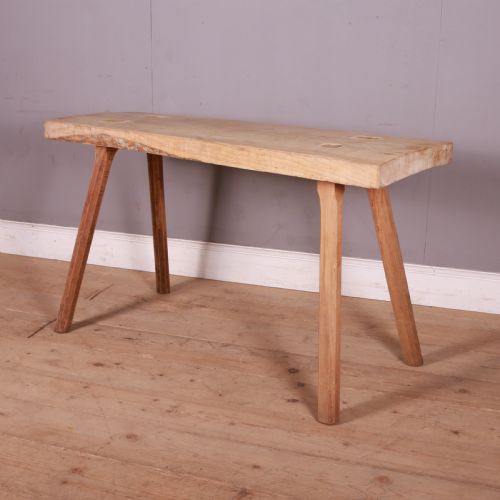
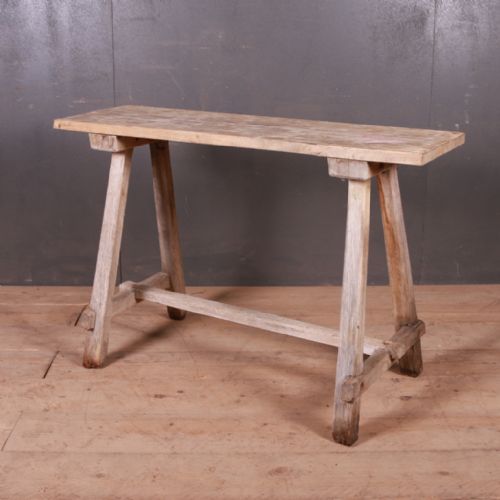
Most examples hail from French country workshops, though British institutional pieces like an oak bench from Bishopthorpe Palace also appear. Alongside dedicated benches, the selection includes related trestle and prep tables that share the same utilitarian DNA.
How they were made
These benches rely entirely on solid hardwoods and fruitwoods like oak, elm, cherrywood, and sycamore, selected for structural endurance under heavy daily use. Makers utilised local timber planks for tops and underframes, joining them with traditional pegged or wedged construction rather than metal fixings.
Surfaces often show the marks of hand-scrubbing or simple plane work, leaving the grain exposed without heavy modern varnishes. Construction is straightforward and robust, prioritising functional stability over decorative flourish.
Provincial Dining Benches Retail Price Guide 2026
Typical asking prices for provincial dining benches among the pieces listed under this phrase on Sellingantiques today, from the lower quarter to the upper quarter. They describe what is for sale here now, not the wider market.
One historical oak bench arrived straight from Bishopthorpe Palace in York, proving that even bishops appreciated a solid place to sit.
What varies in quality
Quality in these benches rests on the integrity of the timber selection and the honesty of the construction. Superior examples display dense, well-figured fruitwoods or mature oak with minimal restorative intervention, whereas lesser pieces rely on softer pine or extensive timber replacement.
Proportion and stance separate ordinary seating from exceptional regional finds. A well-balanced frame with original scrubbed surfaces commands greater appreciation than a heavily sanded or altered alternative.
The Provincial Dining Benches Glossary
- Fruitwood
- Timber sourced from fruit-bearing trees such as cherry or apple, prized for its tight grain and warm tone. It was widely used in regional cabinetmaking.
- Trestle
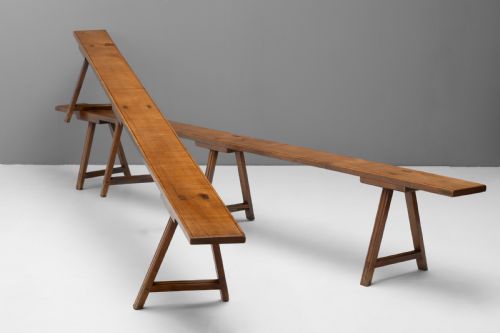
- A structural support consisting of a horizontal beam bridged by two pairs of sloping legs. This form allows maximum legroom along the length of a bench or table.
- Scrubbed
- A surface finish achieved by vigorous washing and scouring, removing old grime to leave pale, clean bare timber. This finish is typical of utilitarian country work tables and benches.
- Hardwood
- Timber derived from broadleaved angiosperm trees, offering superior density and strength compared to softwood. Oak, elm, and cherry fall into this category.
Provincial Dining Benches: Frequently Asked Questions
Are these benches comfortable for long meals?
These benches were built for practicality rather than cushioned lounging, relying on solid timber forms shaped to support upright posture during communal gatherings.
Adding loose squabs or sheepskins helps soften the seating surface for extended dining use.
How do I care for scrubbed timber?
Scrubbed timber benefits from simple dry dusting and occasional cleaning with a damp cloth rather than heavy wax applications. Keeping the bare wood free from moisture preserves the pale, historic finish.
Spills should be wiped promptly to prevent staining the untreated grain.
Can I mix these benches with modern tables?
The restrained lines and warm organic grain of country benches allow them to pair naturally with contemporary dining tables. Their neutral presence bridges the gap between antique character and modern interior schemes.
Matching timber tones is less important than balancing the overall scale of the seating against the table.
How do I identify French provincial pieces?
French provincial furniture typically employs local fruitwoods and regional construction methods that prioritize function over courtly ornament. Subtle details in the leg turnings and timber selection point to specific French crafting traditions.
Comparing the wood species to known regional outputs helps confirm the geographic origin.