

Provincial Cabinet
A provincial cabinet brings robust rural craftsmanship and practical storage to a room, offering regional character through timeworn timber and simple ironwork.
Provincial Cabinet
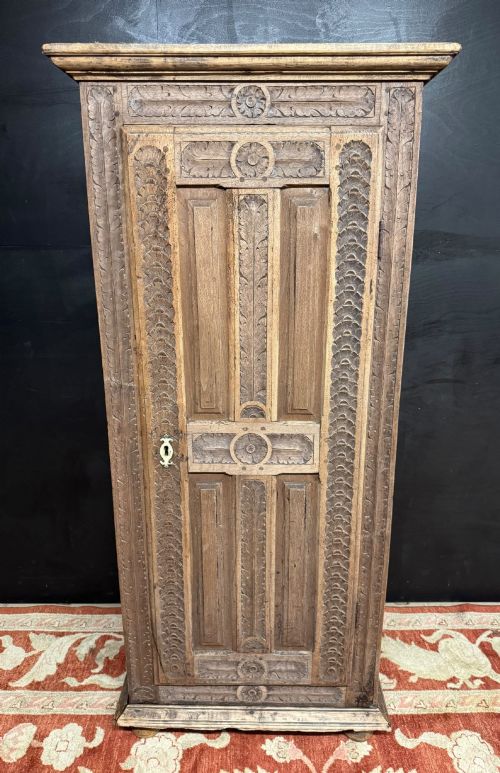
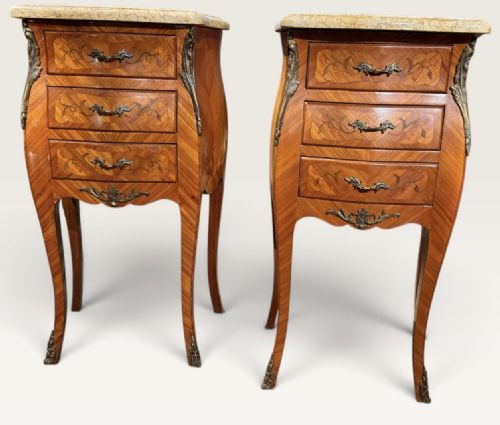
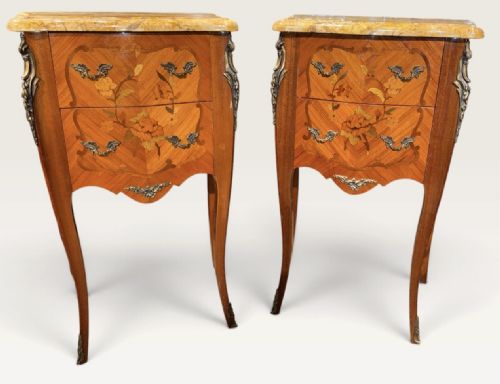
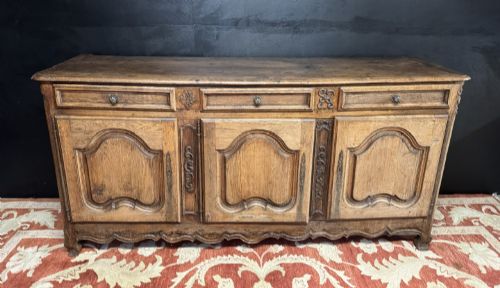
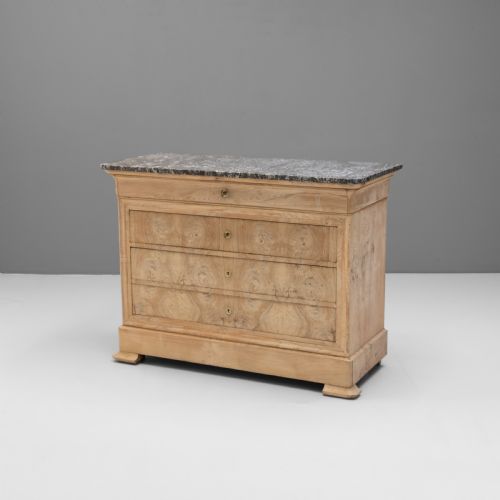
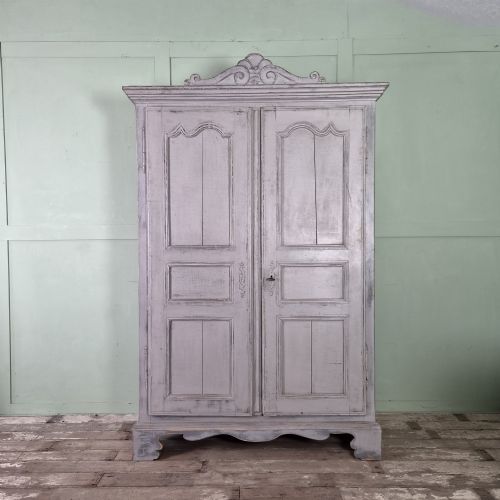
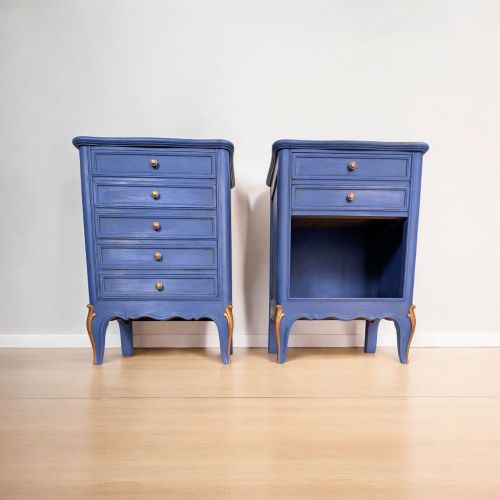
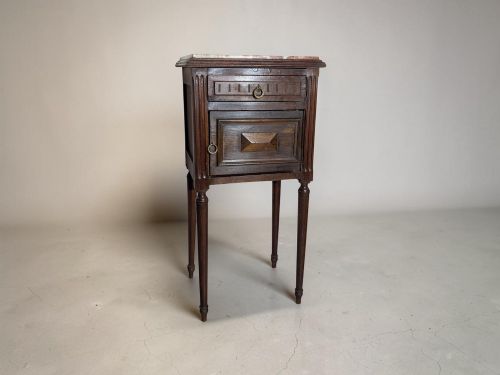
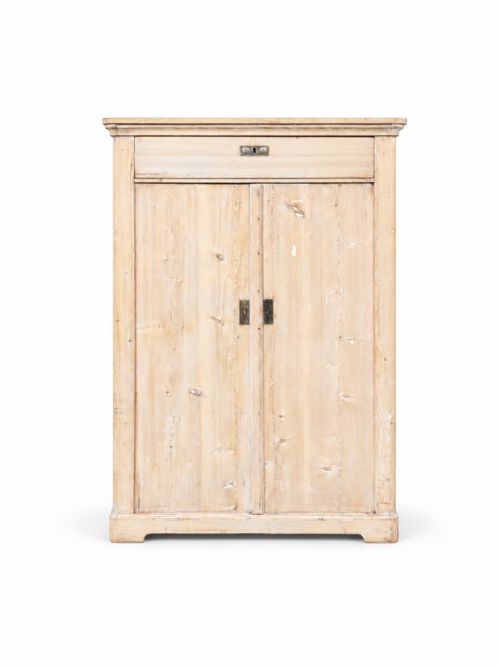
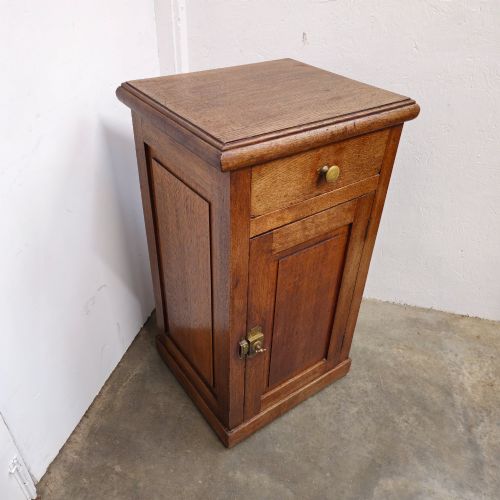
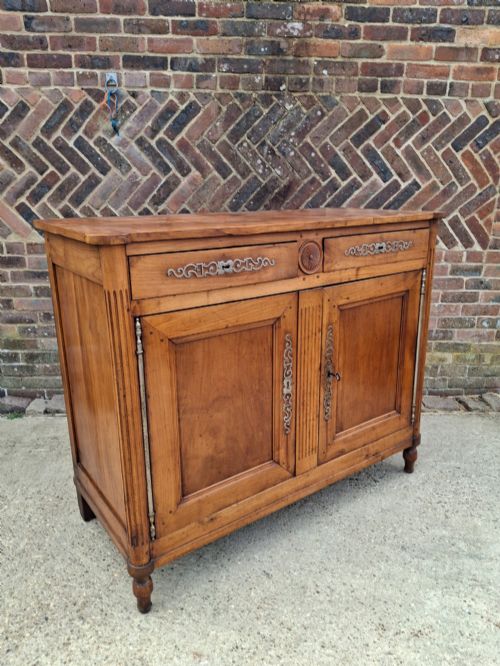
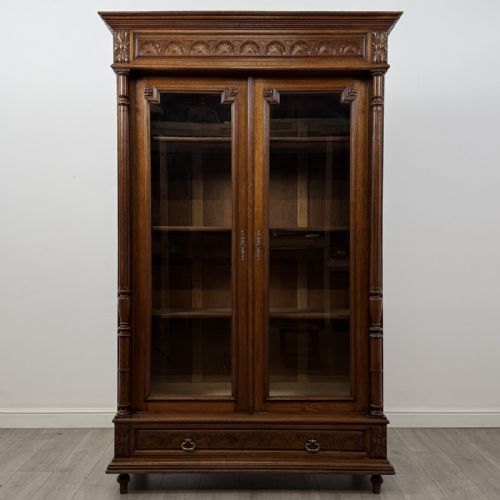
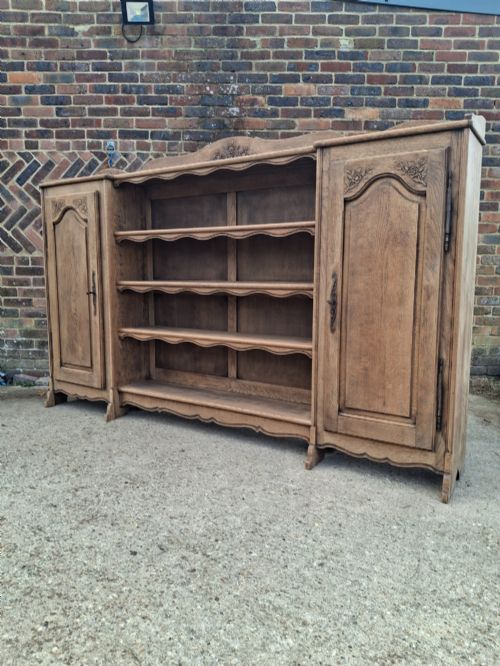
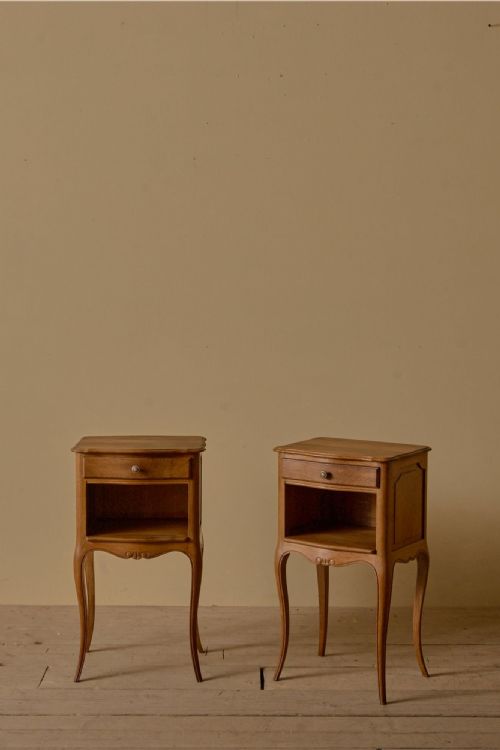
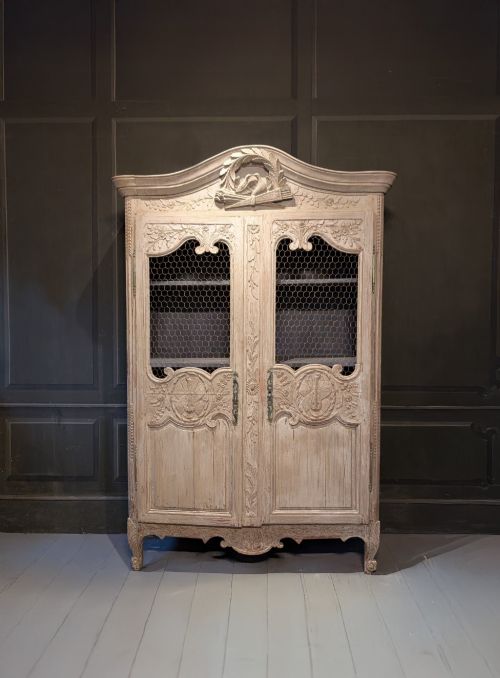
A provincial cabinet encompasses practical storage forms created outside major metropolitan workshops, reflecting local traditions and domestic needs across the 18th, 19th, and early 20th centuries. These utilitarian items range from small bedside tables and hanging corner cupboards to large sideboards, armoires, and two-part buffets.
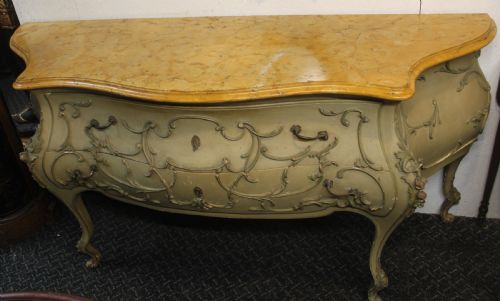
The provincial cabinet most commonly encountered on this page originates from French regional workshops, often constructed in oak, walnut, or cherry wood. Many examples exhibit regional stylistic touches such as cabriole legs, carved panels, or marble tops.
Buyers also encounter specialised regional forms such as panetières for bread storage, dough bins, and lavabo cabinets complete with pewter cisterns. These diverse items share a sturdier, less formal construction than court furniture, built for everyday use in country houses and farmhouses.
How they were made
Makers constructed these regional items using solid timbers typical of their locality, relying heavily on oak, walnut, cherry wood, and chestnut. Boards were joined with sturdy mortise and tenon joinery to withstand daily domestic wear.
Surfaces were frequently shaped by hand, featuring fielded panels, pegged frames, and hand-turned legs. Iron hinges and latches, alongside cast brass handles, provided functional hardware while marquetry inlay occasionally decorated finer regional pieces.
Provincial Cabinet Retail Price Guide 2026
Typical asking prices for provincial cabinet among the pieces listed under this phrase on Sellingantiques today, from the lower quarter to the upper quarter. They describe what is for sale here now, not the wider market.
Listings feature regional pieces spanning the 18th, 19th, and early 20th centuries, constructed primarily from oak, walnut, and cherry wood.
What varies in quality
Quality rests upon the integrity of the original timber and the depth of regional carving rather than mere age. Pieces retaining their original hardware, uncompromised pegged joints, and untouched surface patination command greater appreciation.
Proportion and regional authenticity separate standard utility items from superior regional examples. Finer pieces demonstrate balanced proportions and deliberate placement of decorative elements such as marquetry or carved cherubs.
The Provincial Cabinet Glossary
- Panetiere
- A traditional freestanding or hanging wooden food cupboard designed for storing bread, often featuring turned spindles for ventilation. These French regional items allowed air circulation to keep loaves fresh.
- Buffet deux corps
- A large two-part storage cabinet comprising a lower sideboard base surmounted by a matching upper cupboard section. This substantial form served as principal dining room storage in French provincial houses.
- Marquetry
- The art of applying decorative pieces of veneer to a structure to form geometric or floral designs. Artisans used various tinted woods to create contrasting surface patterns on doors and tabletops.
- Cabriole leg
- A furniture leg that curves out and then tapers inward, inspired by the shape of an animal's leg. This stylistic feature appears frequently on 18th century and revival bedside tables.
- Enfilade
- A long sideboard or buffet featuring three or more cabinet doors in a single horizontal line. These large storage units originated in French dining rooms for serving food and storing tableware.
Provincial Cabinet: Frequently Asked Questions
Where were provincial cabinets used?
These storage pieces served utilitarian functions in rural homes, farmhouses, and provincial dwellings across Europe. They were placed in kitchens, bedrooms, and dining areas to store provisions, linens, and tableware.
Over time, their sturdy construction and regional charm made them suitable for everyday placement in modern living spaces as focal storage points.
How do I care for antique timber?
Maintain wooden surfaces by keeping them away from direct heat sources and sudden temperature fluctuations that cause wood to split. Regular dusting with a dry cloth preserves the natural finish without damaging the patina.
Applying a traditional beeswax polish occasionally helps nourish older oak, walnut, and cherry timbers while maintaining their natural lustre.
Are marble tops original?
Many bedside tables and sideboards feature fitted marble tops added to protect the wooden surface from water and daily use. These stone slabs range from plain white marble to coloured varieties complementing the wood.
Checking the fit against the wooden frame helps determine whether the top belongs to the original construction period.
How do I distinguish regional styles?
Regional styles differ through distinct local woodworking traditions, favored woods, and carving motifs. For example, Normandy pieces often display specific structural proportions and panel details not found in other areas.
Observing the joinery style and hardware provides clues regarding the specific geographic origin of an individual piece.