


Profile Silhouette Painting
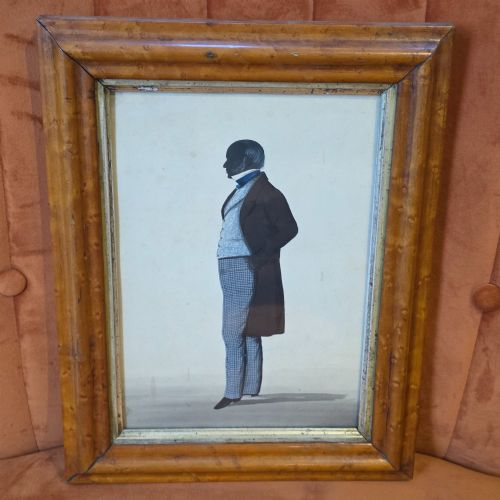
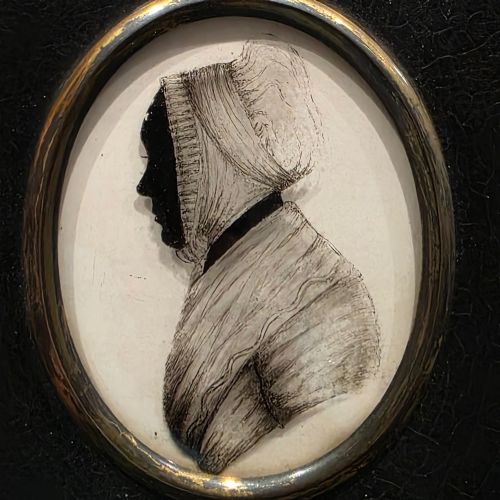
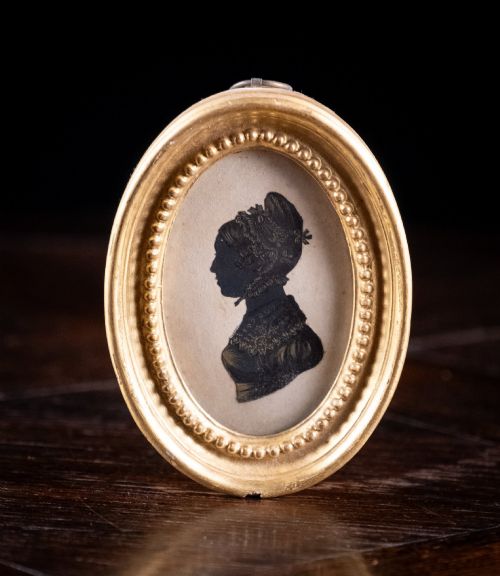
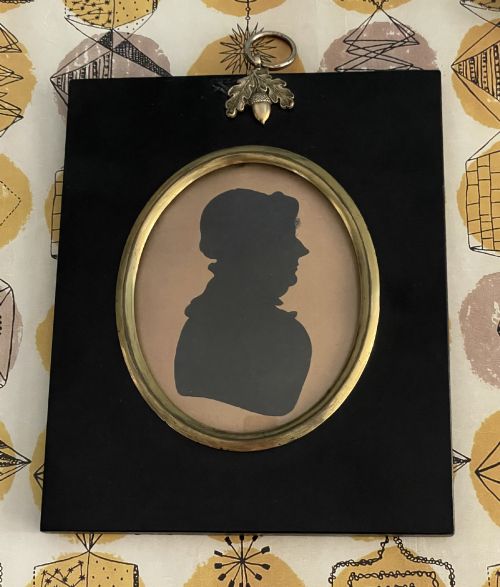
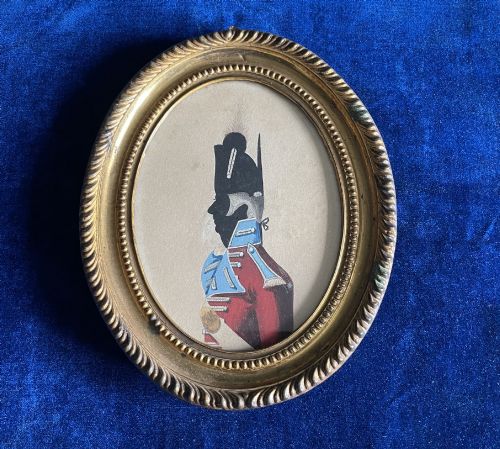
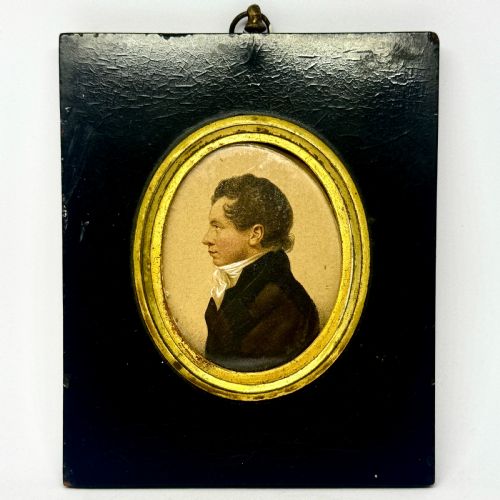
These profile silhouette painting works capture the likeness of figures through precise shadow and line, offering an intimate glimpse into past centuries.
Profile Silhouette Painting
A profile silhouette painting presents the likeness of a sitter in strict outline, often enhanced with delicate brushwork or gilded highlights upon glass and paper. When you search for this phrase, you encounter works ranging from austere Georgian examples to more ornate Victorian interpretations.
The pieces on this page span the 18th century, the Regency period, and the Victorian era, utilising formats such as framed wall art, portrait miniatures, and pendant jewellery. Most commonly, you meet framed portraits depicting gentlemen, ladies, and family groups executed with meticulous skill.
How They Were Made
Artists created these works using ink, watercolour, and paint applied directly to paper, plaster, or the reverse side of glass. Glass pieces required reverse painting, where the fine details and dark pigments were laid down first so the image appeared correctly through the pane.
Makers housed these delicate works within wooden frames made of maple or rosewood, frequently incorporating brass fittings and gold leaf accents to frame the miniature subject.
The listings show works spanning the 18th century, the Regency period, and the Victorian era, utilising glass, paper, brass, and wood.
What Varies in Quality
Provenance and documentation influence the standing of a piece, particularly when a signature from a known practitioner or a documented sitter accompanies the artwork.
John Miers·J. Deacon·John Smith of Edinburgh·James Gillespie
The Profile Silhouette Painting Glossary
- Reverse painting
- A technique where the artist paints directly onto the back of a glass sheet, ensuring the finished image is viewed through the transparent front. This method protects the pigment from dust and fading.
- Portrait miniature
- A small-scale painting designed for private contemplation or personal wear, often housed in a locket, pendant, or small desk frame. These works demand exceptional miniature brush control.
- Gilded silhouette
- A dark profile enhanced with applied gold leaf to delineate hair texture, clothing details, or jewellery. This adds luminous contrast to the monochromatic shadow.
- Silhouette portrait
- An image showing the outline of a person's profile, typically filled in with solid black pigment. The form relies entirely on contour for recognition.
Profile Silhouette Painting: Frequently Asked Questions
How do I hang a silhouette?
Display these framed works away from direct sunlight to protect the fragile paper, ink, and watercolour pigments from fading over time.
Group smaller portrait miniatures together on a wall at eye level to create a traditional gallery arrangement.
Are silhouettes dated?
Many pieces bear contemporary inscriptions on the reverse, recording the name of the sitter, the date, and occasionally the maker.
Stylistic cues in the clothing, hair styling, and framing materials also help determine whether a piece belongs to the Georgian or Victorian era.
What materials were used?
The primary components include paper, glass, plaster, and card, often mounted within wooden frames made of maple or rosewood.
Artists applied dark ink, watercolour, and paint, frequently supplementing the dark profile with delicate gold leaf highlights.