



Primitive Pine Seating
Primitive pine seating brings honest utility and robust character into a room, offering everyday benches, stools, armchairs and settles shaped by rural hands.
Primitive Pine Seating
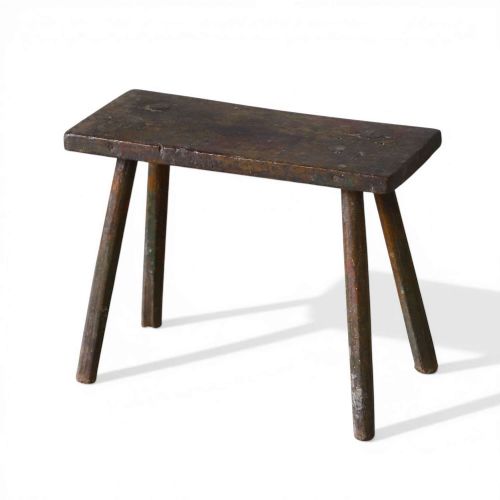
When you search for primitive pine seating, you encounter unpretentious rural furniture built for daily work and domestic life rather than formal salons. These items span benches, stools, armchairs, garden benches, side chairs, accent chairs and settles.
The versions you are most likely to meet on this page hail from the nineteenth century or the Edwardian era, alongside notable Georgian examples and earlier forms. Their origins stretch across England, Eastern Europe and Scandinavia.
Makers in these rural traditions favoured straightforward construction, producing durable seating that relies on solid timber boards and simple joinery. Each piece carries the distinct imprint of regional vernacular design.
Materials and construction methods
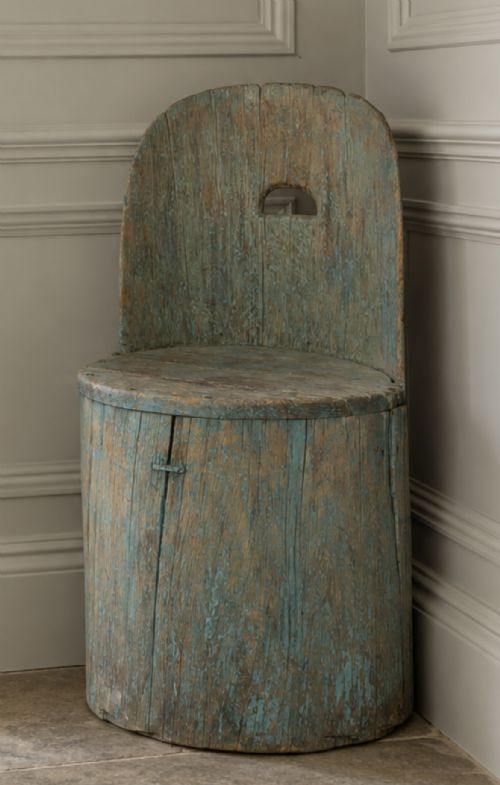
Makers constructed these pieces using solid pine, timber and wood, often hollowing out single logs to form dug out chairs with organic contours. Simple pegged joints and stout boards provided the necessary strength for heavy daily use.
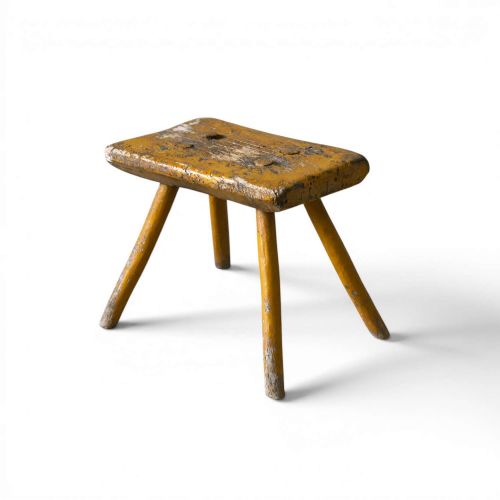
Surfaces frequently retain original paint finishes, including ochre and green, or display weathered wood and wax treatments acquired over decades of service. Iron fastenings and braces occasionally appear to reinforce high-stress joints.
Primitive Pine Seating Retail Price Guide 2026
Typical asking prices for primitive pine seating among the pieces listed under this phrase on Sellingantiques today, from the lower quarter to the upper quarter. They describe what is for sale here now, not the wider market.
Milking stools often have three legs because they balance better on uneven farmyard mud than four legs ever could.
Distinguishing quality
Quality rests in the integrity of the original form and the honesty of the surface wear, where untouched painted finishes or deep patination elevate a piece. Honest traces of repair by past owners add character without diminishing the integrity of the design.
Proportions and unusual forms also distinguish finer examples, such as neat settle proportions or sculptural dug out seats that display a maker's confident eye for balance.
The Primitive Pine Seating Glossary
- Pine
- A softwood commonly utilised in vernacular furniture making throughout Britain and Europe. It provides a lightweight yet resilient base for rural seating.
- Settle
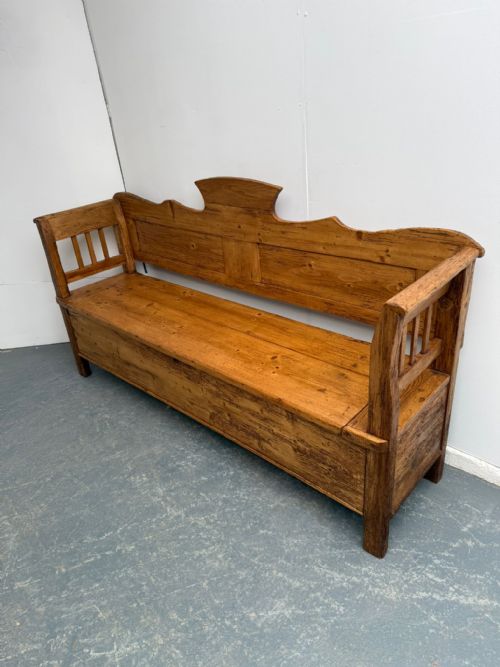
- A high-backed wooden bench with solid arms and a closed base designed to block drafts in old farmhouses. These pieces often incorporate enclosed storage boxes beneath the seat.
- Milking stool
- A small, three-legged stool traditionally used by agricultural workers for milking livestock. Their simple, functional design made them easily transportable around the farm.
- Scumble
- A translucent layer of glaze or paint applied over a base coat to imitate wood grain or create textured patterns. It was frequently used on pine to lend plain surfaces a richer appearance.
- Vernacular
- Architecture and furniture built by local artisans using traditional methods and regional materials. These objects reflect the practical needs and aesthetic habits of a specific community.
Primitive Pine Seating: Frequently Asked Questions
How do I date these pieces?
Dating relies on examining tool marks, construction methods, hardware and the natural ageing of the pine timber over time.
Certain stylistic traits, such as Georgian proportions or medieval-inspired forms, also offer clear clues to a piece's era of origin.
Are painted finishes original?
Many items retain layers of early or original paint, such as traditional ochre or green coatings that have weathered through decades of use.
Examining the underlying wood and surface craquelure helps determine whether a finish dates to the period of manufacture.
How do I care for antique pine?
Keep wooden seating away from direct heat sources and sudden humidity changes to prevent the pine boards from splitting or warping.
Applying a gentle wax polish periodically helps nourish the dry timber and maintains the natural lustre of the surface.