





Primitive Oak Seating
Primitive oak seating brings raw regional character to a room through sturdy vernacular forms shaped by country makers using local timber.
Primitive Oak Seating
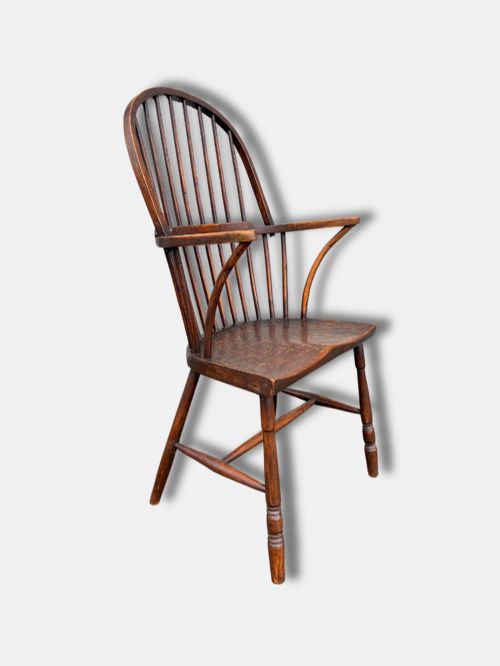
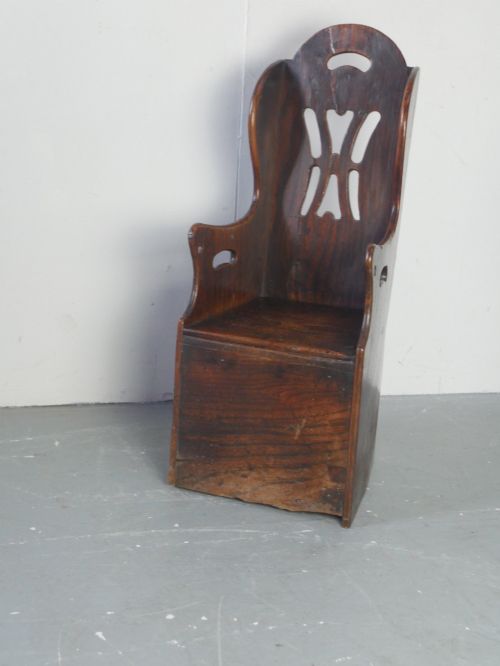
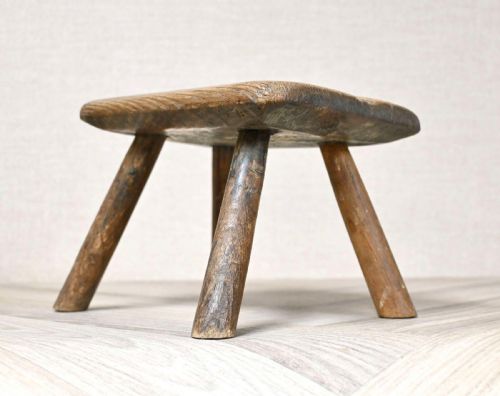
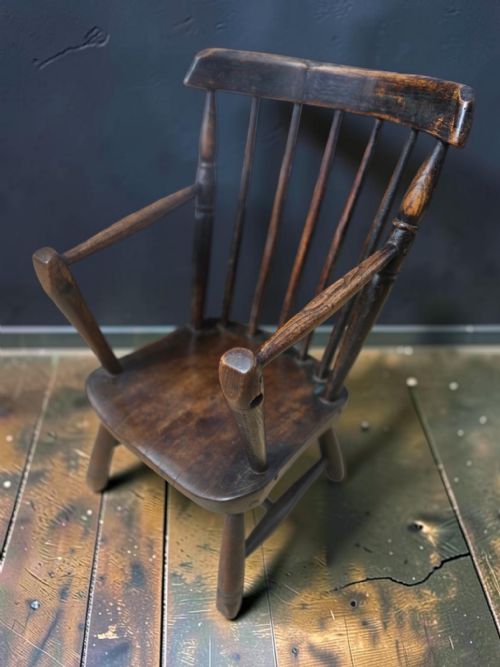
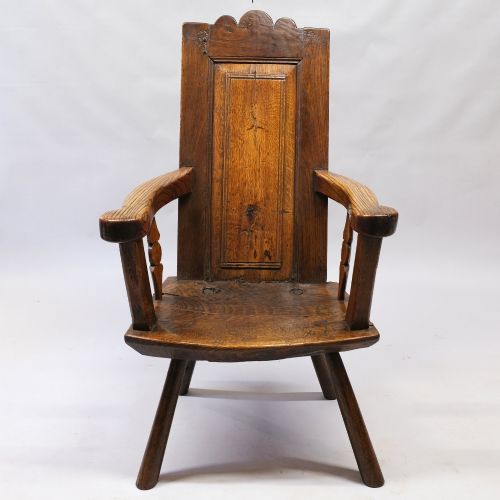
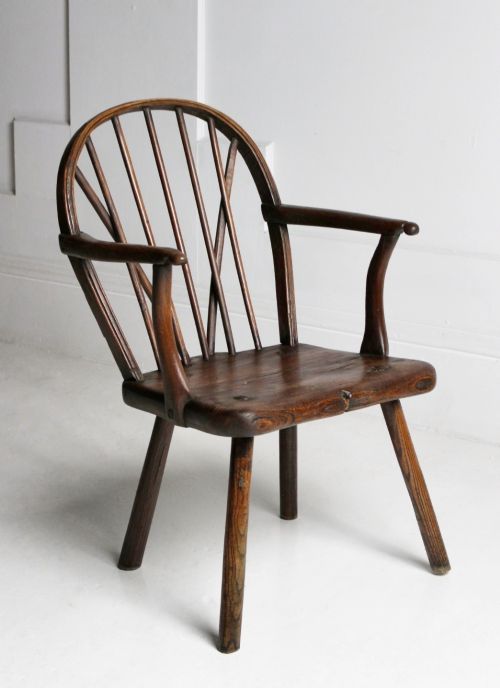
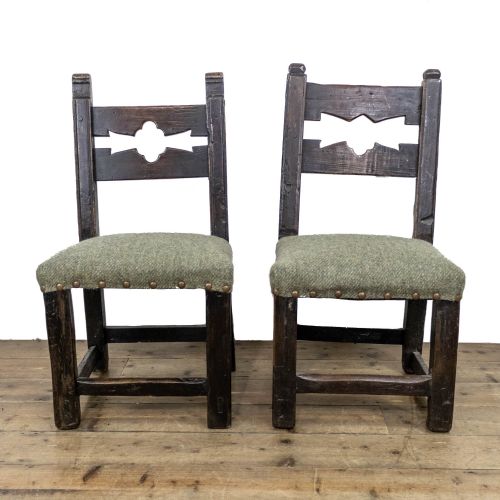
When searching for primitive oak seating, collectors encounter robust country furniture spanning the eighteenth and nineteenth centuries. These pieces encompass regional stick-back chairs, windsor armchairs, settles, stools, and children's furniture shaped by local craft traditions.
The selection here draws heavily upon vernacular traditions, including Welsh vernacular designs and English regional styles. Pieces range from simple hearth stools and child's chairs to comb-back armchairs and dug-out seating.
Makers utilised solid timber such as oak, elm, ash, and yew, often combining woods within a single piece to suit structural needs. Painted wood and natural form variations also appear among the offerings.
Materials and construction methods
Country artisans constructed primitive seating from solid timber, frequently pairing an oak or elm seat with ash or yew spindles and legs. This pragmatic choice of local woods ensured strength and availability in rural workshops.
Construction relied on traditional joinery methods like wedged tenons and shaved spindles fitted into thick slab seats. Surface treatments varied from plain bare wood to historic painted finishes and bark details.
Primitive Oak Seating Retail Price Guide 2026
Typical asking prices for primitive oak seating among the pieces listed under this phrase on Sellingantiques today, from the lower quarter to the upper quarter. They describe what is for sale here now, not the wider market.
The listings here feature oak, elm, ash, and yew across eighteenth and nineteenth-century forms including windsor chairs, stools, and settles.
Distinctions in quality and character
Quality in these rural pieces rests upon the integrity of the original construction and the balance of the proportions. Superior examples retain their early surface patination and show purposeful shaping rather than crude assembly.
The distinction between standard cottage items and finer folk art pieces lies in the articulation of the stick work and the comfort of the hoop or comb back. Wear patterns tell a story of long domestic use without compromising structural soundness.
The Primitive Oak Seating Glossary
- Vernacular
- Furniture made by local craftsmen for everyday use rather than following metropolitan fashion. These regional pieces reflect the materials and traditions available in specific areas like Wales or the West Country.
- Windsor chair
- A chair built with a solid wooden seat into which the legs and back-bow are separately inserted. Hoop-back and comb-back variations are typical examples found in country seating.
- Stick back
- A chair design where turned or cleft wooden spindles form the backrest by fitting directly into the seat slab. This method characterises much English and Welsh regional seating.
- Comb back
- A Windsor style chair where the top rail resembles the teeth of a comb, often featuring an extended headrest. These form a distinct sub-category of vernacular armchairs.
- Settles
- A wooden bench with a high back and solid arms, designed to keep draughts away from the sitter. Country versions often incorporate panel construction or stick backs.
Primitive Oak Seating: Frequently Asked Questions
How do I date a country chair?
Dating relies on observing tool marks, timber shrinkage, construction methods, and wear patination across the seat and legs. Eighteenth-century pieces often display hand-split components and vernacular shaping.
Later nineteenth-century examples may incorporate industrial hardware or softer painted finishes while retaining traditional rustic forms.
Were these chairs painted originally?
Many country pieces received coats of paint or pigmented washes to protect the mixed timbers or update their appearance over generations. Surviving historic paint adds significant character to folk art items.
Plain bare wood surfaces also remain common, showing the natural grain of oak, elm, or ash through decades of handling.
How do I live with primitive seating?
These robust items fit naturally into contemporary and traditional interiors as occasional seating or sculptural focal points. Their modest scale and honest construction suit hallways, kitchens, and living spaces.
Maintenance involves keeping them away from direct heat sources and treating the aged timber with appropriate wax to preserve the surface.