





Primitive Coffee Table
A primitive coffee table brings honest, low-slung utility and rich timber grain to a room, rooted in centuries of straightforward rural joinery.
Primitive Coffee Table
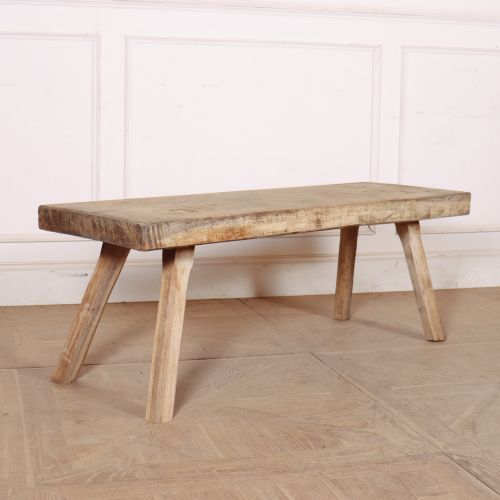
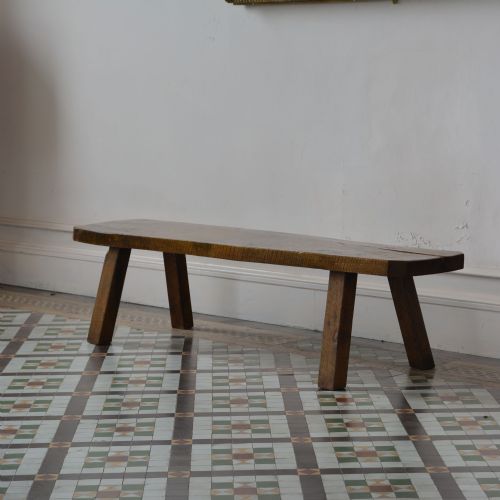
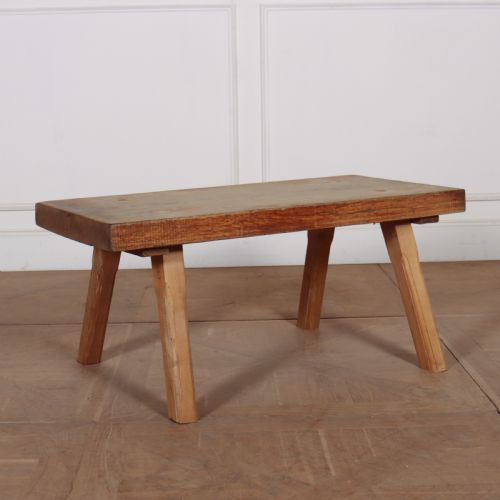
A primitive coffee table encompasses low utilitarian forms adapted from older work benches, pig benches, and cobblers benches, reimagined for modern living. These pieces draw from the eighteenth and nineteenth centuries, spanning French provincial, Spanish, and English country traditions.
Buyers will encounter low occasional tables, narrow trestle forms, and rustic work benches converted into coffee tables. The overriding aesthetic relies on unpretentious construction, straightforward timber slabs, and clear signs of historical use.
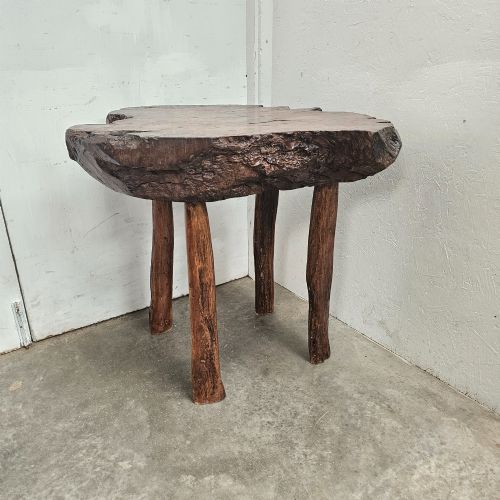
The selection ranges from sturdy oak trestles and scrubbed pine surfaces to striking burr walnut and thuya wood. Each piece displays the distinct regional carpentry of its origin without superfluous ornamentation.
Materials and construction
Makers utilised solid timbers such as oak, pine, sycamore, and softwood, selecting boards for local availability and hardwearing utility. Burr walnut and thuya wood appear when makers sought distinctive grain patterns for more decorative occasional tables.
Primitive Coffee Table Retail Price Guide 2026
Typical asking prices for primitive coffee table among the pieces listed under this phrase on Sellingantiques today, from the lower quarter to the upper quarter. They describe what is for sale here now, not the wider market.
Listings feature oak, pine, and burr woods across nineteenth and eighteenth-century French, Spanish, and English country traditions.
Assessing quality and character
Quality rests in the integrity of the timber and the honesty of the conversion from its original purpose. Superior examples retain deep patination and patinated surface textures built up through generations of handling.
Proportion and structural balance separate exceptional pieces from lesser items. Tables that keep their original height, unaltered base framing, and honest timber joints command greater appreciation.
The Primitive Coffee Table Glossary
- Pig bench
- A low, narrow wooden bench historically used in agricultural work, now frequently adapted as a long coffee table. These pieces usually feature thick timber tops and simple peg joinery.
- Cobblers bench
- A low workshop seat historically fitted with compartments for tools, repurposed here as an occasional table with distinct compartmentalised surface detail.
- Trestle table
- A table construction where the top rests on folding or fixed upright frames rather than four corner legs, offering stable support for heavy timber slabs.
- Burr wood
- A growth deformation on a tree that produces intricate, swirling grain patterns highly prized for decorative table surfaces.
- Provincial
- Describing furniture made in regional areas outside metropolitan centres, often reflecting local traditions and readily available native timbers.
Primitive Coffee Table: Frequently Asked Questions
What is a primitive coffee table?
A primitive coffee table is typically a repurposed historic work surface, such as an old pig bench or carpenter's table, lowered for modern living.
These pieces showcase unpretentious country craftsmanship and aged timber patination rather than refined formal styling.
How do I clean a rustic wood table?
Clean rustic wooden surfaces using a soft, slightly damp cloth to remove everyday dust without stripping the historic wax or dry finish.
Avoid harsh modern chemical sprays that can damage centuries of accumulated patina on softwood and hardwood tops.
Are these tables suitable for everyday use?
These tables were originally built for rigorous daily tasks in farmhouses, workshops, and provincial homes, making them exceptionally sturdy.
Their solid oak, pine, and hardwood construction easily handles the demands of a modern living room.
How can I tell the period of a table?
Dating relies on observing tool marks, timber species, structural joinery methods, and the natural wear patterns accumulated over time.
Eighteenth and nineteenth-century examples display hand-sawn boards and pegged joints that differ markedly from later machine-made furniture.