




Primitive Art Sculpture
Primitive art sculpture brings direct, unpolished form into a room, offering striking figures and decoys shaped by hands outside the academy.
Primitive Art Sculpture
A primitive art sculpture encompasses a diverse range of naive, outsider, and folk pieces spanning the eighteenth to the twentieth centuries. Buyers seeking this category encounter figures, animal forms, wall art, and utilitarian objects transformed into decorative works.
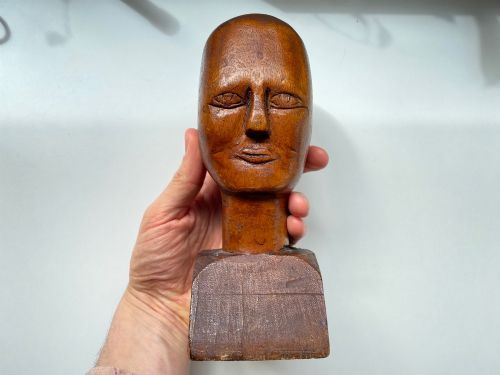
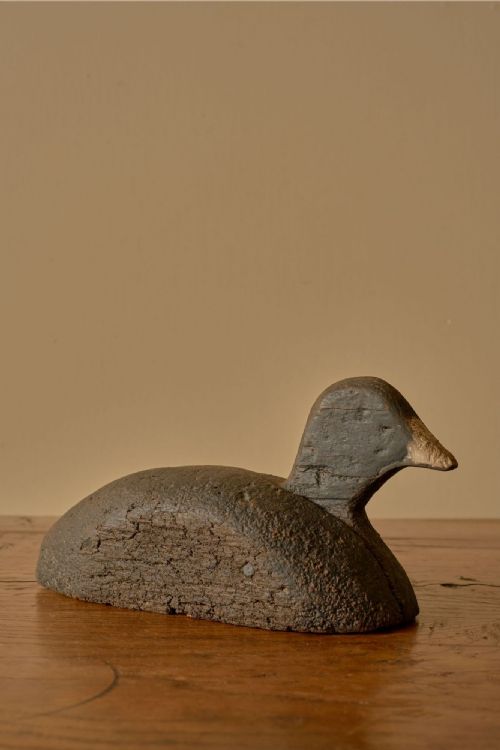
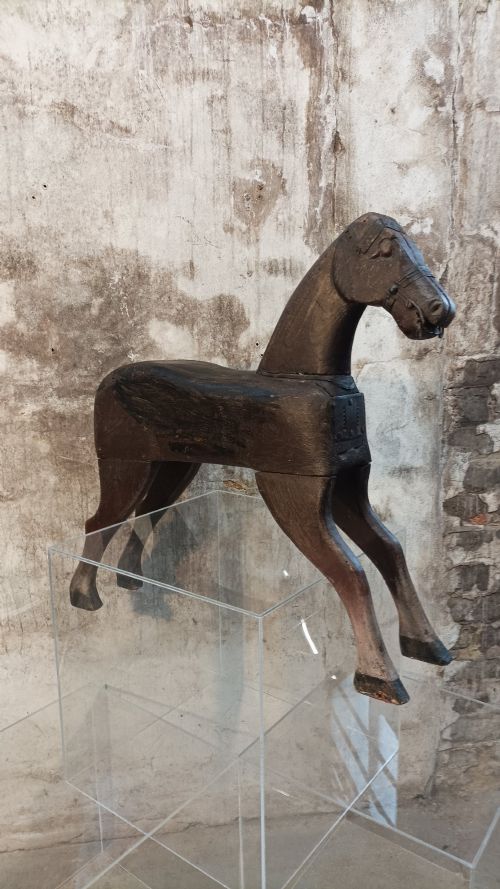
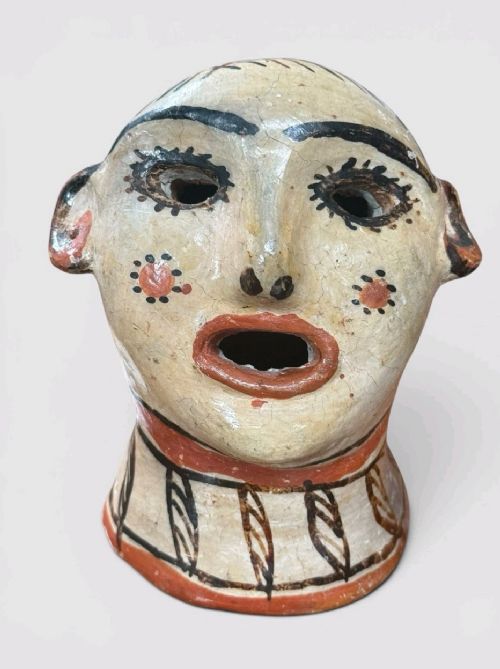
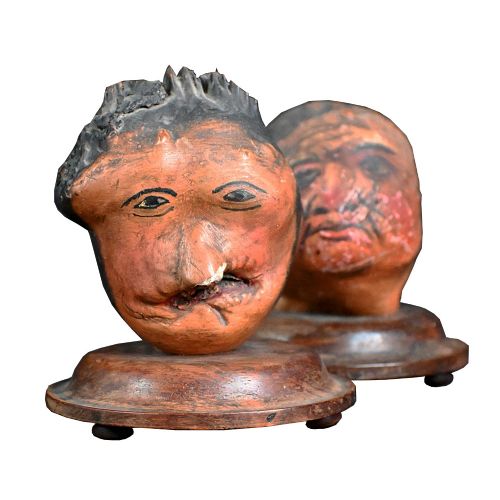
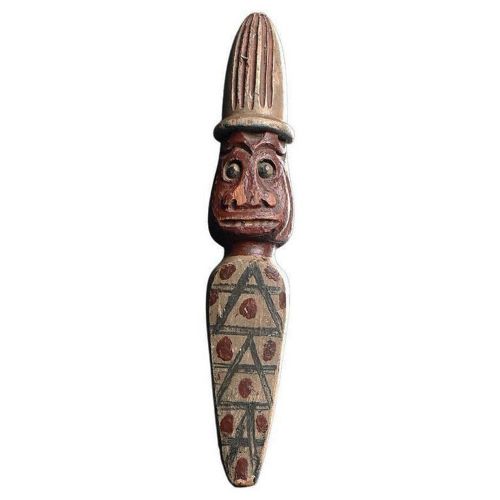
The pieces listed on this page appear in materials such as wood, terracotta, sheet metal, and clay, often bearing original paint or slip pigment. Forms range from French and American decoy ducks to Peruvian pottery busts, nineteenth-century horses, and twentieth-century religious figures.
Most examples originate from specific folk and outsider traditions, including American and Peruvian folk art, alongside French rustic pieces. These objects serve purely decorative roles in modern interiors, valued for their strong silhouettes and tactile surfaces.
How they were made
Makers shaped these sculptures primarily from timber such as elm, or modelled them in clay and terracotta, utilising straightforward hand tools. Wooden items often display carved tool marks and weathered grains that reflect everyday utilitarian craft.
Many surfaces carry layers of historic paint, slip pigment, or metal plating which define their visual character. Artisans worked directly with available regional materials, constructing sheet metal figures and ceramic busts without industrial finishings.
Primitive Art Sculpture Retail Price Guide 2026
Typical asking prices for primitive art sculpture among the pieces listed under this phrase on Sellingantiques today, from the lower quarter to the upper quarter. They describe what is for sale here now, not the wider market.
Listings feature items spanning the eighteenth, nineteenth, and twentieth centuries, executed in wood, elm, terracotta, clay, iron, and sheet metal.
What varies in quality
Quality in these sculptures rests upon the strength of the form and the integrity of the surface patination. Pieces that retain their unblemished original paint or deep historic weathering command stronger visual presence than those stripped or overly restored.
The directness of the carving or modelling distinguishes superior examples from standard workshop output. Stronger pieces display confident proportions and individual character, whether in the stance of a carved horse or the expression of a clay head.
The Primitive Art Sculpture Glossary
- Folk Art
- Artistic work created within a cultural tradition by untrained artisans, often serving practical or ritual functions before becoming decorative. These objects rely on traditional community methods rather than academic training.
- Outsider Art
- Art produced by self-taught creators who operate outside the mainstream cultural establishment. It shares affinities with art brut through its raw, unmediated expression.
- Art Brut
- French term coined to describe art created outside the boundaries of official culture, typically by self-taught individuals. The style prioritises internal vision over conventional aesthetics.
- Decoy Duck
- A carved or moulded water bird utilised by hunters to attract live fowl, later appreciated as sculptural folk art. These items often exhibit weathered working surfaces and historic painted finishes.
- Slip Pigment
- Liquid clay mixed with colouring agents applied to pottery before firing to create surface decoration. It adds varied earthy tones to terracotta and ceramic pieces.
Primitive Art Sculpture: Frequently Asked Questions
What is primitive art sculpture?
Primitive art sculpture refers to naive, folk, and outsider works created by self-taught makers or within traditional craft communities. The category includes carved wooden animals, clay busts, metal figures, and religious devotional objects.
These pieces span from the eighteenth century through to the mid twentieth century, representing diverse geographic origins such as France, Peru, and America. They are prized for their honest materials and strong, uncomplicated forms.
How do I style primitive sculpture at home?
These sculptures suit contemporary and traditional interiors alike, often acting as strong focal points on plain shelves, mantelpieces, or tables. Their neutral wood tones, weathered metals, and earthy clay finishes complement minimalist or rustic backdrops.
Pairing a single naive animal form or bust with clean architectural lines allows the texture and age of the object to stand out. Proper placement avoids direct sunlight to protect historic painted surfaces.
How can I tell the period of these pieces?
Dating relies heavily on material analysis, tool marks, and the ageing of paint or metal surfaces. Eighteenth-century items often show deep hand-carving wear on hardwoods like elm, while twentieth-century examples may incorporate sheet metal or mid-century clay techniques.
Stylistic traits also offer clues, as regional folk traditions evolved distinct carving methods over different centuries. Examining the construction underneath provides further confirmation of age.