



Primitive Armchair
A primitive armchair is a vernacular seat of solid timber, shaped by regional makers for daily utility and enduring comfort.
Primitive Armchair
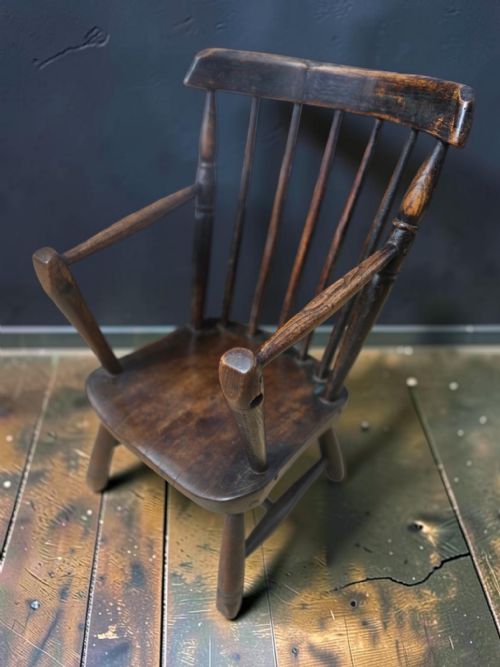
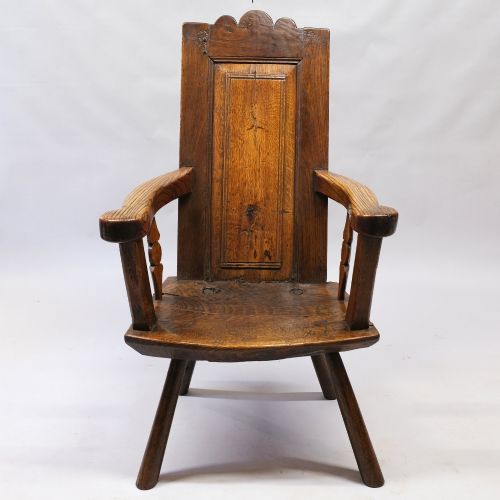
A primitive armchair represents the honest work of country joiners and regional makers spanning the eighteenth and nineteenth centuries. Buyers searching for a primitive armchair will encounter solid wood seating shaped for everyday utility rather than formal parlour display.
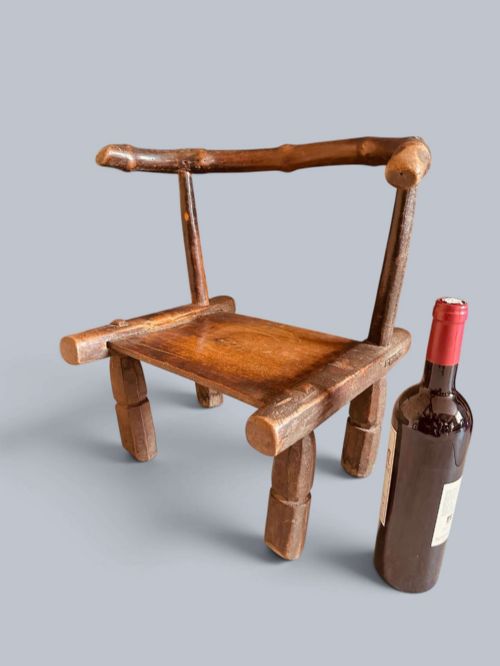
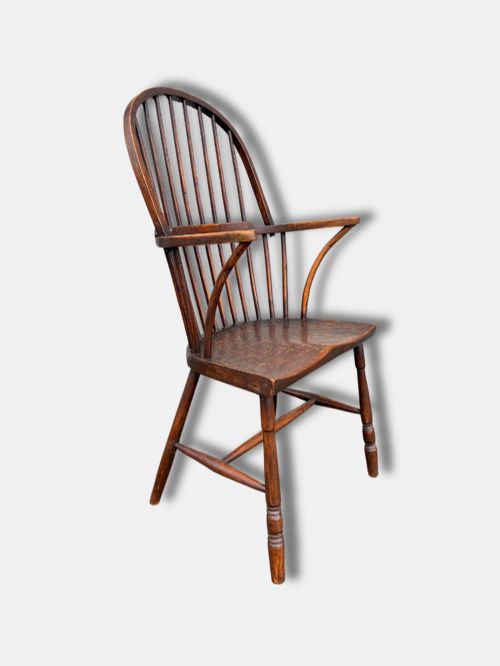
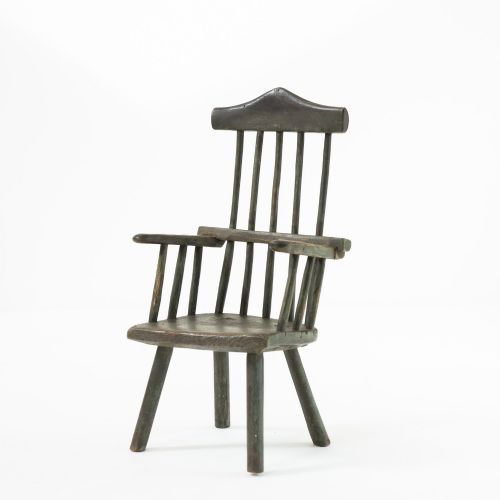
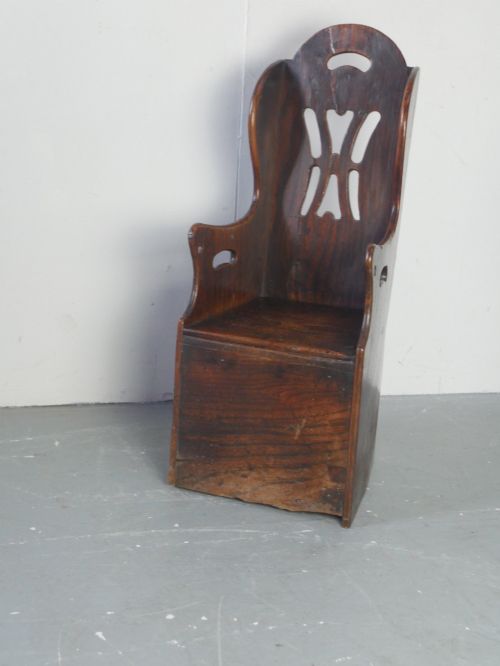
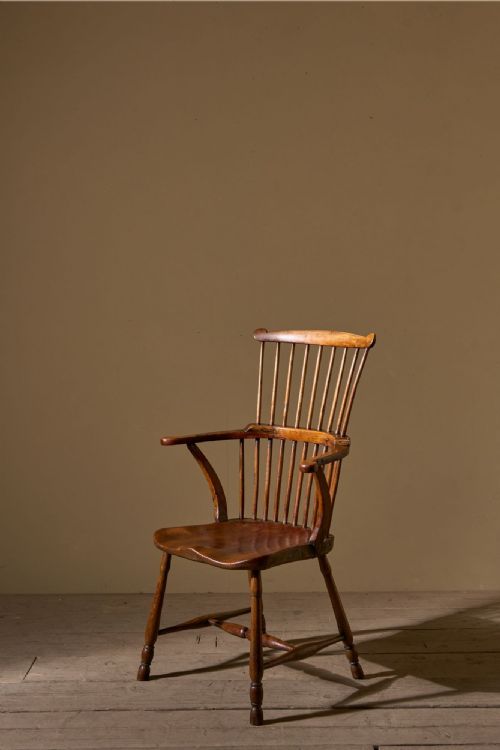
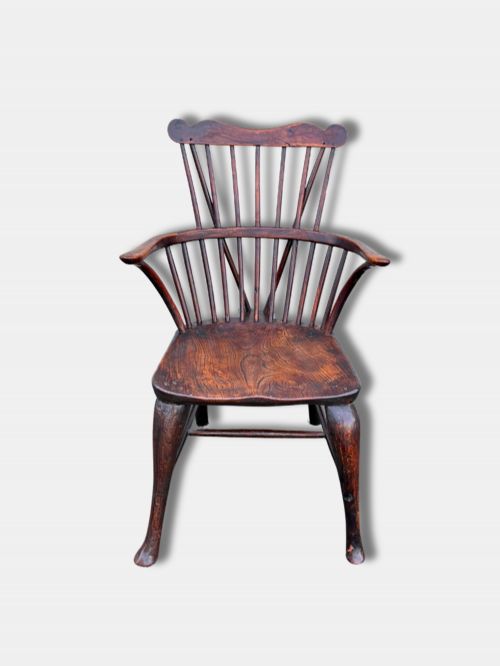
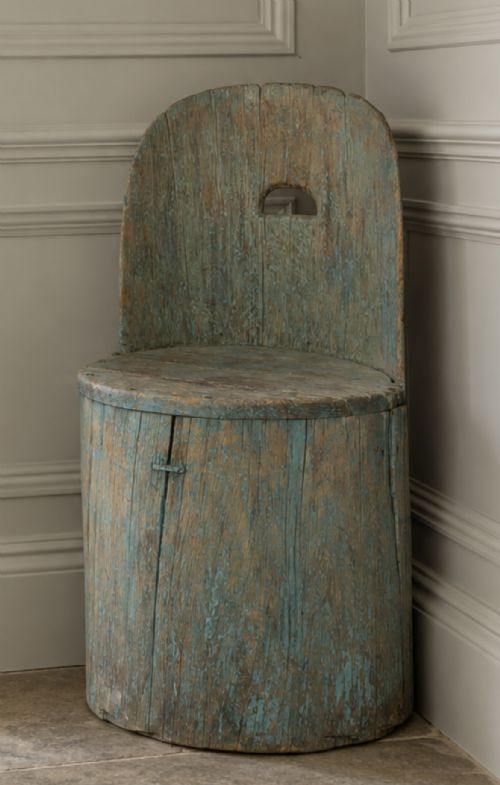
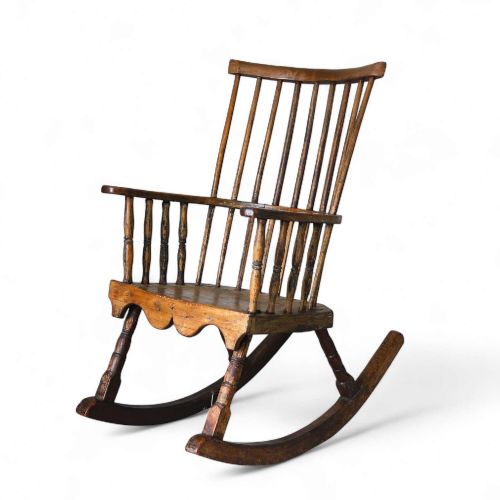
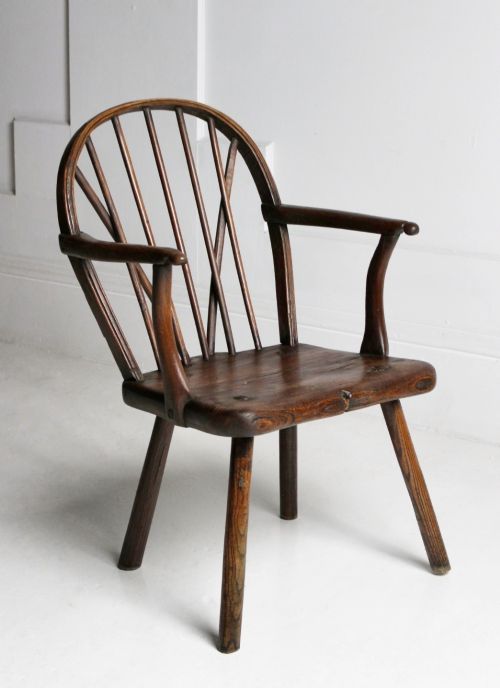
The selections available here lean heavily towards English and Welsh stick backs, Windsor forms, and heavy dugout constructions from Scandinavia. These rustic seats often appear in regional styles such as Welsh vernacular or Thames Valley traditions.
Materials and construction
Makers utilised a combination of native hardwoods and softwoods, frequently pairing elm seats with ash or yew spindles and framing. Fruitwood, sycamore, laburnum, pine, and paint finish also appear across the inventory.
Construction methods rely heavily on traditional green woodworking and Windsor techniques, where legs and spindles are wedged directly into thick solid timber seats. Dugout examples are hewn straight from a single log into heavy, monolithic forms.
Primitive Armchair Retail Price Guide 2026
Typical asking prices for primitive armchair among the pieces listed under this phrase on Sellingantiques today, from the lower quarter to the upper quarter. They describe what is for sale here now, not the wider market.
Judging the range
Quality in a primitive armchair is dictated by the harmony of the timber selection and the boldness of the regional form. Chairs combining diverse woods like yew, elm, and fruitwood within a single comb back often demonstrate superior handling by the maker.
The integrity of the original construction and the depth of surface patinative wear distinguish finer examples from simpler utilitarian seating. Well-proportioned stick work and untouched historical surfaces elevate certain vernacular chairs well above standard country workshop output.
The Primitive Armchair Glossary
- Windsor chair
- A chair built with a solid wooden seat into which the legs and back stick uprights are tenoned directly. This method creates a sturdy, resilient frame typical of country production.
- Comb back
- A chair back featuring an upper horizontal headpiece resembling a comb, into which vertical spindles are slotted. It provides integrated arm supports and ergonomic backrest curvature.
- Dug out chair
- A primitive seat hewn entirely from a single massive log or trunk. This ancient method yields heavy, monolithic forms with deep, carved seat recesses.
- Stick back
- A seating form constructed by boring holes into a solid wooden seat and inserting tapered wooden rods to form the backrest. These rods are often secured with wooden wedges.
- Vernacular
- Objects designed and built by local craftsmen using regional materials and traditional local methods rather than following high-style academic architectural fashions.
Primitive Armchair: Frequently Asked Questions
How do I date an old armchair?
Dating relies on examining the construction marks, tool methods, timber combinations, and the specific regional stick back design. Eighteenth-century models often display characteristic comb backs and combinations of ash and elm.
Nineteenth-century examples frequently show different spindle turnings and varied painted finishes or pine additions. Comparing the wear patterns and joinery techniques helps narrow the production era.
Where were these chairs made?
These chairs were produced in rural workshops, farmsteads, and regional centres across England, Wales, and Scandinavia. Specific areas like the Thames Valley or Welsh valleys developed distinct local traditions.
Local timber availability heavily influenced whether a maker used yew, elm, ash, or pine for the build.
How should I live with one?
Living with a primitive armchair involves placing it in spaces where its solid timber character can complement both modern and traditional interiors. These robust seats function well as reading chairs or decorative statement pieces.
Keeping them away from direct heat sources helps preserve the historic wood and any original painted finishes.