





Porcelain Sign
Porcelain sign selections bring industrial scale and graphic presence into domestic spaces through robust vitreous enamel.
Porcelain Sign
When you search for porcelain sign items, you encounter durable advertising plaques and notices designed for commercial use.
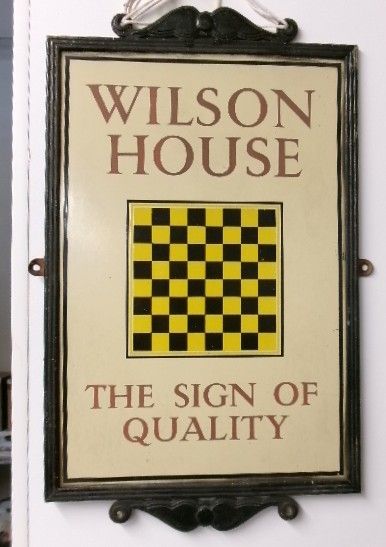
The selections on this page lean heavily towards large industrial pieces and framed advertising displays originating from the early decades of the twentieth century.
How they were made
Makers fused vitreous enamel powders onto heavy iron bases at high temperatures to create weather-resistant surfaces.
Stencils and screen-printing techniques applied bold lettering and trade imagery before final firing.
Porcelain Sign Retail Price Guide 2026
Typical asking prices for porcelain sign among the pieces listed under this phrase on Sellingantiques today, from the lower quarter to the upper quarter. They describe what is for sale here now, not the wider market.
Some signs still carry the faint ghost of old tobacco smoke from the walls of dusty rural railway waiting rooms.
What varies in quality
Quality rests in the crispness of the typography, the depth of the fired gloss, and the integrity of the underlying metal plate.
Examples showing minimal chipping along the mounting holes and strong, unfaded pigments represent the better end of surviving output.
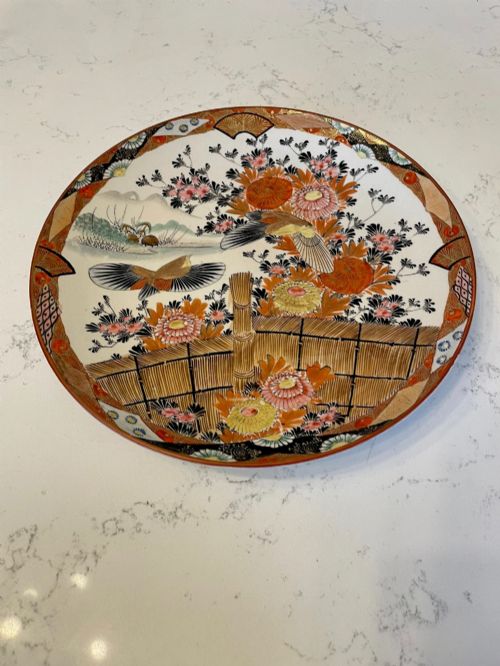
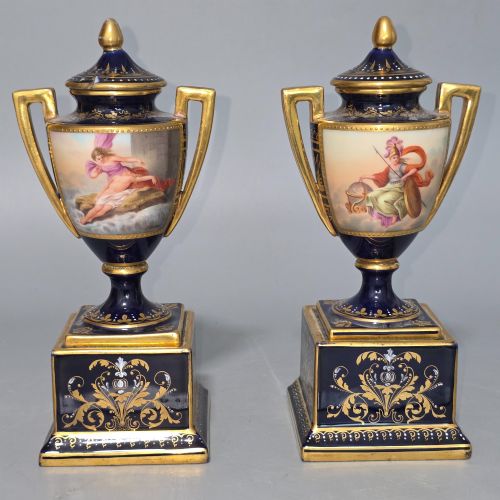
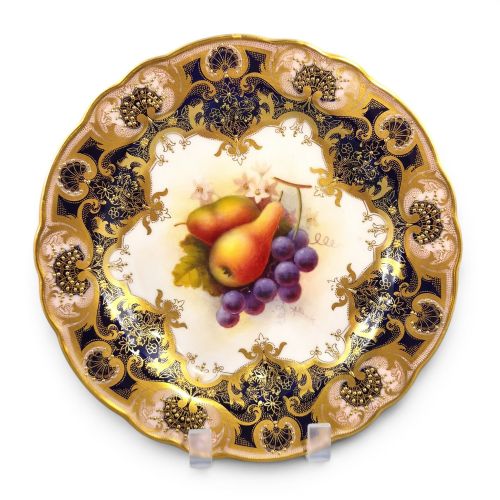
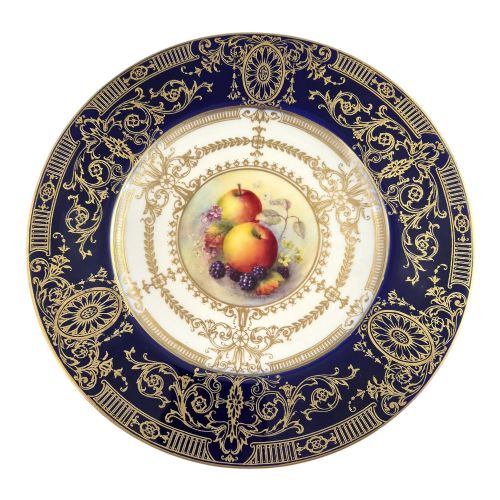
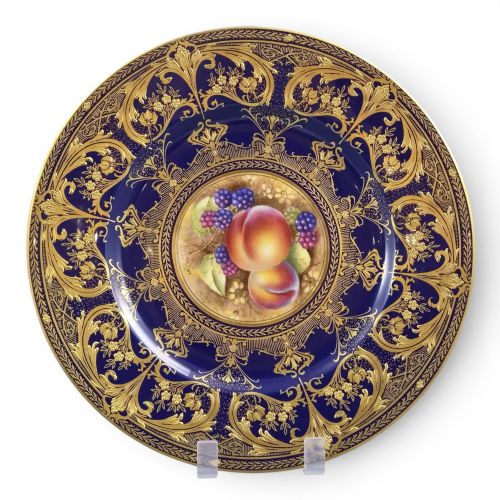
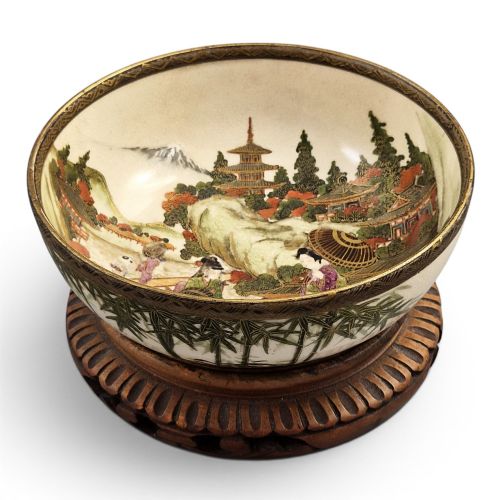
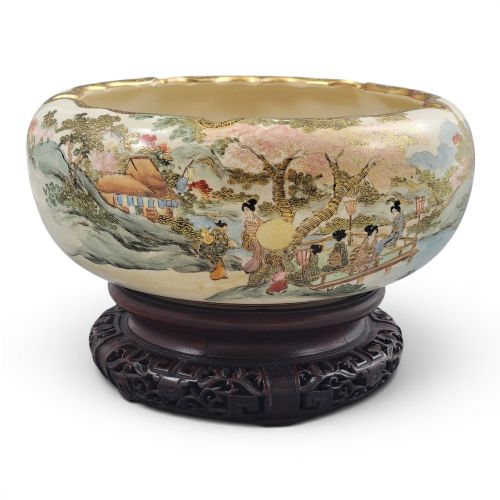
Royal Worcester·Kinkozan Kyoto·Sumida Gawa Pottery
The Porcelain Sign Glossary
- Vitreous enamel
- Glass melted onto a metal substrate at high heat. This creates a hard, glossy coating that resists fading and chemical wear.
- Flange
- A projecting rim or collar on a sign used for mounting against a wall. It allows the sign to project outward for visibility from multiple directions.
- Grommet
- A metal eyelet fitted through the fixing holes of a sign. This prevents the iron backing from cracking under the pressure of mounting screws.
- Lithography
- A printing method using oil and water to transfer designs onto curved or flat surfaces before firing. It permitted detailed pictorial elements on commercial wares.
Porcelain Sign: Frequently Asked Questions
Where were porcelain signs displayed?
These notices hung outside railway stations, storefronts, and factories to withstand outdoor weather while advertising commercial goods.
Their robust construction ensured longevity in busy public thoroughfares without losing legibility.
How do I clean an enamel sign?
Wipe surfaces gently using warm water and mild soap to remove accumulated surface dust and grime.
Avoid abrasive cloths or harsh chemical solvents that can dull the fired glass glaze.
Are mounting brackets original?
Original signs often retain integrated iron flanges or stamped brass grommets used for wall attachment.
Replacement fixings are common due to the practical demands of historic commercial installation.
How do I date an advertising sign?
Lettering styles, typeface designs, and specific corporate logos provide the clearest chronological indicators.
Heavier iron gauges and specific manufacturing marks on the reverse also point to particular production decades.