




Pond Yacht Model
A pond yacht model brings the grace of historic sailing vessels straight into a room, offering tactile maritime history from the nineteenth and early twentieth centuries.
Pond Yacht Model
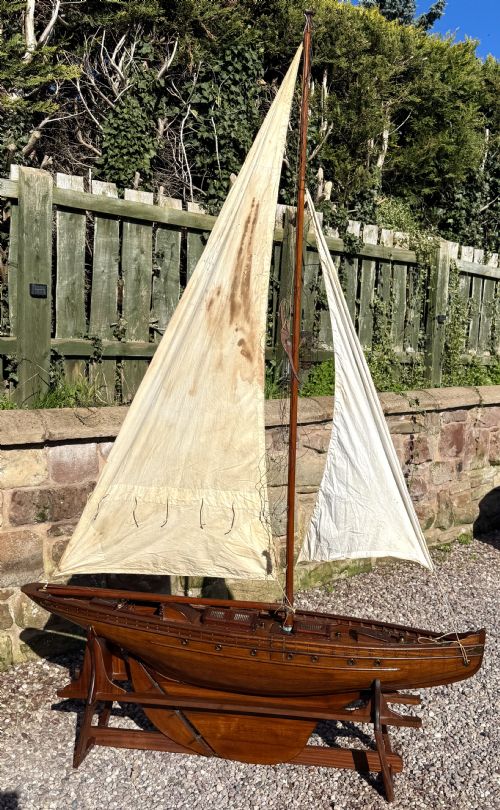
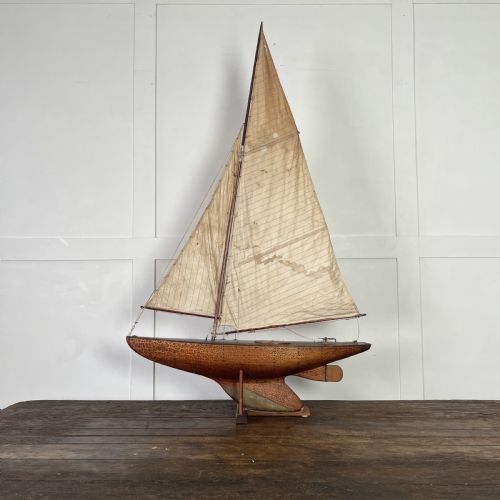
When you search for a pond yacht model, you are looking at decorative objects and model boats that capture the design of historic sailing vessels. These pieces range from substantial Victorian hulls to fully rigged Edwardian craft.
You are most likely to meet large vintage pond yacht models and hulls dating from the nineteenth century up to the 1920s on this page. They appear in styles such as maritime and nautical, often complete with display stands or intricate cordage.
How they were made
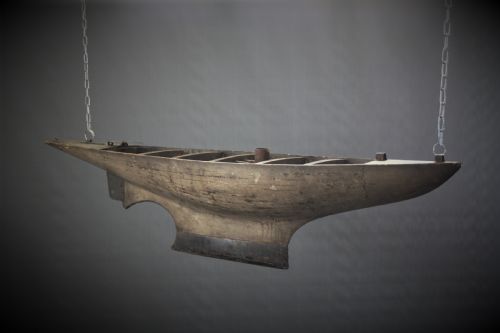
Maker construction relies heavily on wood and pine, frequently shaped into carvel hulls and paired with metal or brass fittings. These materials give each hull its substantial weight and structural form.
Rigging incorporates canvas, cotton, and cordage to form the sails and tackle, while lead adds necessary ballast to the base of the craft for stability on the water.
Listings span the nineteenth century, the Victorian and Edwardian eras, and the 1910s and 1920s, featuring wood, pine, brass, canvas, and lead.
What varies in quality
Quality depends on the scale and ambition of the build, moving from stripped-down hulls to fully rigged racing yachts with intricate deck details. Scratch-built examples display the individual hand of the maker through careful woodworking.
The presence of original materials like period cordage, canvas sails, and dedicated wooden stands elevates a piece. Larger formats, reaching impressive heights, demand greater skill in timber shaping and balance.
The Pond Yacht Model Glossary
- Carvel hull
- A method of boat building where planking edges are laid flush against each other, creating a smooth exterior surface. This technique provides the sleek lines seen on nineteenth-century models.
- Ketch-rigged
- A two-masted sailing arrangement where the shorter mast sits aft of the mainmast. This rig alters the balance and silhouette of the model.
- Cordage
- The system of ropes, lines, and rigging used aboard a vessel to support masts and control sails. Original cordage adds historical depth to a piece.
- Ballast
- Heavy material placed low in a boat to improve stability. Lead is frequently utilised for this purpose in pond yachts.
Pond Yacht Model: Frequently Asked Questions
How do I date a pond yacht model?
Dating relies on examining the construction methods, materials, and stylistic cues present in the hull and rigging. Nineteenth-century examples often display different hull shaping techniques compared to those from the 1920s.
Looking at the type of wood, metal fittings, and canvas helps place the object within periods such as the Edwardian era or the late 1800s.
How were pond yachts used originally?
Original owners sailed these models across park ponds, trimming the sails so the boats could run across the water and be retrieved at the opposite bank. They required careful ballasting with lead to ensure they stayed upright in the wind.
Beyond the water, many were displayed in homes as decorative objects reflecting the maritime interests of the period.
What does scratch-built mean for a model boat?
Scratch-built means the model was constructed from raw materials by an individual maker rather than assembled from a commercial kit. This approach results in unique proportions and hand-worked wooden hulls.
Such pieces often showcase the distinct craftsmanship of the person who built them, making each model a singular historical record.