




Polychrome Religious Art
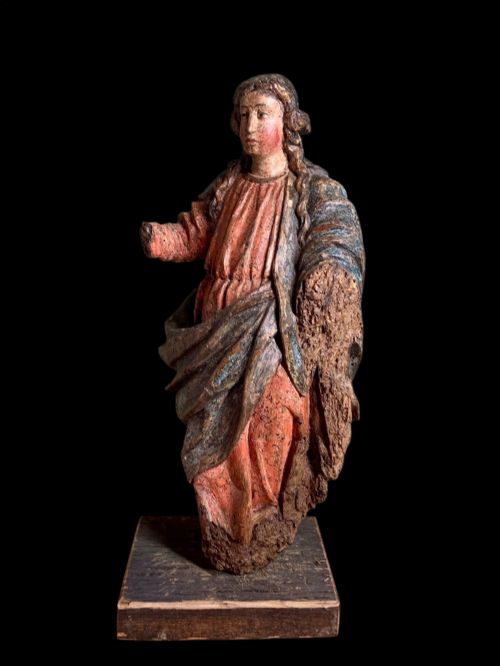
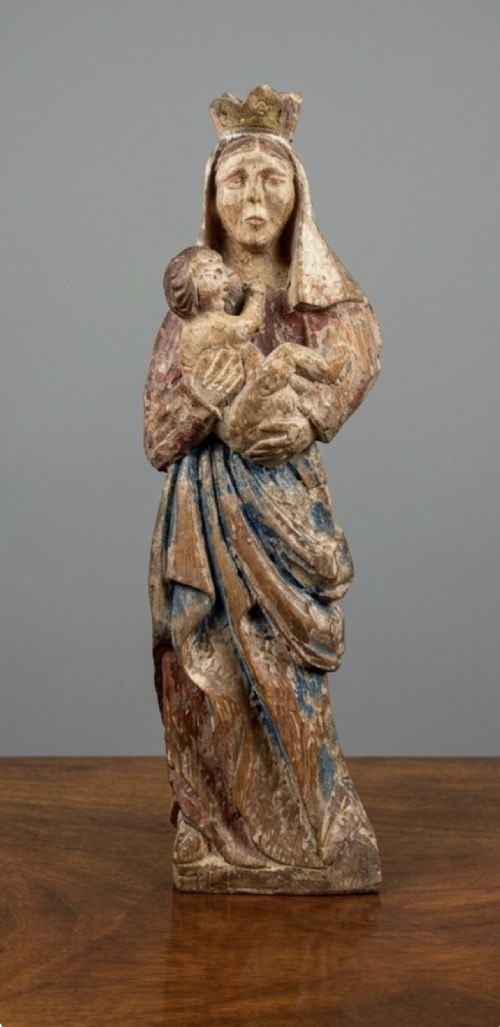
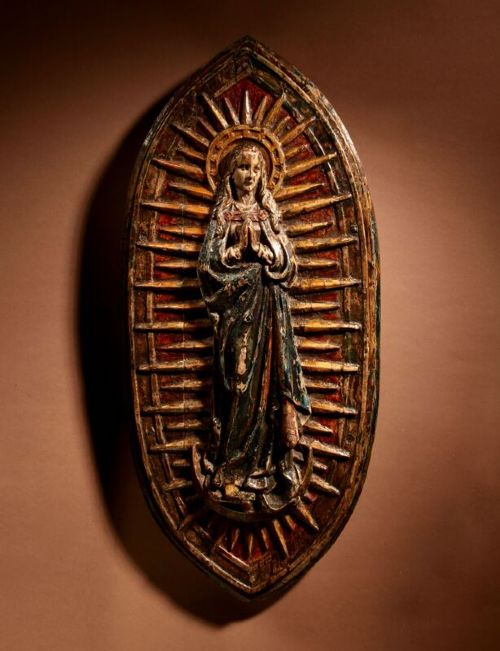
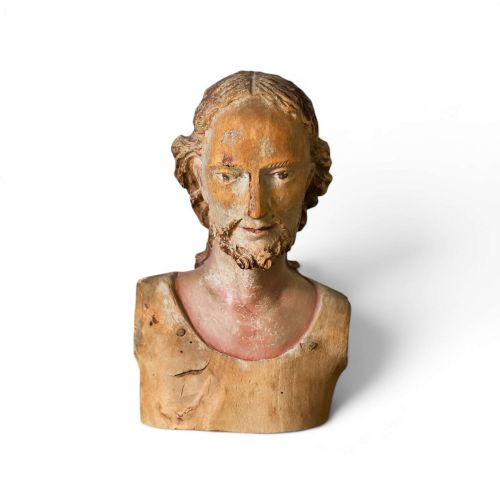
These pieces of polychrome religious art bring centuries of devotion into a room through carved wood, pigment, and gold leaf.
Polychrome Religious Art
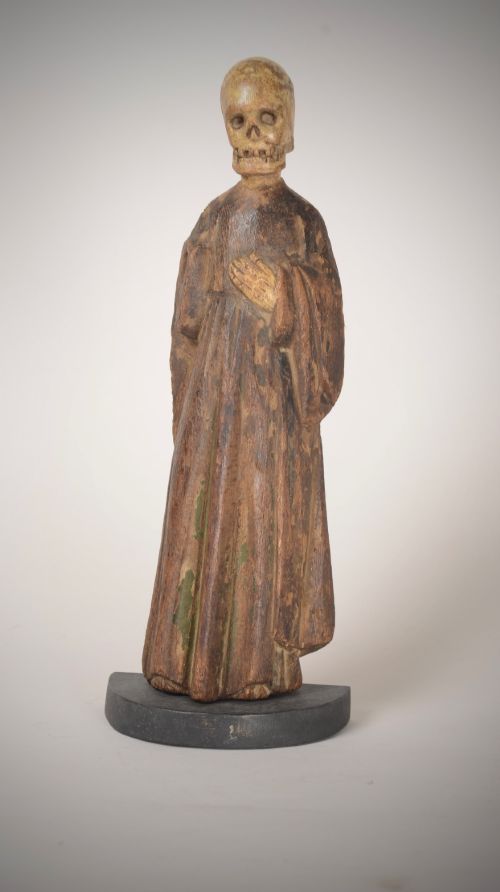
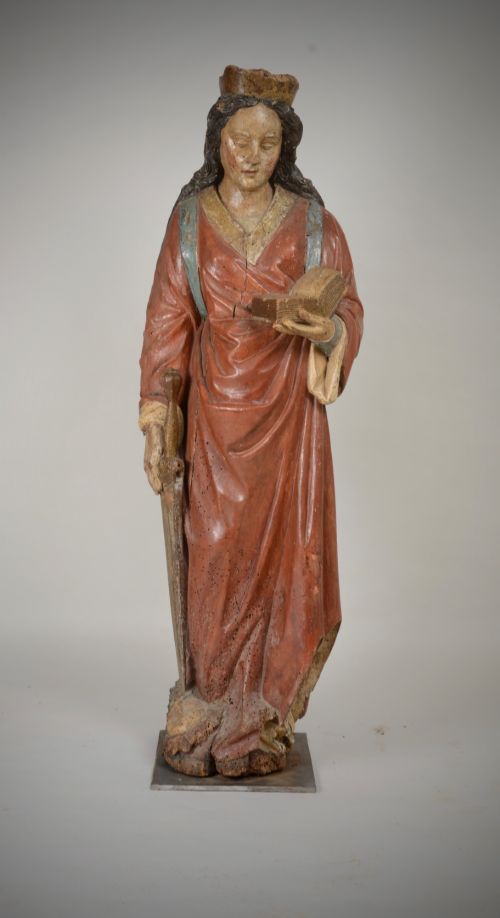
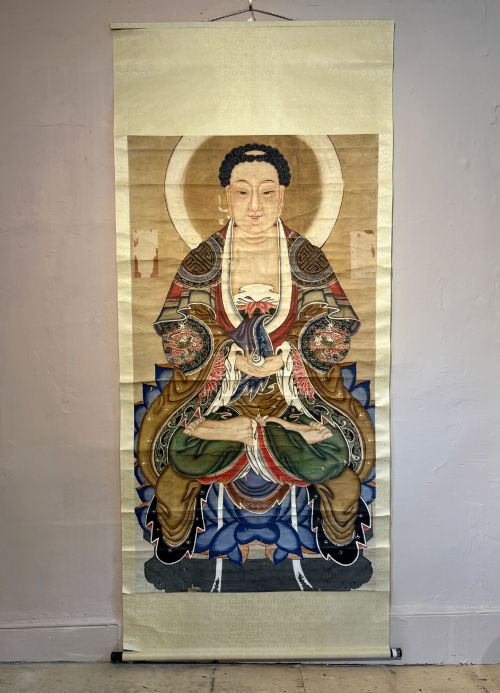
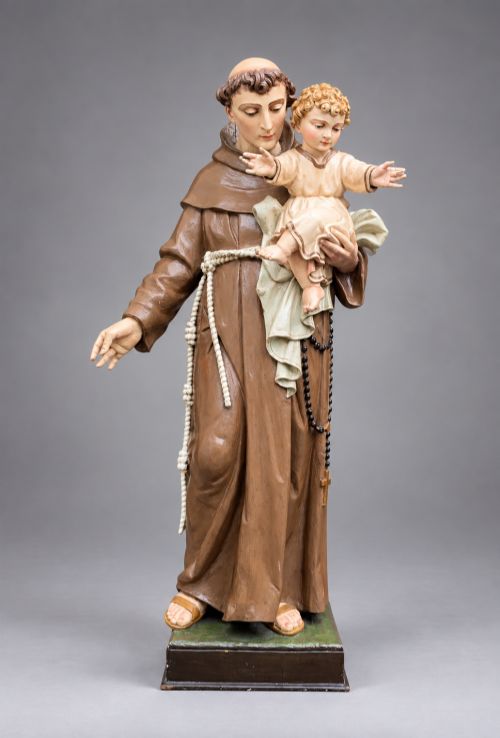
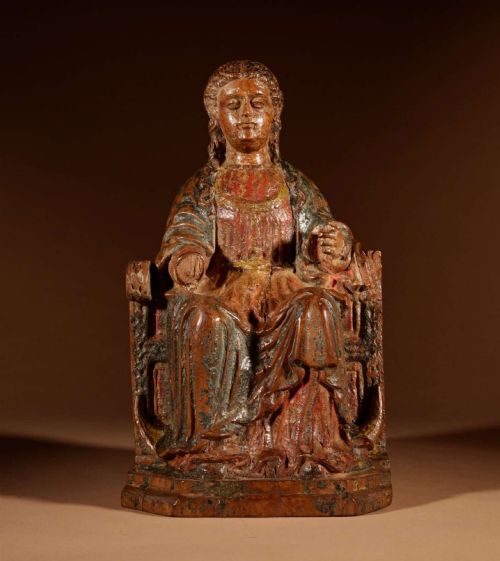
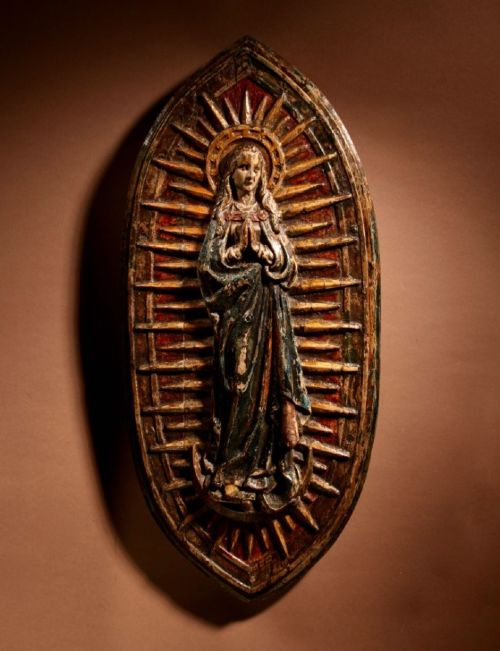
When looking for polychrome religious art, buyers encounter devotional figures, altarpiece panels, and processional statues shaped by centuries of Christian and Eastern traditions. These items span periods from the medieval era through the sixteenth, seventeenth, eighteenth, and nineteenth centuries, alongside pieces from nineteen-ten and nineteen hundred. Forms range from standing saints and enthroned madonnas to intricate wall sculptures and devotional icons.
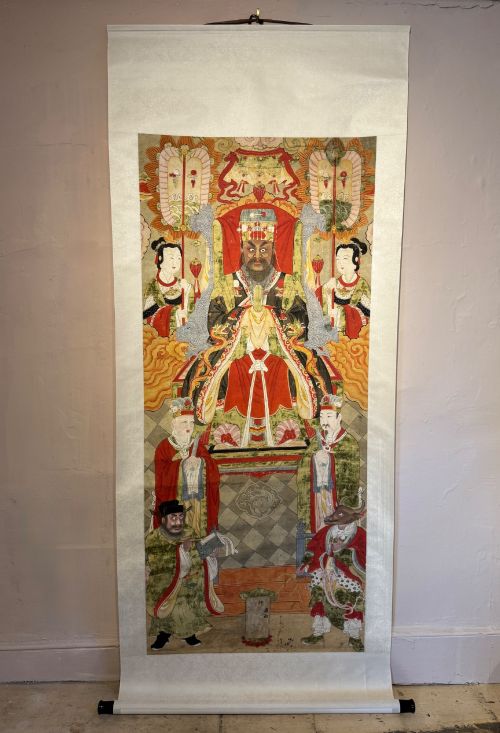
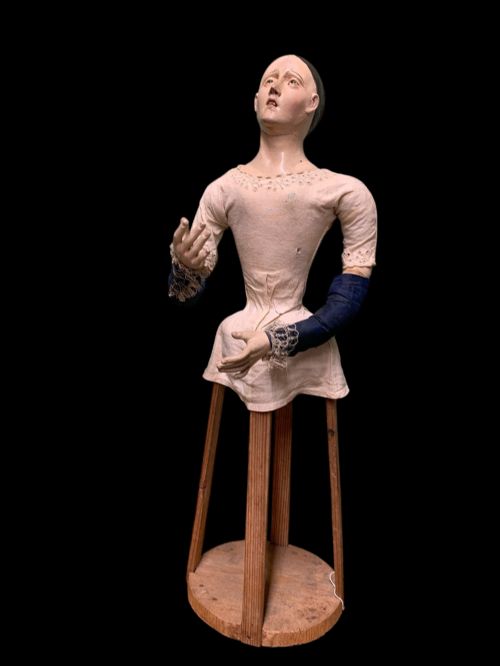
The most common examples on this page are nineteenth-century and eighteenth-century Italian and Spanish carvings, alongside northern European medieval panels in oak, pine, and lime wood. Figures such as angels, Christ, Mary, and various saints appear alongside specific regional deities like the Chinese Buddha and Quan Yin. Buyers also find home altars, processional figures, and framed wax icons.
Regional diversity shapes the selection, with Italian, Spanish, Czech, French, and Chinese origins represented across the inventory. European pieces often reflect Gothic, Renaissance, Baroque, and Rococo styles, while others emerge from folk traditions. Each object carries the specific aesthetic of its place of origin, whether an Italian angel or a Spanish home altar.
Materials and construction
Makers shaped these works primarily from carved wood, utilising timbers such as oak, walnut, olive wood, pine, and lime wood. They frequently applied a preparation layer of gesso to the timber base to create a smooth surface for subsequent decoration. This foundational ground allowed finer details of the sculpture to hold firm before the application of colour.
Surface decoration relied upon polychrome pigment, polychrome paint, and gold leaf to bring figures to life with vivid colour and metallic sheen. Artisans layered these paints and gilded elements over the gesso, sometimes incorporating glass or delicate wax work in specific devotional icons. Parcel gilt techniques highlighted particular garments or halos, catching the light in dim chapel interiors.
Polychrome Religious Art Retail Price Guide 2026
Typical asking prices for polychrome religious art among the pieces listed under this phrase on Sellingantiques today, from the lower quarter to the upper quarter. They describe what is for sale here now, not the wider market.
Several angels appear with affectionate expressions, reminding us that medieval carvers occasionally let a friendly smile slip onto a holy face.
Judging quality and execution
The sophistication of the gilding and pigment application distinguishes finer examples from simpler folk interpretations. Finely graded brushwork on a Limoges enamel plaque or delicate punchwork on gold leaf demonstrates high technical ability. Conversely, thick, later layers of paint obscure the original tactile quality of the wood beneath.
George Kemper·Rouillard Angers
The Polychrome Religious Art Glossary
- Polychrome
- Decorated in a variety of colours. This term describes statues and panels painted with pigments directly onto wood or gesso.
- Gesso
- A plaster mixture used as a smooth base on wood before applying paint or gold leaf. It seals the timber and provides an even surface for detailed work.
- Parcel gilt
- Partly gilded with gold leaf. Artisans used this method to highlight specific areas of a sculpture, such as robes or halos, while leaving other parts painted.
- Devotional icon
- A sacred image used for private prayer. These portable pieces often incorporate wax, glass, or carved elements within a protective frame.
- Corpus Christi
- The body of Jesus depicted on the cross. These lime wood or carved figures focus on the physical form of the crucifixion.
Polychrome Religious Art: Frequently Asked Questions
What is polychrome religious art?
Polychrome religious art consists of carved wooden sculptures, panels, and icons decorated with coloured pigments and gold leaf.
These pieces served devotional purposes in churches, homes, and shrines across Europe and Asia over many centuries.
How were these wooden sculptures created?
Craftsmen carved figures from woods such as oak, walnut, lime, and pine before applying a layer of gesso plaster.
They then painted the surface using various pigments and embellished details with gold leaf or parcel gilding.
How do I live with antique religious carvings?
These sculptures suit placement on tables, mantels, or wall mounts where they remain secure from heavy traffic and moisture.
Stable indoor temperatures protect the old wood and delicate painted surfaces from cracking or flaking over time.
How can I tell the period of a carved figure?
Stylistic clues such as Gothic drapery folds, Renaissance proportions, or Baroque theatricality help identify the era of creation.
The choice of wood and the characteristics of the underlying gesso and pigment also point toward specific centuries.