





Polychrome Pottery Vessel
A polychrome pottery vessel brings together bold pigments and clay forms across centuries, drawing collectors who appreciate rich colour and historic kiln work.
Polychrome Pottery Vessel
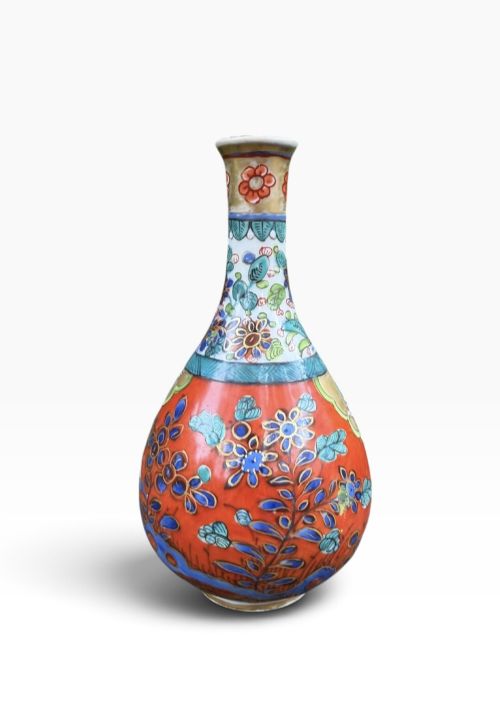
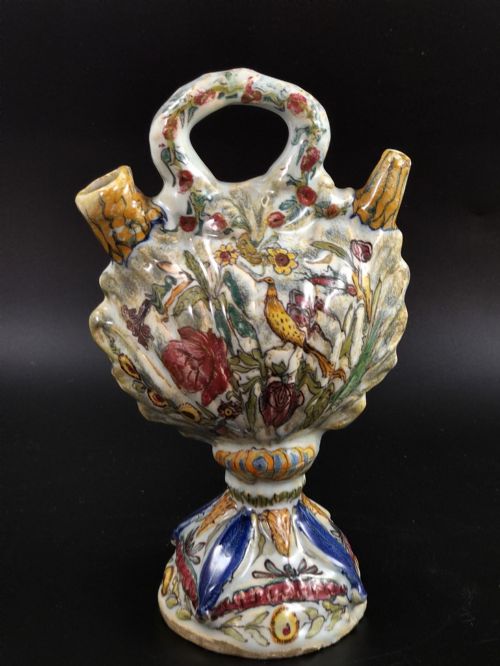
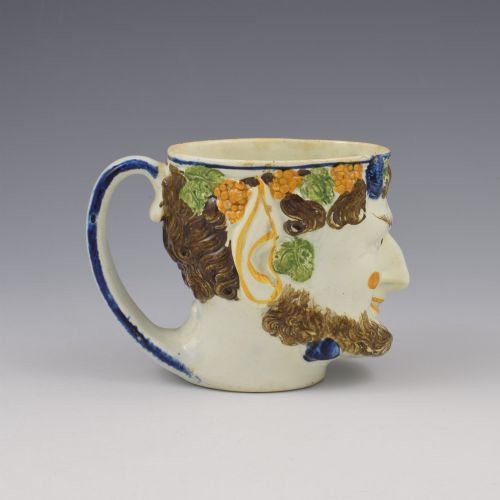
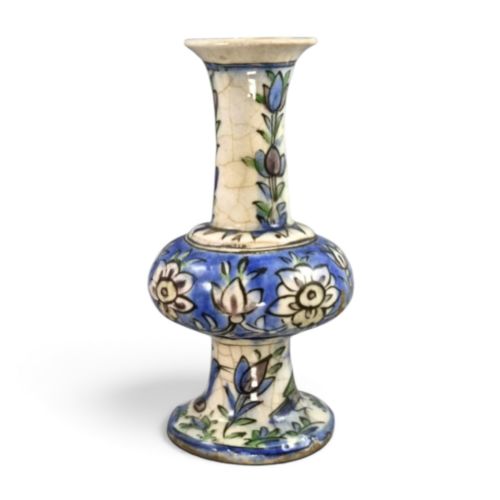
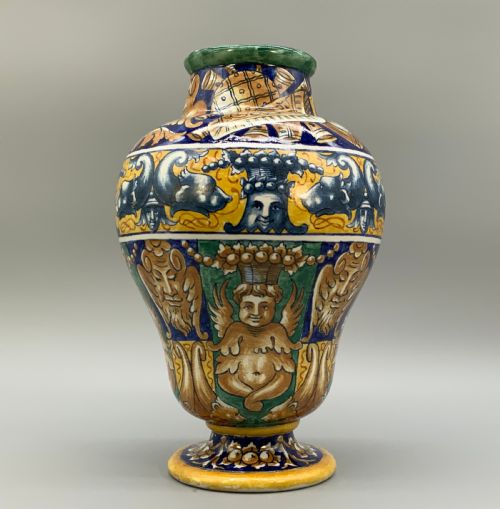
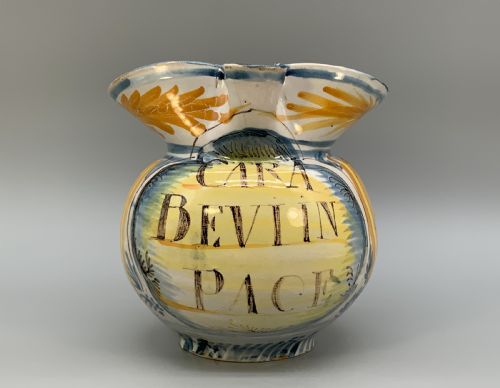
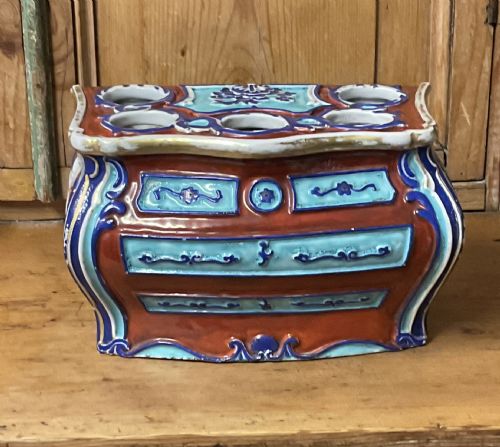
A polychrome pottery vessel encompasses a wide range of historic ceramic containers, including vases, pharmacy jars, pilgrim flasks, and tankards. The selections on this page lean heavily towards pieces originating from East Asia, Italy, and England, spanning centuries of global trade and domestic production.
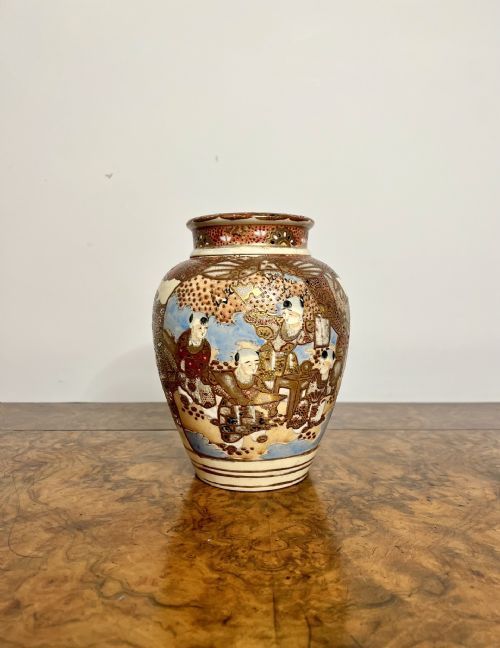
Buyers will encounter functional apothecary items alongside decorative display pieces. Italian Majolica drug jars, Japanese Satsuma wares, and Chinese porcelain vases dominate the visual landscape, each demonstrating distinct regional traditions in shape and purpose.
These items range from robust earthenware mugs to delicate porcelain jars. Whether sourced from Georgian Staffordshire potteries or Meiji period Japanese workshops, each piece reflects the specific utilitarian or aesthetic demands of its original maker.
Materials and technique
Makers utilised earthenware, porcelain, and stoneware as the physical foundation for these items. Potters shaped the clay by hand or on the wheel before applying specialised tin glazes or clear lead glazes to prepare the surface for pigments.
Vivid pigments in manganese, yellow, and various enamel colours were painted directly onto the raw glaze or unfired surface. Subsequent kiln firings melted these mineral oxides into the glaze, fixing the bright polychrome palette permanently onto the vessel body.
Polychrome Pottery Vessel Retail Price Guide 2026
Typical asking prices for polychrome pottery vessel among the pieces listed under this phrase on Sellingantiques today, from the lower quarter to the upper quarter. They describe what is for sale here now, not the wider market.
The listings span from the eighteenth century through the twentieth century, incorporating porcelain, earthenware, and tin-glazed ceramic materials.
Judging the standard
The precision and confidence of the brushwork separate standard production from superior examples. Master painters achieved fluid control over fine details, whereas lesser pieces display hurried strokes and muddy pigment mixing.
The clarity and brilliance of the glaze determine the visual impact of the surface. Smooth, even glaze coverage without excessive pooling or pitting allows the underlying polychrome decoration to read clearly and retain its original depth of colour.
Kizan·Kinkozan·Miles Mason·Gao Hengsheng
The Polychrome Pottery Vessel Glossary
- Majolica
- A type of tin-glazed earthenware decorated with opaque colours over a white background. It originated in Italy and became widely imitated across Europe.
- Satsuma
- Japanese earthenware pottery characterised by a fine crackle ivory glaze decorated with intricate enamels and gold leaf. It was largely produced for export during the Meiji period.
- Albarello
- A cylindrical pharmacy jar used to store dried herbs, ointments, or syrups in apothecary shops. The hourglass shape allowed pharmacists to grip the jar easily on crowded shelves.
- Clobbered
- A term describing older porcelain or pottery that received secondary overglaze decoration and re-firing at a later date. This practice often added bright colours to plain or blue-and-white imports.
Polychrome Pottery Vessel: Frequently Asked Questions
What is a polychrome pottery vessel?
A polychrome pottery vessel is a ceramic container decorated in two or more colours. These pieces include items made from earthenware, porcelain, and tin-glazed clay.
Craftsmen across different centuries and regions used diverse pigments and glazes to ornament these functional and decorative objects.
How were pharmacy jars used?
Apothecary jars held dry drugs, medicinal herbs, and pharmaceutical ointments in historic dispensaries. Their shapes kept contents secure and identifiable on shop shelves.
Pharmacists labelled these containers clearly so medicinal ingredients remained organised and protected from moisture.
How do I care for antique ceramics?
Keep ceramic vessels away from direct sunlight to protect enamel pigments from fading over time. Dust them gently with a dry, soft cloth rather than using liquid cleaners.
Avoid placing them in areas subject to sudden temperature changes, which can stress historic glazes and bodies.
How can I distinguish period styles?
Examine the base material, glaze characteristics, and pigment choices to identify the likely origin. Japanese Satsuma pieces show distinctive crackle glazes, while Italian Majolica relies on tin-glazed earthenware.
Comparing the painting style against known regional traditions helps narrow down the manufacturing date and location.