



Polychrome Glazed Pottery Ornaments
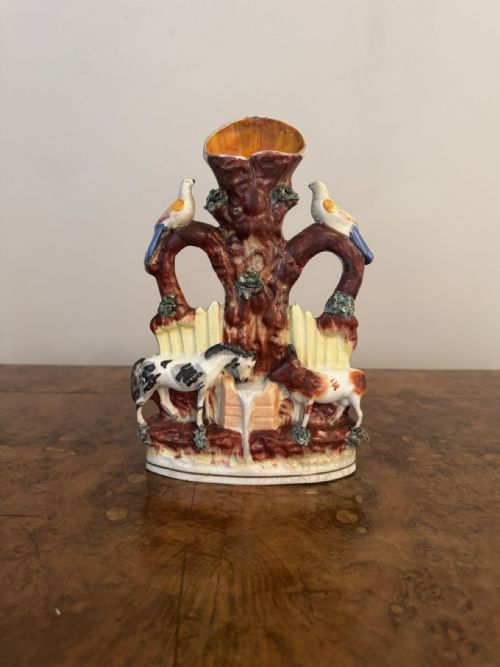
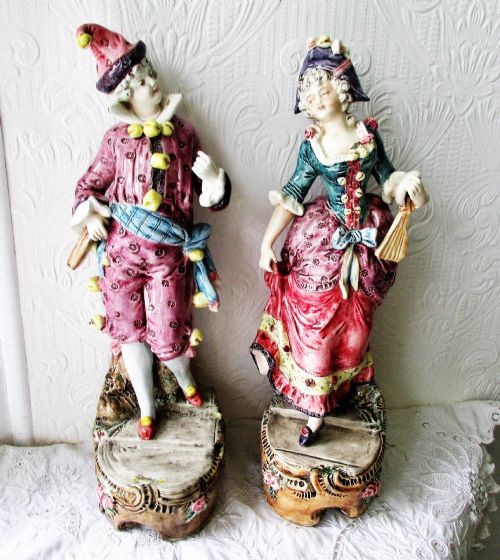
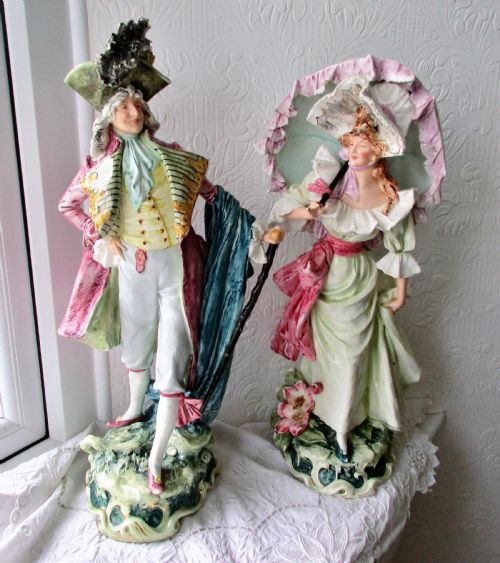
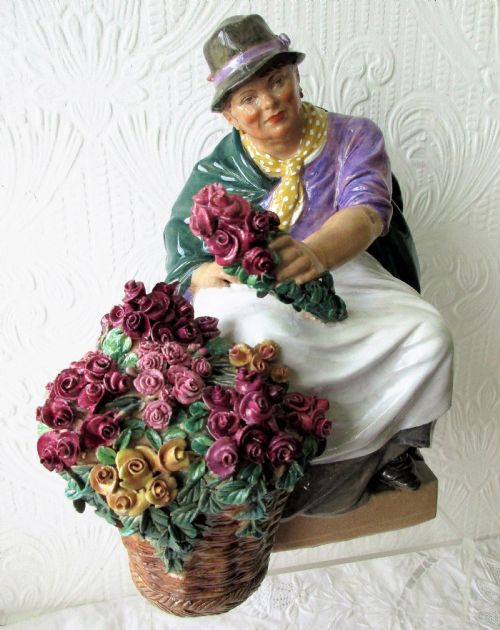
These polychrome glazed pottery ornaments bring cabinet shelf character, spanning Victorian Staffordshire pairs to French faience and Japanese Satsuma figures.
Polychrome Glazed Pottery Ornaments
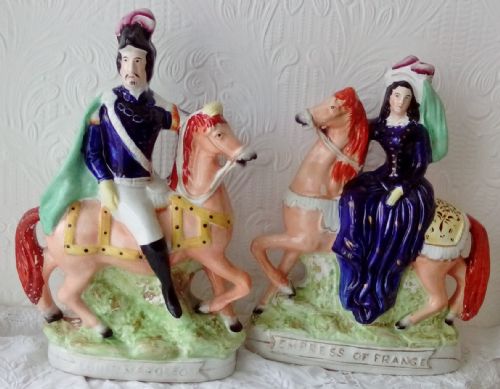
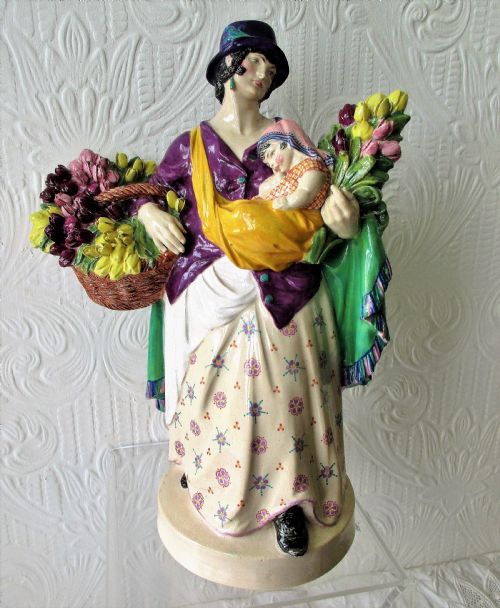
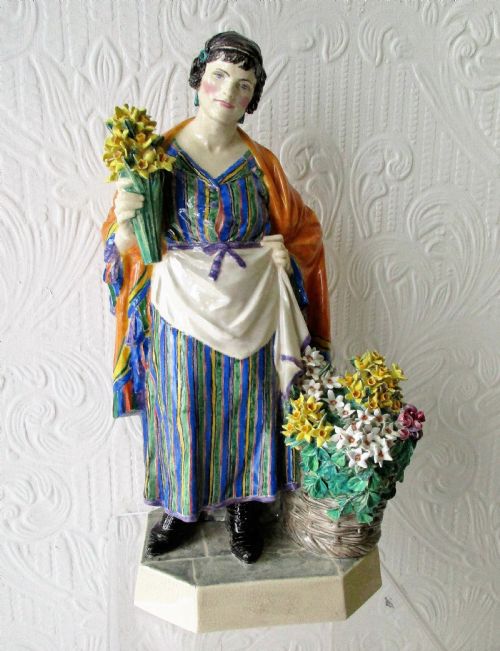
When buyers search for polychrome glazed pottery ornaments, they encounter figurative ceramics spanning several centuries and origins. The selection centres heavily upon nineteenth century Victorian Staffordshire flatbacks and figures, alongside French earthenware pairs and English studio pottery.
Forms range from historical subjects and literary characters to animal studies and spill vases. Pieces vary from simple earthenware cottage models to elaborate Japanese Satsuma okimono and Chinese porcelain ducks.
Materials and construction
Makers utilised earthenware, pearlware, ceramic, and porcelain bodies as bases for colourful glaze and enamel decoration. Gold leaf and multi-coloured glazes define the surface finish across many English and continental European pieces.
Potters shaped figures through moulding or studio throwing before applying high-temperature glazes or low-fired enamels. Sancai glazes appear on Ming style and Tang dynasty style figures, while pearlware provides a smooth white ground for early painted details.
Victorian potters happily immortalised smugglers, literary tipplers, and French emperors in cheerful glazed clay.
Judging quality in coloured ceramics
The vibrancy and retention of the polychrome glaze dictate visual appeal. Finer examples maintain clean glaze separation without running, while superior modelling brings depth and individual character to human and animal subjects.
Charles Vyse·Mabel Lucie Attwell Shelley·Ralph Wood·Mexborough
The Polychrome Glazed Pottery Ornaments Glossary
- Staffordshire flatback
- A figure modelled primarily for display against a wall, leaving the reverse unglazed and flat. These Victorian ornaments often depict literary heroes, historical events, or domestic scenes.
- Pearlware
- A refined earthenware developed in the eighteenth century featuring a thin glaze with a faint bluish tinge over a white body. It served as a popular ground for bright polychrome painting.
- Okimono
- A Japanese decorative freestanding figurine designed for display on a household shelf or tokonoma. They frequently portray deities, folklore figures, or daily life subjects in intricate detail.
- Faience
- European tin-glazed earthenware produced across France and other regions. The technique allows for colourful painted designs applied directly onto an opaque white enamel surface.
- Sancai
- A traditional three-colour lead glaze technique originating in Chinese ceramics. It typically combines amber, green, and cream tones that blend naturally during firing.
Polychrome Glazed Pottery Ornaments: Frequently Asked Questions
What periods do these ceramic ornaments cover?
The pieces span from the eighteenth century through the nineteenth century and into early twentieth century Art Deco and studio pottery eras. Major representation comes from Victorian Staffordshire makers and Meiji period Japanese workshops.
Earlier examples include Georgian pearlware groups, while later items encompass twentieth century French faience and English studio creations.
How do I display Staffordshire flatback figures?
Staffordshire flatbacks were designed to sit on mantelpieces or shelf backs where their unglazed rear sides remain hidden from view. Pairing symmetrical figures enhances mantel balance.
Keep them away from direct sunlight to preserve the hand-painted polychrome enamel details and gold leaf highlights over time.
What is the difference between earthenware and porcelain?
Earthenware uses porous clay fired at lower temperatures, requiring a glaze to achieve watertightness and provide a surface for colourful enamels. Porcelain employs refined white clay fired at much higher temperatures.
Porcelain results in a vitrified, non-porous body that often rings when tapped, whereas earthenware remains heavier and more opaque.
How should I clean antique glazed pottery?
Dust figures gently with a soft, dry brush to prevent accumulation in crevices and around delicate painted details. Avoid harsh chemical cleaners or soaking.
If washing is necessary, use lukewarm water with mild soap and dry immediately with a lint-free cloth, taking care around gold leaf.