
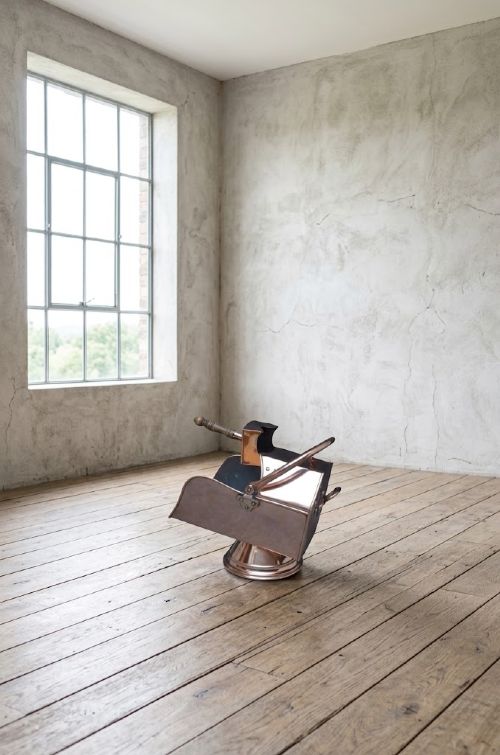


Polished Copper Bucket
A polished copper bucket brings warmth and utility to a hearth, combining practical fuel storage with reflective metal surfaces.
Polished Copper Bucket
When you search for a polished copper bucket, you encounter functional vessels originally designed to hold coal, logs, or kindling near a fireplace. These utilitarian objects often double as planters, jardinieres, or wine coolers, depending on their form and period.
The selections span Georgian, Victorian, and Edwardian eras alongside Arts and Crafts and Art Deco examples. Many pieces take the shape of helmets or cylindrical buckets with brass and iron mounts.
On this page, you are most likely to meet Victorian and George III copper coal scuttles and riveted log buckets. These range from helmet-shaped vessels with swing handles to plain cylindrical pots utilised for hearth organisation.
Materials and construction methods
Makers formed these vessels primarily from sheet copper, joining seams with visible hand-beaten rivets or soldered joints. Brass handles, swing bails, and feet provide structural contrast and durability.
Some examples incorporate oak bodies or wrought iron fittings, particularly on pieces intended for heavy logs. The metal surfaces received extensive polishing to highlight the natural reddish hue of the copper.
One unusual survivor is a German artillery shell from nineteen fifteen transformed into a decorative trench art bucket bearing the British Royal Artillery coat of arms.
Assessing craftsmanship and proportion
Quality rests in the weight of the metal and the integrity of the construction. Thicker gauge copper maintains its shape under heavy loads of coal or wood without denting easily.
Refined pieces show careful attention to detail in the mounting of brass handles and the neatness of the riveted seams. The balance of the swing handle and the stability of the base distinguish finer examples from standard utility items.
William Soutter & Sons
The Polished Copper Bucket Glossary
- Coal scuttle
- A container designed to hold coal for a fireplace, typically featuring a sloping rim or a hinged lid for easy pouring. Many examples include a shovel compartment at the back.
- Jardiniere
- An ornamental pot or stand for holding plants or flowers, often manufactured from copper or brass. These decorative vessels frequently serve alternative roles as wine coolers.
- Helmet scuttle
- A coal bucket shaped with a flared, pointed rim reminiscent of a classical helmet. This design allows coal to be tipped cleanly into a grate.
- Rivet
- A mechanical fastener used to join overlapping sheets of copper. Hand-formed rivets provide both structural strength and visual texture on older buckets.
- Swing bail
- A curved handle attached to opposite sides of a bucket that swings freely. It permits balanced lifting and carrying of heavy fuel.
Polished Copper Bucket: Frequently Asked Questions
How were these copper buckets originally used?
These vessels served primarily beside the hearth to transport and store coal or logs for domestic fires. Their reflective surfaces brightened dim Victorian and Georgian rooms by catching the firelight.
Over time, many of these containers transitioned into decorative roles as indoor plant holders, umbrella stands, or wine coolers in reception rooms.
How do I polish a copper bucket?
Maintenance involves applying a proprietary metal cleaner with a soft cloth to remove oxidation and restore the bright finish. Gentle circular motions lift surface tarnish without scratching the soft copper.
Many owners prefer to leave a mellow, aged patina rather than achieving a mirror-like shine, depending on the period of the piece.
Can I use an antique copper bucket for logs?
Sturdy riveted vessels handle logs and kindling effectively, provided the internal base remains sound and dry. Placing damp wood directly inside can accelerate corrosion and interior staining.
Lining the bottom with a protective tray helps preserve the metal if you store heavy firewood indoors.
How do I tell a Georgian bucket from a Victorian one?
Georgian examples, particularly from the George III period, often display simpler, heavier hand-hammered construction with understated brass fittings. Their lines tend to follow classical proportions.
Victorian and Edwardian items frequently utilise machine-rolled sheet metal, standardised rivets, and more ornate decorative embossing associated with Arts and Crafts or Art Nouveau tastes.