



Polished Brown Wood Carving
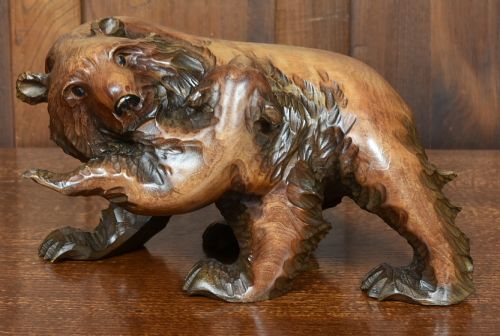
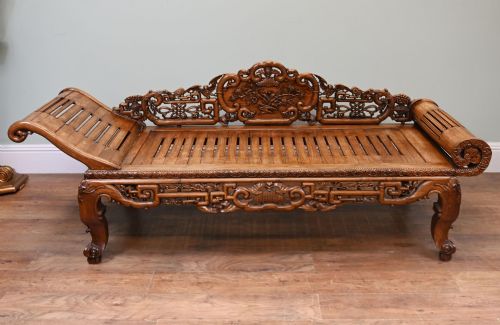
These pieces of polished brown wood carving range from detailed figures to rootwood tables, bringing organic warmth and rich grain to a room.
Polished Brown Wood Carving
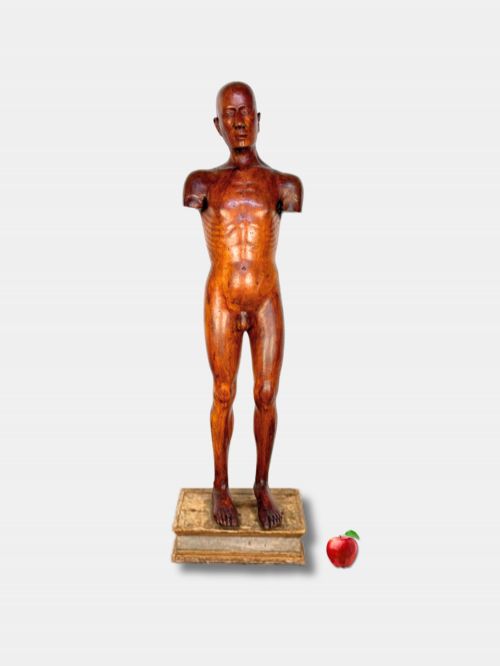
The selection ranges from small bookends and wall masks to larger side tables and corner cupboards. Figurative works dominate, depicting men, women and warriors with varied stylistic influences from Qing Dynasty to colonial and folk art traditions.
Origins span France, Italy, China, Japan and the South Seas, reflecting diverse carving traditions and material choices. Pieces date from the eighteenth century through to the early twentieth century, showing distinct period characteristics in their form and finish.
How they were made
Carvers utilised solid timbers such as mahogany, teak, oak and unspecified hardwoods alongside gnarled root wood to build these forms. The natural grain of the wood provides the primary visual texture, enhanced by polished surfaces and occasional lacquer.
Some items incorporate mixed media elements, pairing the carved wood with brass mounts, mother of pearl inlay, deep quartz tops or coconut shell. Articulated figures employ internal joints to allow movement, while sculptural hall chairs and side tables integrate carving directly into structural furniture.
Polished Brown Wood Carving Retail Price Guide 2026
Typical asking prices for polished brown wood carving among the pieces listed under this phrase on Sellingantiques today, from the lower quarter to the upper quarter. They describe what is for sale here now, not the wider market.
Listings feature items from the 18th century, Georgian period, 19th century and early 20th century, utilising mahogany, teak, oak, root wood and brass.
What varies in quality
The choice of material and the condition of the polished finish dictate the visual impact of each piece. Objects that retain their original brass mounts, integrated stone tops or fully functioning articulations demonstrate higher craftsmanship.
V . Ramirez·Boudewijn Tuerlinckx
The Polished Brown Wood Carving Glossary
- Root wood
- Timber sourced from the root system of a tree, prized by carvers for its twisted, gnarled grain patterns that suggest organic shapes. It appears frequently in Chinese decorative objects.
- Artist lay figure
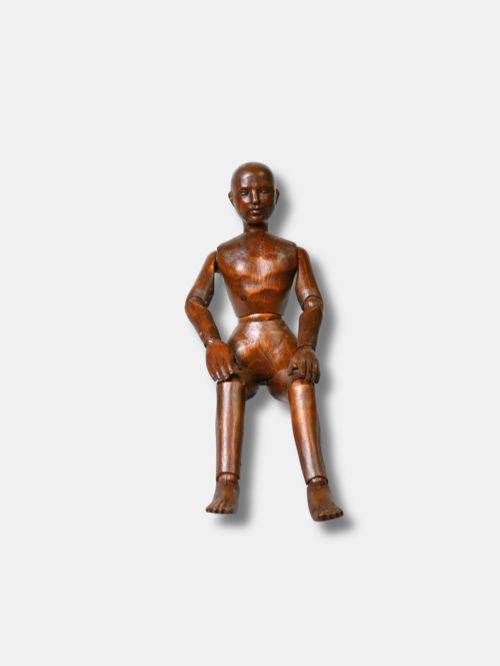
- An articulated wooden mannequin used by painters and sculptors to study human anatomy and drapery. These pieces feature fully moveable joints.
- Ula drisia
- A type of throwing club originating from Fiji, carved from dense island hardwood as a warrior's weapon. Examples show traditional surface carving and heft.
- Treen
- Small handmade wooden objects for domestic or personal use, ranging from boot jacks to boxes. The term encompasses utilitarian items shaped with care.
- Santos
- A carved wooden devotional figure representing a saint, typically associated with traditional religious contexts. These figures often appear with plinths.
Polished Brown Wood Carving: Frequently Asked Questions
How do I date a carved wooden figure?
Dating relies on stylistic clues, tool marks and the specific wood species used across different periods. Examining the joinery and finish helps place the object within the eighteenth, nineteenth or early twentieth centuries.
Comparative analysis with known regional traditions, such as Qing Dynasty carving or European folk art, narrows down the origin and era.
Where should I place a rootwood carving?
These organic sculptures suit tabletops, side tables or dedicated stands where their natural contours receive adequate light. Placing them away from direct heat sources protects the polished wood from drying out.
Pairing them with simpler furnishings allows the complex grain and gnarled shapes to stand out as focal points in a room.
What is an artist lay figure used for?
Painters and sculptors utilised these fully articulated wooden figures to arrange clothing and study realistic shadow and posture. Their joints move to replicate human poses accurately.
Today they function as decorative objects that display historical craftsmanship and anatomical study.
How do I care for polished hardwood?
Maintain the surface by dusting with a soft, dry cloth and avoiding harsh chemical cleaning products. Periodic application of appropriate furniture wax preserves the lustre of the polished wood.
Keep the pieces in stable room environments with moderate humidity to prevent the timber from splitting.