



Polish Metalware
Polish metalware brings together practical copper, brass, and pewter vessels shaped across the eighteenth and nineteenth centuries for domestic service.
Polish Metalware
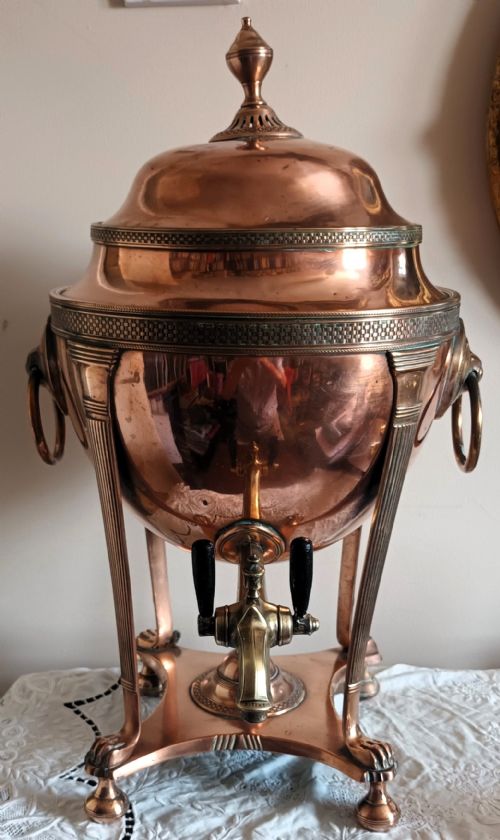
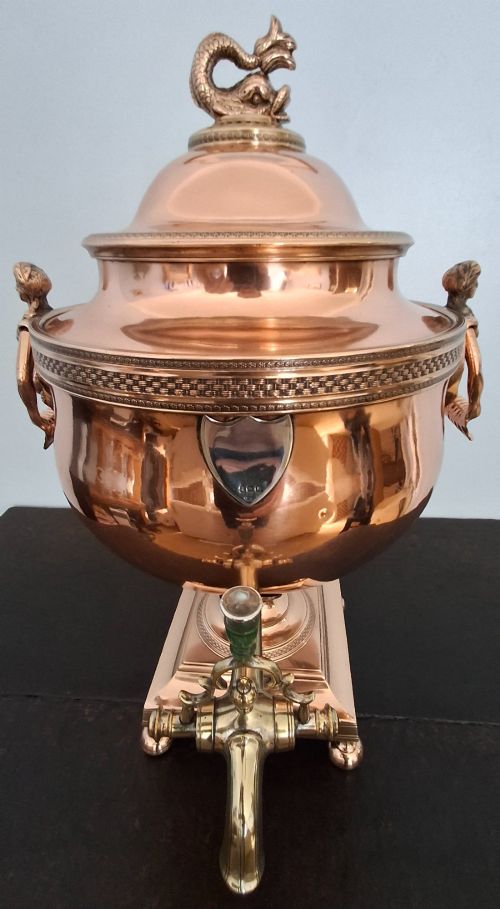
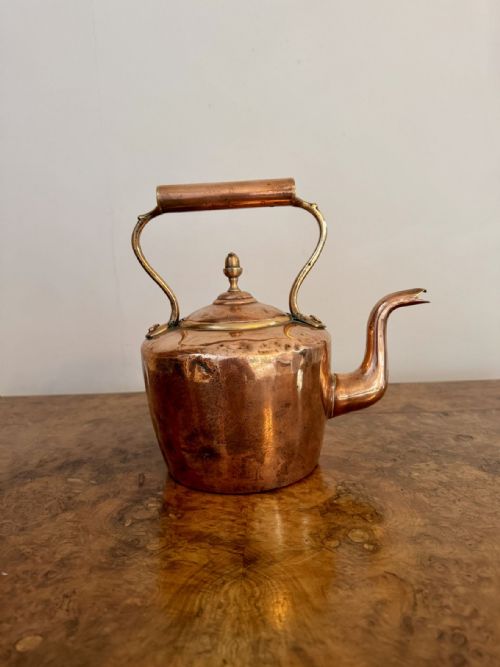
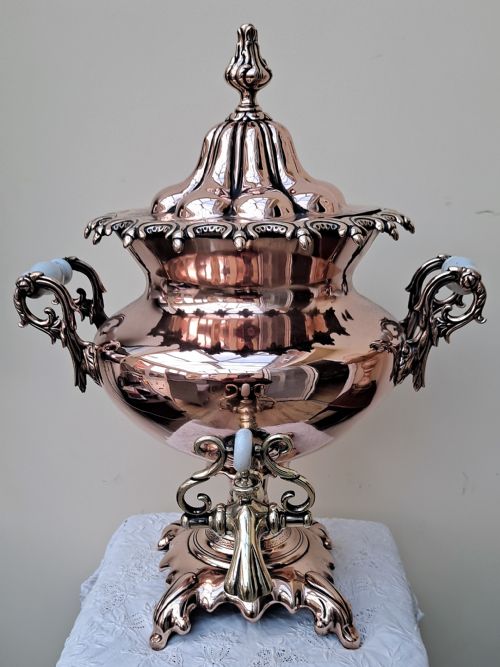
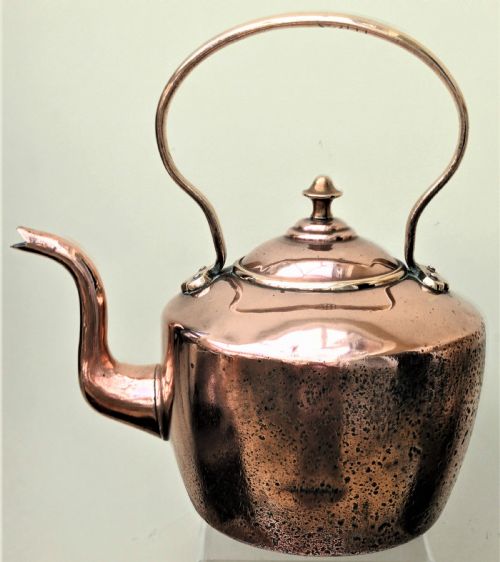
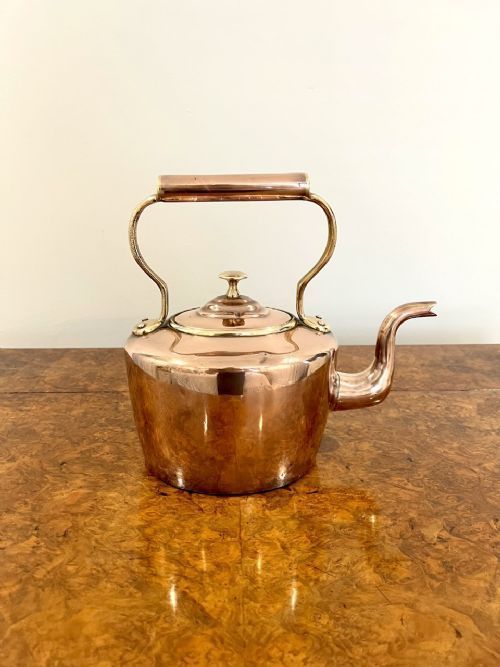
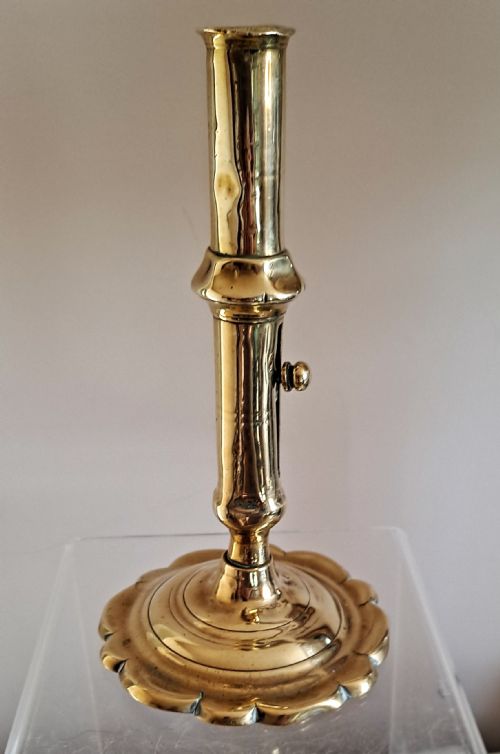
When you search for polish metalware, you encounter domestic items designed for heating water, pouring liquids, and illuminating rooms. The selection here leans heavily towards nineteenth-century copper kettles, tea urns, samovars, and Georgian brass candlesticks.
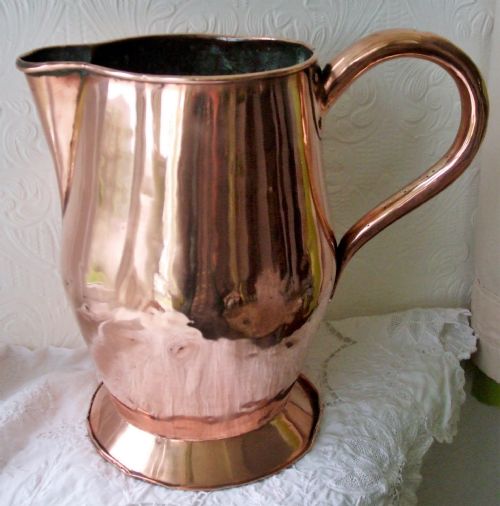
Vessels span utilitarian kitchen tools and decorative parlour objects from the Georgian, Victorian, and Edwardian eras. Forms range from small measures and coffee pots to large watering cans and floral relief trays.
Origin and period dictate the character of each piece, linking utilitarian heritage with decorative craftsmanship. Pieces reflect specific domestic routines of their time, from boiling tea to lighting dark halls.
Construction and materials
Makers shaped these items primarily from copper and brass, often combining both metals on a single kettle or urn for handles and spouts. Pewter and chrome appear in later Arts and Crafts and Art Deco pieces, expanding the aesthetic range beyond traditional kitchen metals.
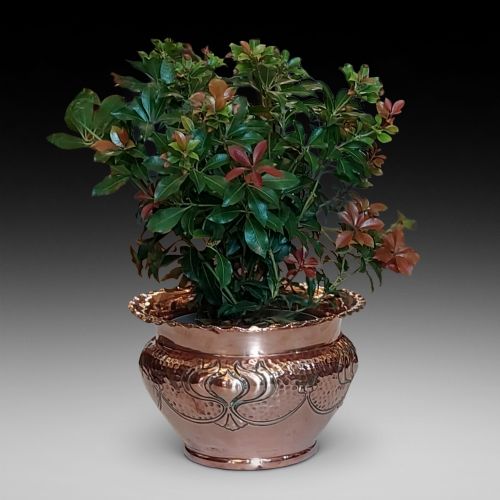
Construction techniques involve heavy-gauge sheet metal formed by hand or spinning, joined with seams and rivets suited to daily heat and wear. Surface finishing ranges from plain utilitarian polish to elaborate Art Nouveau floral relief and Celtic revival ornamentation.
Polish Metalware Retail Price Guide 2026
Typical asking prices for polish metalware among the pieces listed under this phrase on Sellingantiques today, from the lower quarter to the upper quarter. They describe what is for sale here now, not the wider market.
A brass watering can from the early twentieth century proves that indoor ferns occasionally received the same polished treatment as the tea table.
Factors that separate examples
Quality rests in the weight of the metal gauge, the crispness of applied decoration, and the integrity of the original construction. Heavier copper bodies and robust brass castings denote higher-grade domestic gear.
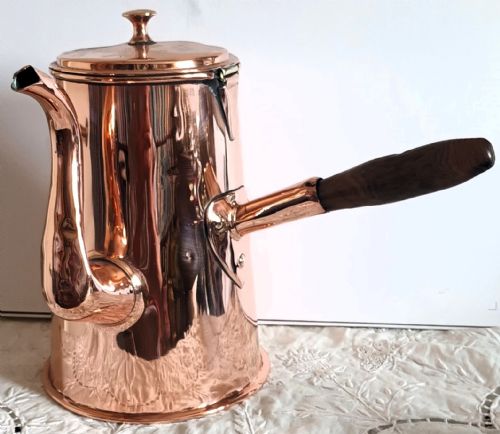
Subtle details such as petal bases on candlesticks, side-handled configurations on coffee pots, and maker signatures distinguish standard utility items from finer workshop pieces.
Beldray Ltd·Loftus of Oxford Street London
The Polish Metalware Glossary
- Samovar
- A heated metal container traditionally used to boil and heat water for tea. These vessels feature an internal vertical tube that holds burning charcoal.
- Measure
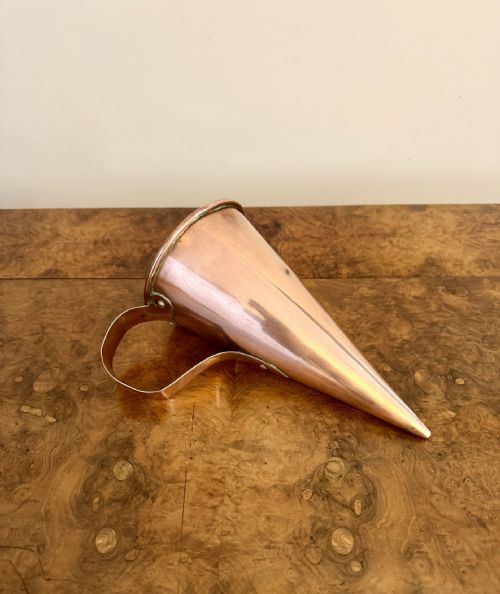
- A standardised vessel used for dispensing liquids by volume in trade or domestic service. These taper slightly from base to rim.
- Ejector candlestick
- A candlestick fitted with an internal spring-loaded mechanism to push out the remaining stub of a candle. They date primarily to the nineteenth century.
- Jersey can
- A distinctive tall metal jug with a side handle used historically for storing and transporting milk or cream on the Channel Islands.
- Chalice
- A large cup or goblet, often rendered in pewter during the Arts and Crafts movement with Celtic revival motifs.
Polish Metalware: Frequently Asked Questions
What is polish metalware?
These items comprise domestic vessels and lighting equipment fashioned from copper, brass, pewter, and chrome. They served practical roles in kitchens and parlours during the eighteenth and nineteenth centuries.
Today, collectors appreciate them for their substantial weight, material warmth, and historical utility in the home.
How were copper kettles used?
Kettles were placed directly over open hearths or coal stoves to boil water for tea and general kitchen use. Their heavy metal construction allowed them to withstand intense daily heat.
Many featured internal tinning to prevent the water from reacting directly with the copper body.
How do I date brass candlesticks?
Dating relies on base forms, construction seams, and manufacturing techniques like petal shaping or casting methods. Georgian examples often display heavier proportions and distinct casting marks compared to later Victorian pairs.
Mechanisms such as internal ejectors help narrow production down to the later nineteenth century.
How should I clean copper and brass?
Traditional items benefit from gentle cleaning that retains the warm tone accumulated over decades or centuries. Harsh abrasive polishes strip away the natural patina that collectors value.
Routine dusting and occasional light wiping keep the metal stable without removing its historical surface.