





Pocket Trinket Container
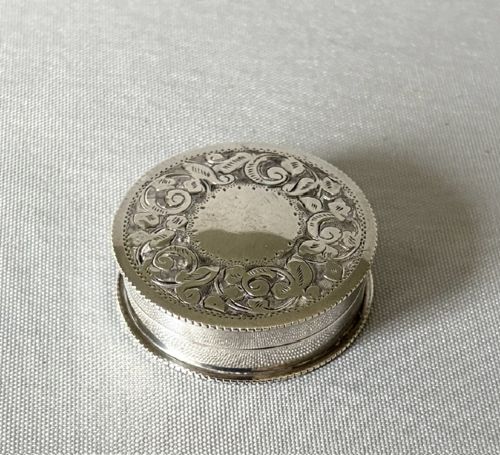
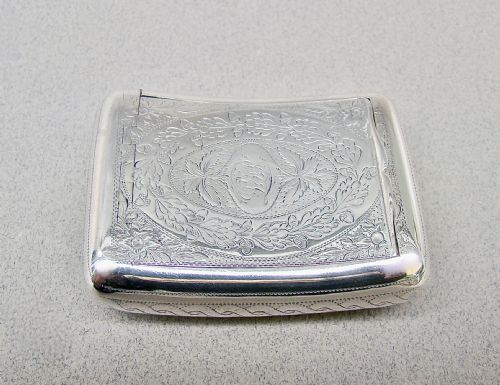
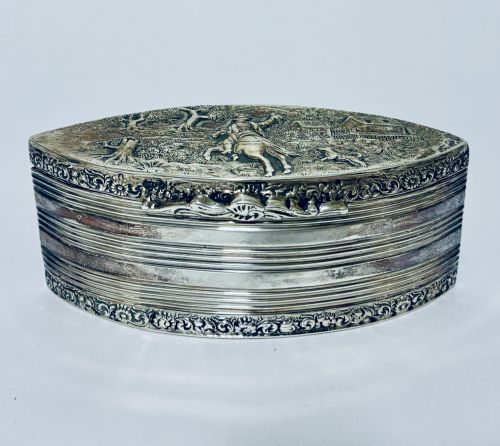
These small pocket trinket container examples are pocket-sized receptacles meant for carrying snuff, pills, or tobacco, offering a tactile slice of social history.
Pocket Trinket Container
A pocket trinket container typically takes the form of a snuff box, pill box, or small tobacco tin intended for personal carry. The pieces on this page span several eras, crossing the Georgian, Victorian, Edwardian, and mid-century periods.
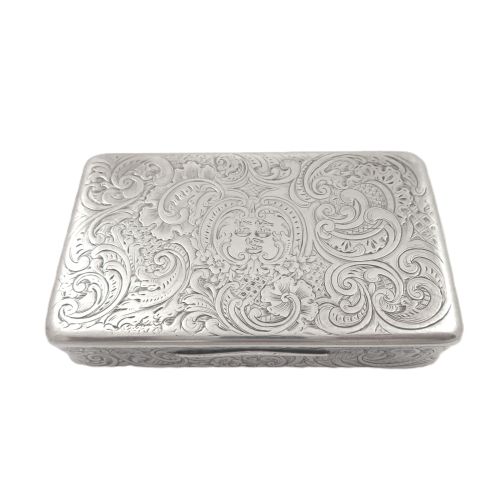
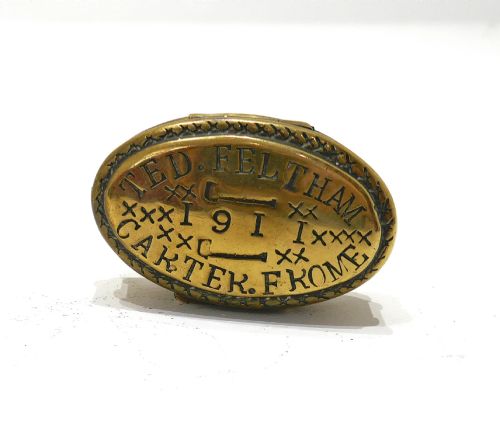
The most common formats you will encounter are silver and brass boxes, often engraved with names or dates, alongside carved examples in timber, horn, and tortoiseshell. These objects reflect personal habits and keepsake customs from the eighteenth century through to the mid-twentieth century.
Makers utilised various metals and organic materials to craft utilitarian yet ornamental pieces designed to fit snugly in a waistcoat pocket or handbag.
Materials and Construction
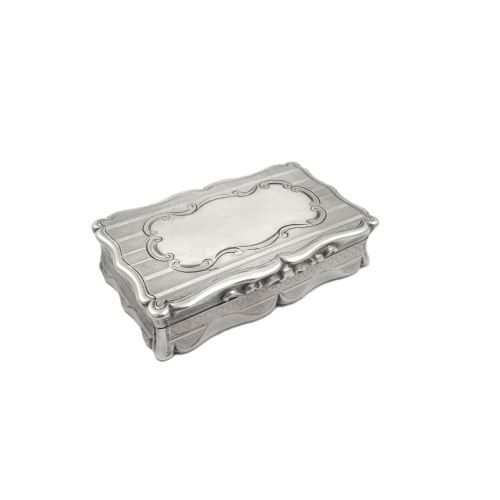
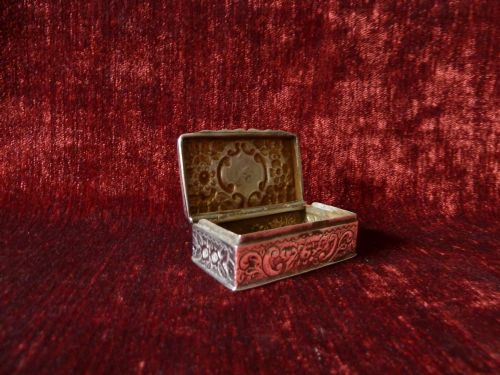
Silversmiths constructed sterling silver bodies using techniques like stamping, chasing, and hand engraving, frequently adding blue enamel or gilding to the interior. Hallmarks stamped into the metal indicate assay offices such as Birmingham, London, and Chester.
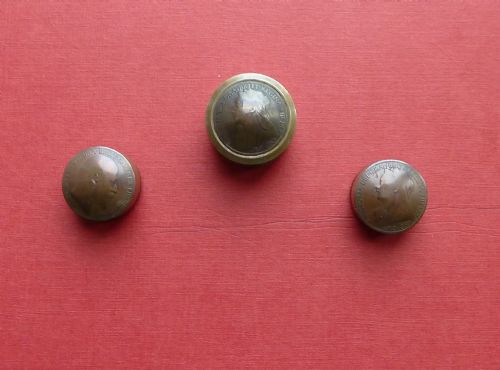
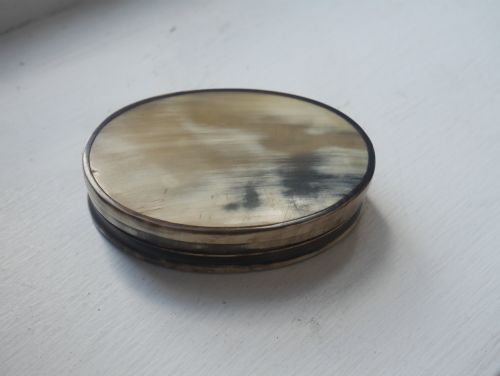
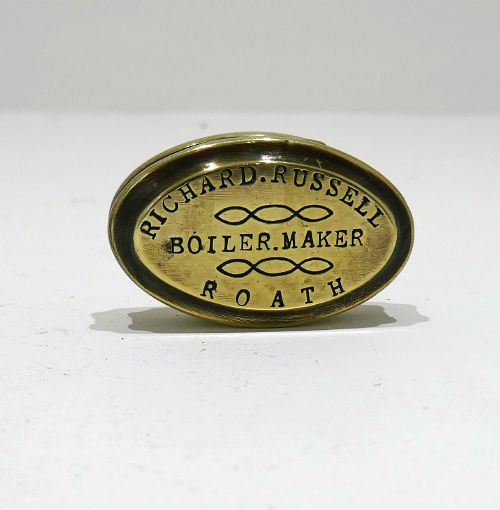
Organic materials including natural horn, tortoiseshell, coquilla nut, and specimen woods were shaped and meticulously carved to create tactile lids and tight-fitting bases. Metalware examples in brass, pewter, and painted tin often feature personalised inscriptions and punchwork decoration.
Pocket Trinket Container Retail Price Guide 2026
Typical asking prices for pocket trinket container among the pieces listed under this phrase on Sellingantiques today, from the lower quarter to the upper quarter. They describe what is for sale here now, not the wider market.
Judging Quality and Craftsmanship
Quality rests on the crispness of the hand engraving, the structural integrity of the hinge, and how tightly the lid closes against the base. Fine tactile grain in carved wood or polished horn elevates an item beyond plain utility.
Pieces bearing clear silver hallmarks or legible contemporary inscriptions by named makers command closer attention from collectors seeking verifiable provenance.
Joseph Willmore
The Pocket Trinket Container Glossary
- Hallmark
- Official stamps struck on precious metals indicating the standard of purity, the assay office, and the date letter.
- Snuff box
- A small lidded receptacle designed to hold powdered tobacco for nasal ingestion.
- Coquilla nut
- The hard, mottled brown seed of an exotic palm often used for intricate Victorian small-scale carving.
- Tortoiseshell
- The mottled brown and yellow keratin shell of certain turtle species utilised for decorative veneering and small boxes.
- Pill box
- A miniature lidded container originally used for carrying medical doses in the pocket.
Pocket Trinket Container: Frequently Asked Questions
What is a pocket trinket container used for?
These small vessels were historically carried in pockets to hold dry goods like snuff, tobacco, or medicinal pills.
Today, they serve as decorative pocket trinket container pieces for modern desks or as secure holders for small contemporary items like rings and mints.
How do I date a silver pocket trinket container?
Silver examples usually feature hallmarks that include a specific date letter, indicating the exact year the item was assayed.
Stylistic cues such as late Victorian chasing or mid-century enamel work also help narrow down the decade of manufacture.
Are wooden pocket trinket container pieces fragile?
Carved wood, horn, and tortoiseshell boxes require sensible handling to avoid cracking or surface dryness over time.
Keeping them away from direct heat sources and sudden humidity changes preserves the integrity of the material.
Why do some boxes have inscriptions?
Engraved names, dates, or personal notes indicate that many boxes were given as presentation gifts or tokens of friendship.
These inscriptions often record the original owner's profession or hometown, adding a personal historical layer to the object.