



Platinum Diamond Lapel Pin
These platinum diamond lapel pin pieces are delicate antique fasteners designed to secure a lapel while displaying fine gems.
Platinum Diamond Lapel Pin
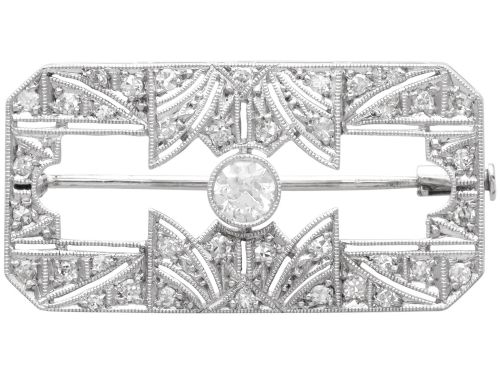
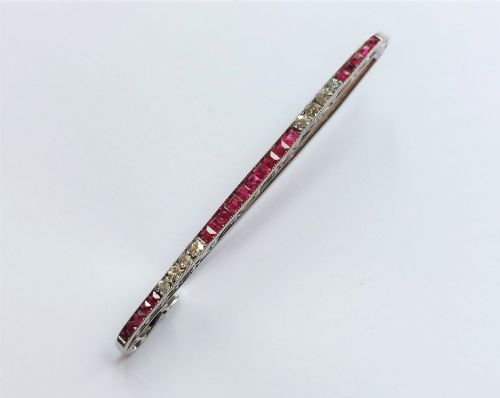
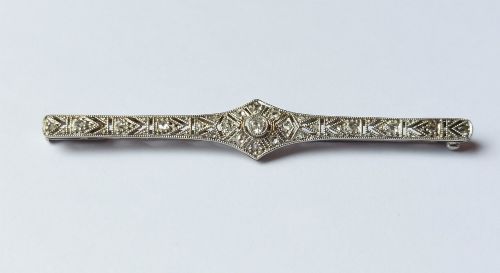
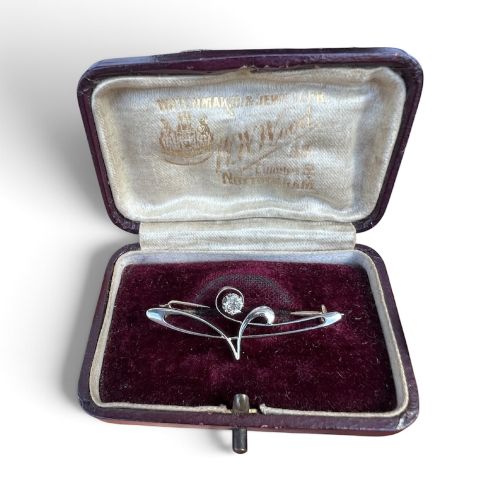
A platinum diamond lapel pin takes the form of bar brooches, stickpins, and small figurative designs like owls, ducks, and butterflies. These accessories primarily originate from the Edwardian, Art Deco, and Victorian periods.
The version you meet most often on this page is the Art Deco bar brooch or geometric pin, alongside Edwardian openwork creations. Makers utilised precious metals to mount old cut and brilliant cut stones securely.
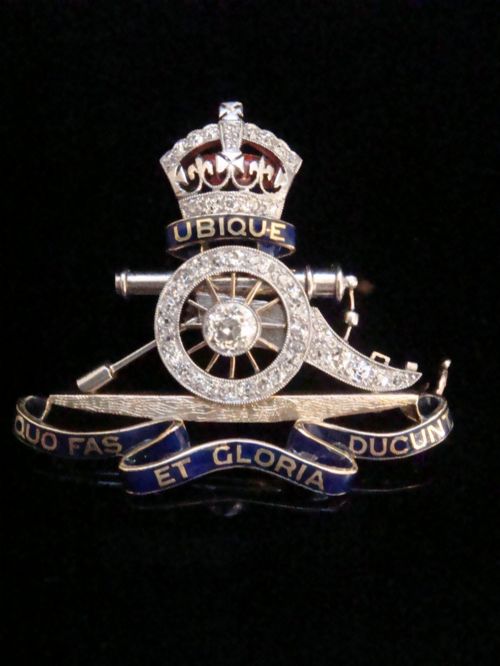
Object types stretch from traditional brooches to fob watches and jabot pins, reflecting how people accessorised formal wear across the twentieth century.
How they were made
The materials rely heavily on combinations of platinum, yellow gold, and white gold, often backing stones in silver during earlier periods. Platinum became the favoured metal for its strength, allowing jewellers to create ultra-thin settings that held diamonds without heavy metal bulk.
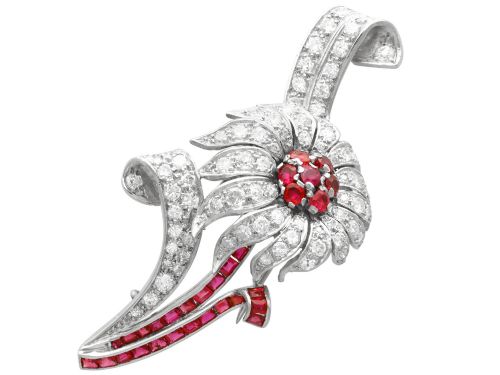
Gems such as rubies, sapphires, emeralds, onyx, and natural pearls appear alongside diamonds, mounted using precise prong, bezel, and pave techniques. Stones were frequently old cut, rose cut, or brilliant cut by hand.
Platinum Diamond Lapel Pin Retail Price Guide 2026
Typical asking prices for platinum diamond lapel pin among the pieces listed under this phrase on Sellingantiques today, from the lower quarter to the upper quarter. They describe what is for sale here now, not the wider market.
Owls, ducks, and butterflies join the rows of geometric bars, keeping watch over your lapel.
What varies in quality
Quality rests upon the crispness of the metalwork and the uniformity of the stone cutting. Superior examples demonstrate meticulous piercing and grain-setting in platinum that holds stones flush without excess metal.
The distinction between standard production and exceptional work lies in the architectural balance of the design and the life within the diamonds. Finer pieces integrate secondary gems like calibré-cut rubies or sapphires with precise symmetry.
Cartier Paris
The Platinum Diamond Lapel Pin Glossary
- Platinum
- A dense, durable white metal that gained widespread use in fine jewellery for its ability to hold delicate gemstone settings securely.
- Old cut
- A diamond cutting style characterised by a high crown, small table, and deep pavilion, designed to catch candlelight.
- Bar brooch
- A horizontal pin featuring a slender metal shaft decorated with stones, popular throughout the Edwardian and Art Deco eras.
- Jabot pin
- An ornamental pin originally designed to fasten folds of fabric on a jabot, featuring decorative ends visible from both directions.
- Pave
- A setting style where numerous small gemstones are closely set together, held by tiny metal beads so the surface appears paved with stones.
Platinum Diamond Lapel Pin: Frequently Asked Questions
How do I wear a lapel pin?
Secure the pin horizontally or at a slight angle through the lapel buttonhole or directly into the fabric, depending on the fastening mechanism. Ensure the backing is firmly attached behind the cloth to prevent loss.
These pieces suit structured wool coats, heavy blazer lapels, and evening wear scarves, adding a subtle point of light to dark fabrics.
Are these pins suitable for daily wear?
While platinum is exceptionally durable, antique pins require gentle treatment due to their age and delicate settings. Avoid wearing them during strenuous physical activities.
Store them separately in a lined box to protect the stones and delicate platinum wirework from scratching against other jewellery.
How do I date an Edwardian pin?
Examine the construction for characteristic Edwardian design motifs like garlands, bows, and lace-like platinum openwork known as millegrain. These pieces frequently combine yellow gold backs with platinum-topped fronts.
The use of natural pearls and old cut diamonds alongside lighter, airier metalwork typically points to the period around nineteen ten.
What is the difference between art deco and victorian pins?
Victorian pins tend to feature warmer yellow gold settings, larger individual stones, and naturalistic motifs like flowers or insects. They carry a heavier, more romantic aesthetic.
Art Deco pieces introduce geometric precision, platinum supremacy, and sharp lines. They favour symmetrical patterns, calibré-cut contrasting stones, and abstract forms.