




Antique Platinum Watch
An antique platinum watch brings together brilliant diamonds and bright white metal, offering a wearable piece of mid-century and art deco design.
Antique Platinum Watch
When you search for an antique platinum watch, you find delicate wristwatches, cocktail watches, and fob watches designed to sit closely against the wrist or hang from a chain. These pieces span several decades, emerging from the Edwardian era through the art deco period and into the mid-century.
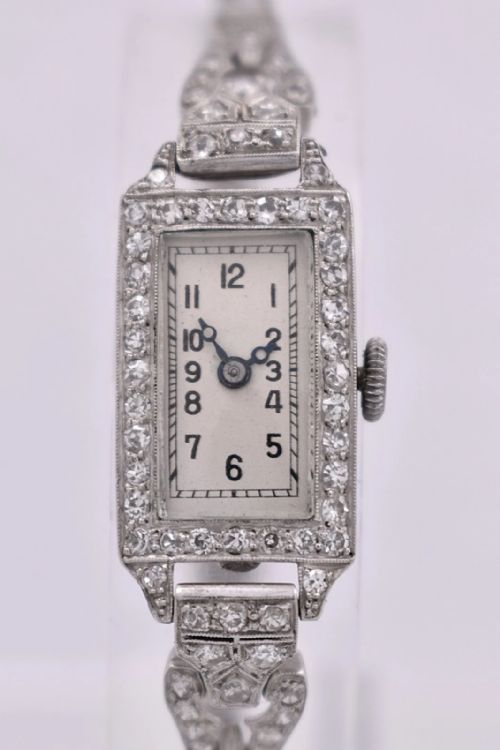
The version you are most likely to meet on this page is the diamond-set cocktail watch from the 1930s. These pieces combine bright platinum cases with detailed mesh or link bracelets in white gold and platinum.
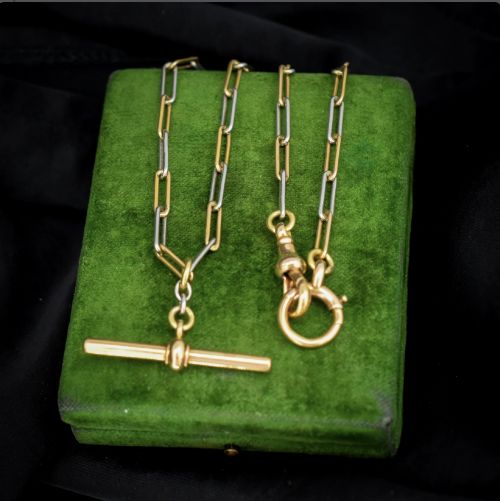
Makers such as Asprey, Vertex, and Tissot appear among the surviving examples. Alongside the watches, related items like gold and platinum chain necklaces occasionally join the selection.
Materials and construction
Platinum provides a strong, bright white metal foundation that holds small diamonds securely in tight pavé settings. This dense metal allows for fine piercing and intricate geometric detailing without risking the structural integrity of the case.
Movements inside these watches rely on Swiss jewelled lever mechanisms and manual wind systems. Artisans paired the platinum mounts with white gold mesh bracelets, glass crystals, and occasionally fabric straps.
Antique Platinum Watch Retail Price Guide 2026
Typical asking prices for platinum watch among the pieces listed under this phrase on Sellingantiques today, from the lower quarter to the upper quarter. They describe what is for sale here now, not the wider market.
Current listings feature platinum paired with white gold, 18ct gold, and fabric components.
Factors that distinguish individual examples
The scale and weight of the diamond work set the finer examples apart from simpler designs. Pieces carrying substantial carat weights across the bezel and bracelet require a higher level of stone-setting skill.
The reputation of the maker also shapes the standing of a watch, with signed dials by firms like Asprey indicating distinct workshop provenance. Furthermore, the intricacy of the metalwork, from hand-carved shoulders to flexible mesh, reflects the original maker's expertise.
Asprey·Vertex·Tissot
The Antique Platinum Watch Glossary
- Cocktail watch
- A small, highly decorative timepiece designed primarily for evening wear rather than daily timekeeping. These watches often feature abundant diamond settings that conceal the small dial.
- Art Deco
- A design style spanning the 1920s and 1930s characterised by geometric lines, symmetry, and stylised motifs. This aesthetic heavily influences the rectangular and tonneau shapes of the period.
- Swiss jewelled lever
- A mechanical escapement mechanism using tiny synthetic rubies to reduce friction in the gear train. This system improves the timekeeping accuracy of vintage manual wind watches.
- Mesh bracelet
- A flexible strap woven from fine metal wire, often constructed in white gold or platinum. It drapes smoothly around the wrist like fabric.
- Fob watch
- A pocket watch or small pendant watch attached to a chain or ribbon. Women wore them pinned to clothing or suspended from neck chains during the early twentieth century.
Antique Platinum Watch: Frequently Asked Questions
How do I wind an antique platinum watch?
Turn the crown gently between your thumb and forefinger until you feel slight resistance. Stop immediately to avoid over-winding and damaging the vintage spring.
Most of these movements require winding once a day if worn regularly. Keep the watch away from moisture since vintage glass and case joints lack modern waterproof seals.
Can I wear an antique platinum watch daily?
Platinum is a durable metal that withstands regular wear better than silver or softer gold alloys. However, the delicate diamond settings and vintage manual movements require careful handling.
Reserve these pieces for special occasions rather than rough daily tasks. Regular servicing by a specialist watchmaker keeps the internal mechanical parts running smoothly.
How do I tell an art deco watch from a mid-century piece?
Art deco watches from the 1920s and 1930s feature sharp geometric angles, stepped cases, and intricate filigree work. The diamonds are often cut in old European or single styles.
Mid-century examples from the 1950s and 1960s tend toward cleaner, more streamlined silhouettes. The transition reflects shifting tastes away from heavy ornamentation toward understated elegance.
What is the difference between a wristwatch and a cocktail watch?
Standard wristwatches prioritise clear dials and legible numbers for practical timekeeping throughout the day. Cocktail watches treat time telling as a secondary feature hidden beneath elaborate diamond pavé covers.
The smaller dials on cocktail watches often lack numerals entirely, relying on simple hands against a brushed or polished metal background.