

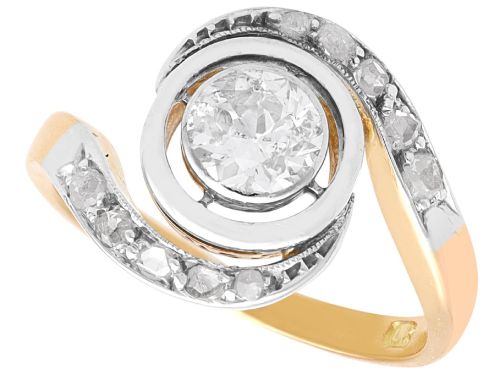
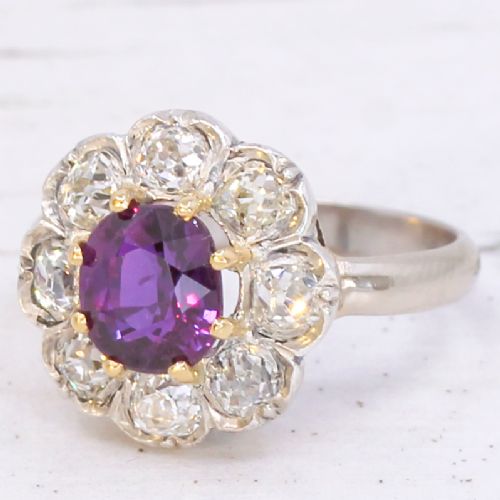
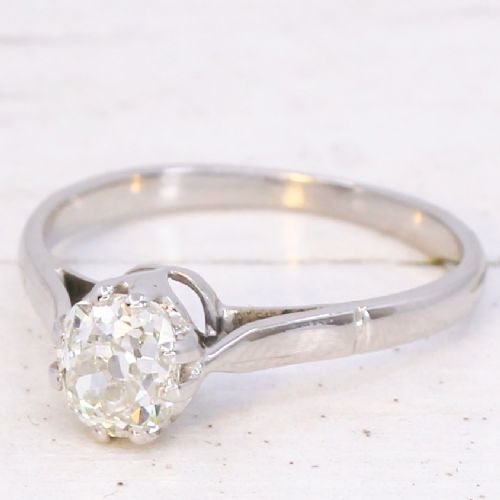
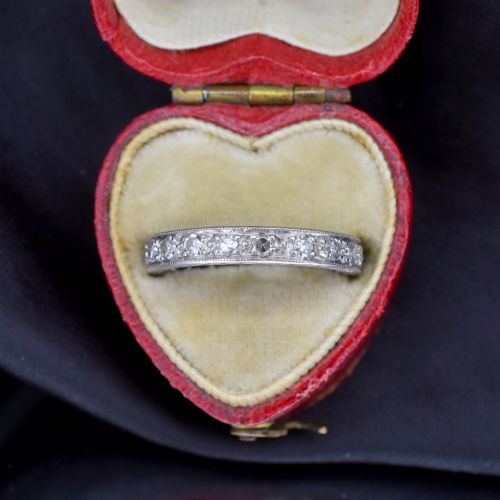
Platinum and Diamond Ring
A platinum and diamond ring brings together crisp white metal and bright stones, uniting decades of design from Edwardian delicacy to Mid-Century boldness.
Platinum and Diamond Ring
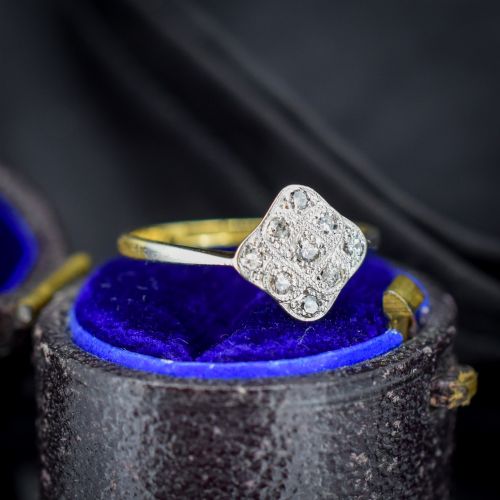
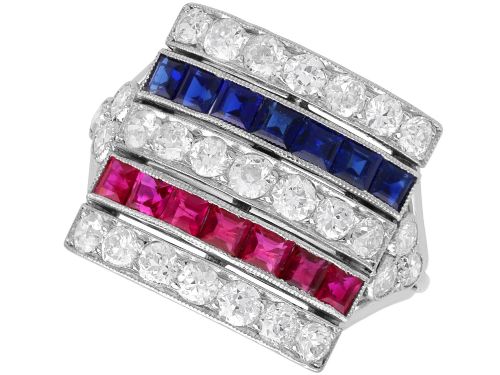
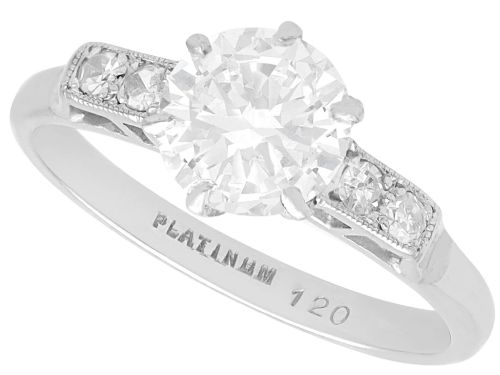
A platinum and diamond ring spans periods from the Edwardian era through the Art Deco years into the 1940s Retro and Mid-Century designs, taking the form of engagement rings, cocktail rings, dress rings, cluster rings, and wedding bands.
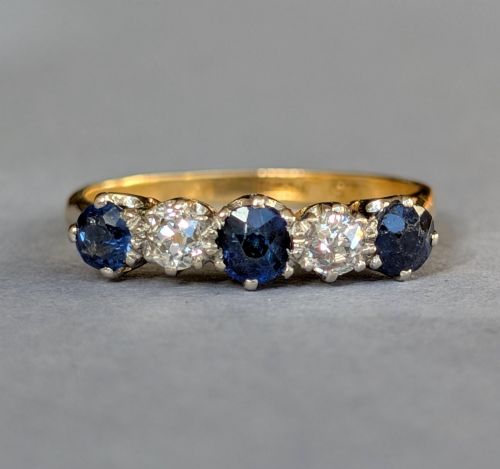
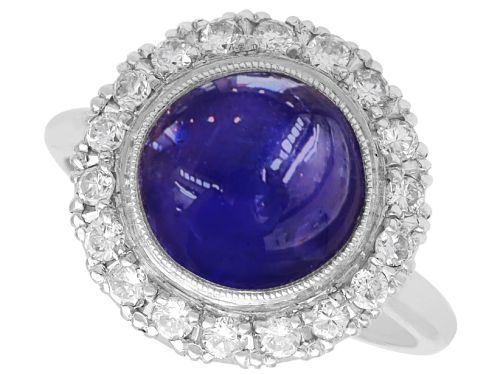
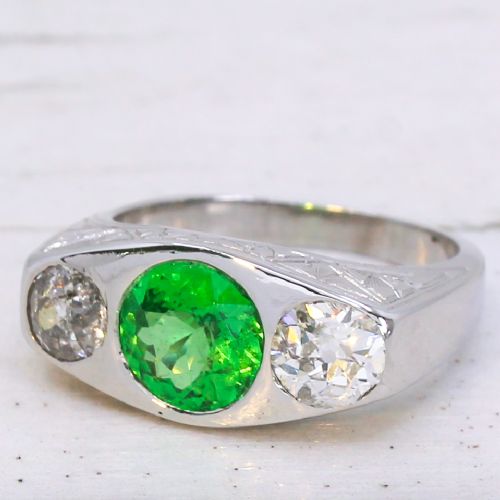
The versions met most often on this page combine platinum settings with diamonds alongside coloured stones such as sapphire, ruby, opal, aquamarine, tsavorite, and zircon.
Dating ranges from the nineteen-hundreds and nineteen-tens into the twenties, thirties, forties, and fifties, using gold alloys alongside platinum.
How they were made
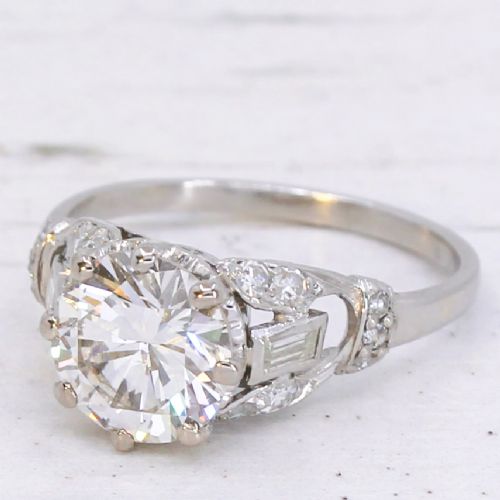
Craftsmen utilised platinum for its strength and malleability, allowing intricate openwork settings that held diamonds securely without heavy metal surrounds.
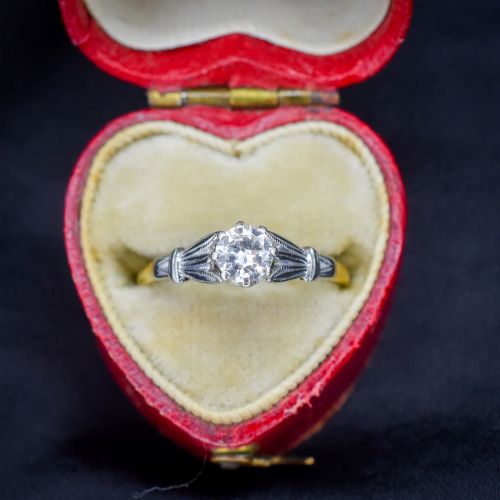
Yellow gold and white gold provided alternative or contrasting bands, often paired with platinum top mounts to showcase old cut diamonds and gemstones.
Platinum and Diamond Ring Retail Price Guide 2026
Typical asking prices for platinum and diamond ring among the pieces listed under this phrase on Sellingantiques today, from the lower quarter to the upper quarter. They describe what is for sale here now, not the wider market.
Materials recorded include platinum, diamond, sapphire, ruby, opal, aquamarine, tsavorite, zircon, and various gold alloys.
What varies in quality
Quality rests in the harmony of stone proportions, the precision of metalwork in cluster and navette layouts, and the preservation of original settings.
Design execution distinguishes standard commercial pieces from exceptional Art Deco or Edwardian creations where every facet and milgrain edge serves the overall proportion.
The Platinum and Diamond Ring Glossary
- Cluster ring
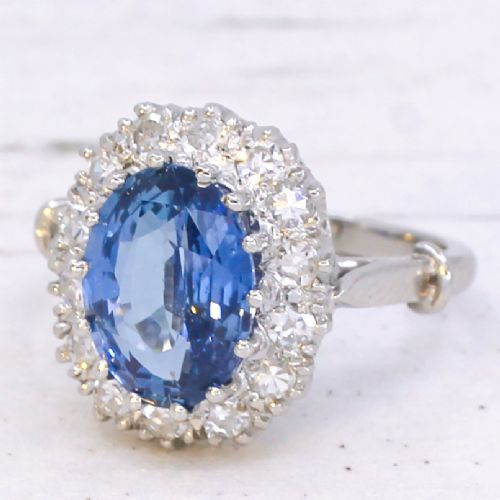
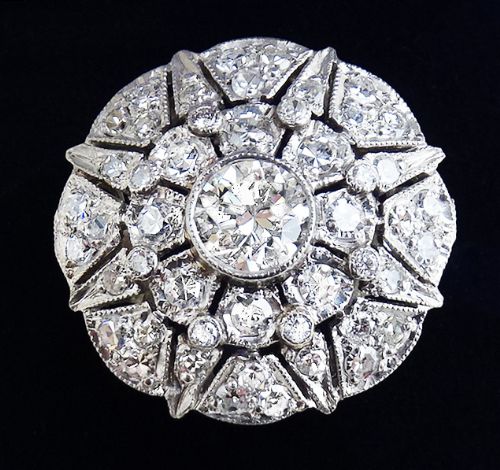
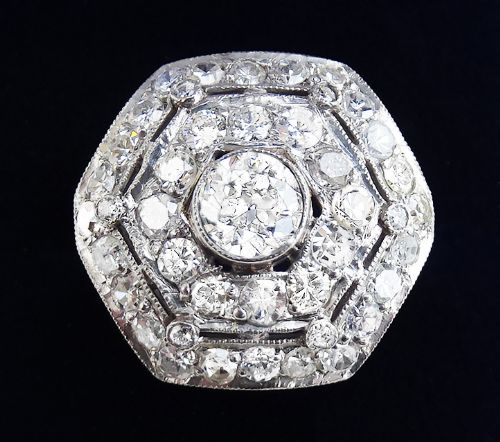
- A ring featuring a central stone surrounded by a border of smaller stones. This layout maximises visual impact and light return.
- Navette ring
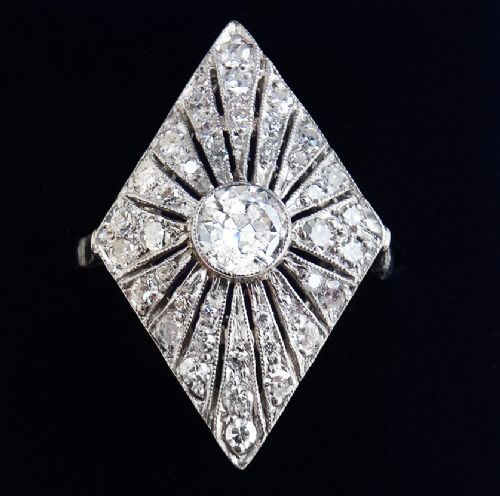
- A boat-shaped ring design pointed at both ends. It stretches elegantly along the finger.
- Old cut
- A diamond cutting style prevalent before modern brilliant standards. It displays smaller tables and deeper pavilions suited to candle or gas light.
- Milgrain
- A technique creating a textured row of tiny metal beads along the edge of a setting. It adds a refined border to Edwardian and Art Deco pieces.
- Trilogy ring
- A three-stone ring representing past, present, and future. It typically pairs a larger centre stone with two matching side stones.
Platinum and Diamond Ring: Frequently Asked Questions
How do I wear a platinum and diamond ring daily?
Platinum offers high durability for everyday wear, resisting daily knocks better than softer metals while holding claw and bezel settings firm.
Pairing the ring thoughtfully with other bands prevents rubbing against delicate gallery work or milgrain detailing.
What periods do these rings come from?
The selection spans from the Edwardian period and nineteen-hundreds through the Art Deco twenties and thirties into nineteen-forties retro and mid-century designs.
Each decade brings distinct geometric lines, floral motifs, or heavier gold work.
How do I tell an Art Deco ring apart?
Art Deco rings favour geometric symmetry, sharp angles, and strong contrasts between platinum settings and colourful gemstones like sapphires.
They stand in contrast to the softer, lace-like platinum filigree typical of earlier Edwardian pieces.
Can I wear these with coloured gemstones?
Many platinum and diamond rings incorporate sapphires, rubies, opals, and aquamarines alongside the diamonds.
These coloured stones provide vibrant focal points within cluster, navette, and trilogy configurations.