

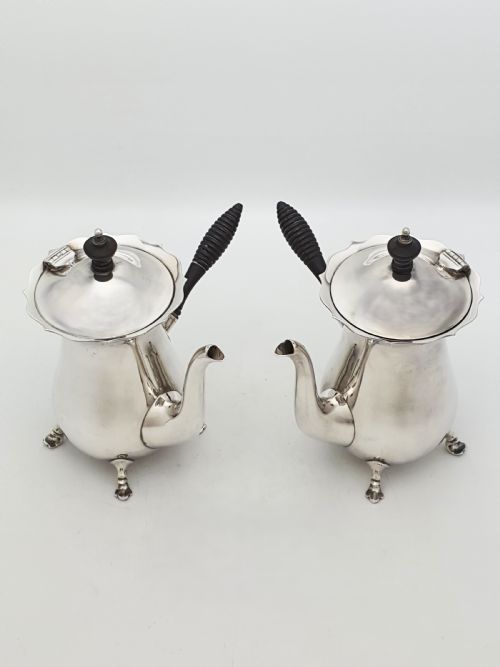


Plated Tea Pot
A plated tea pot brings nineteenth-century hospitality to the table, offering durable metal service with the gleam of silver.
Plated Tea Pot
A plated tea pot serves as the core vessel for hot beverage service across multiple historical eras. When exploring a plated tea pot on this page, buyers frequently encounter Edwardian and Victorian designs, alongside earlier Georgian and Old Sheffield examples.
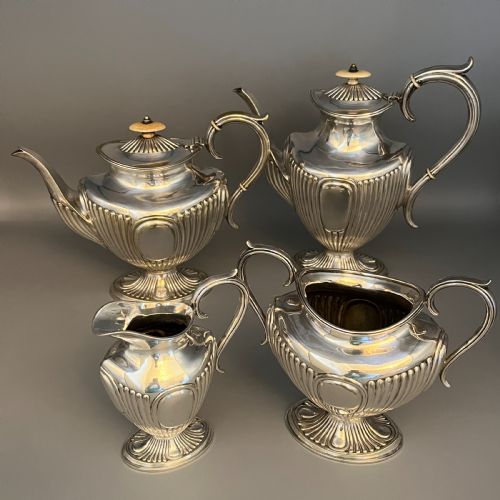
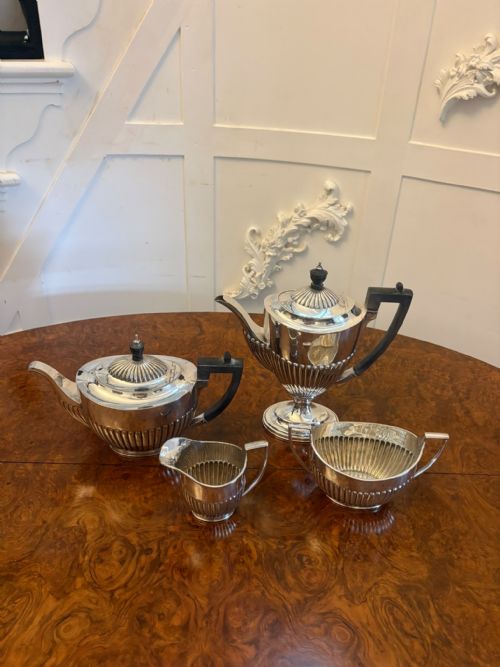
These vessels appear both as standalone items and as part of larger tea and coffee sets. Individual pots often feature matching stands, while multi-piece services include coffee pots, sugar bowls, and creamers.
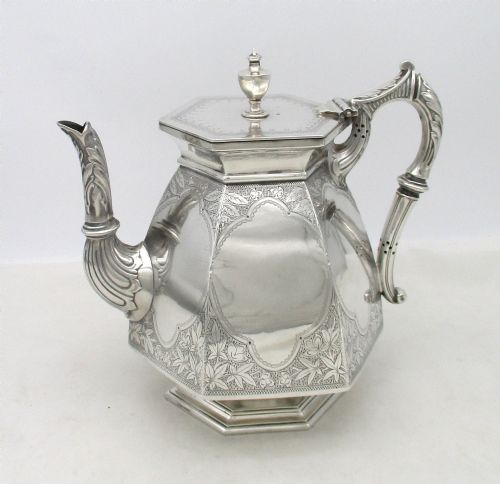
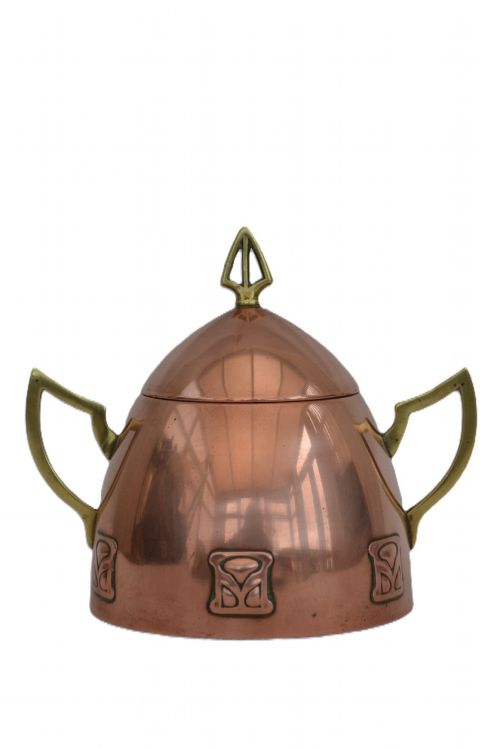
The forms range from ornate nineteenth-century shapes to streamlined Art Deco silhouettes. Most examples utilise silver plate over a base metal, though copper plating also occurs.
How they were made
Maker workshops employed silver plate and electroplated nickel silver over base metals to create a durable exterior. Old Sheffield plate involved fusing a thin layer of silver to a copper core, a method visible in early nineteenth-century pieces.
Handle and finial construction typically incorporated insulating materials such as wood, bone, or ebonised wood to prevent heat transfer during use. Ceramic components also appear in specific utilitarian forms like biscuit barrels.
Surface ornamentation relied on hand chasing, embossing, and engraved motifs, particularly within Victorian and Edwardian manufacturing traditions.
Plated Tea Pot Retail Price Guide 2026
Typical asking prices for plated tea pot among the pieces listed under this phrase on Sellingantiques today, from the lower quarter to the upper quarter. They describe what is for sale here now, not the wider market.
Early nineteenth-century makers cleverly hid copper seams by folding the silver over the edges, inventing the earliest form of metal hiding.
What varies in quality
The integrity of the plated surface determines the visual consistency and longevity of the piece. Substantial base metal foundations and crispness in chased ornamentation distinguish superior production from simpler commercial output.
Maker attribution elevates certain examples, particularly items bearing marks from established firms like Walker and Hall or Boardman Glossop and Co. The retention of original insulating handles and matching stands further influences the overall character of the service.
Walker and Hall·Boardman Glossop and Co
The Plated Tea Pot Glossary
- Old Sheffield Plate
- An early fusing technique where a sheet of silver is bonded to a copper base before forming. This method produced characteristic edges where the copper core shows slightly.
- Electroplated Nickel Silver
- A mid-nineteenth-century innovation involving the electrical deposition of a silver coating onto a nickel alloy base. It largely superseded older fusion methods.
- Aesthetic Movement
- A late nineteenth-century design style emphasising visual beauty and artistic reform over standard historical revivalism. Pieces from this movement often display stylised natural motifs.
- Café Au Lait Pot
- A tall vessel specifically designed for serving coffee alongside hot milk. These pots frequently appear in matched pairs from the Edwardian period.
- Biscuit Barrel
- A lidded ceramic or metal container utilised for storing dry biscuits on the dining table. Many examples combine ceramic bodies with silver-plated mounts and swing handles.
Plated Tea Pot: Frequently Asked Questions
Can I use my plated tea pot daily?
These vessels function adequately for serving hot water or tea during meals. Take care to empty and dry the interior immediately after use to prevent moisture damage.
Thermal shock from boiling water poured directly into a very cold pot can stress old joints, so warming the vessel gently is advisable.
How do I identify Old Sheffield plate?
Inspect the rims and high points where the silver layer may have worn thin to reveal a reddish copper hue underneath. This dual-metal structure is unique to the fusion process used before electroplating.
Weight provides another indicator, as the copper and silver sandwich tends to feel substantial compared to later lightweight electroplated wares.
What is the difference between a tea pot and a coffee pot?
Tea pots generally feature a lower, wider profile designed to steep loose leaves effectively. Coffee pots are taller and narrower to accommodate grounds and maintain heat for taller volumes of liquid.
Matching sets often pair both vessel types together alongside a shared creamer and sugar bowl.