




Plated Serving Spoons
Plated serving spoons are robust silver-plated tableware implements designed for social dining, bringing period character and practical utility to the modern table.
Plated Serving Spoons
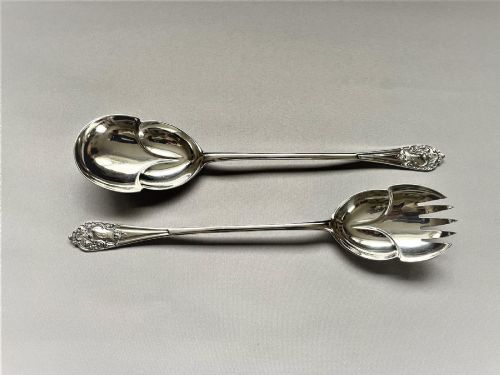
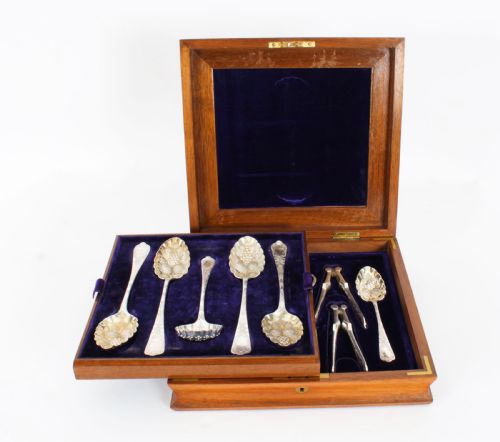
When you search for plated serving spoons, you encounter a range of dining implements spanning the Victorian and Edwardian eras. These utensils appear in various forms, including salad servers, fruit sets, and specialised pieces accompanied by wooden boxes or velvet linings.
The pieces listed here represent domestic service from the nineteenth and early twentieth centuries. You will find complete fruit serving sets alongside individual spoons and paired utensils intended for specific courses.
How they were made
Makers utilised silver plate over base metals to produce durable items for the dining table. Gilt metal and gold gilt accents frequently appear on the bowls of fruit and dessert servers to contrast with the plated handles.
Compositions often incorporate organic materials such as wood for handles, while presentation boxes feature satin and velvet linings. Cut crystal and sterling silver components also supplement set pieces.
Plated Serving Spoons Retail Price Guide 2026
Typical asking prices for plated serving spoons among the pieces listed under this phrase on Sellingantiques today, from the lower quarter to the upper quarter. They describe what is for sale here now, not the wider market.
Listings feature items from the Victorian and Edwardian periods, utilising silver plate, sterling silver, gold gilt, and wood.
What varies in quality
The distinction between standard utility items and finer examples lies in the depth of the silver plate and the crispness of any applied gilt work. Superior pieces retain their surface gilding and show minimal wear on the areas of frequent contact.
Design complexity also defines the tier of an object, ranging from simple plain bowls to heavily chased or engraved surfaces. The inclusion of original fitted boxes lined with satin or velvet indicates higher production standards.
Hukin & Heath
The Plated Serving Spoons Glossary
- Silver Plate
- A thin layer of silver applied over a base metal foundation. This technique allowed manufacturers to produce affordable tableware with the visual appeal of solid silver.
- Gilt Metal
- A base metal treated with a thin coating of gold. This process added decorative warmth and contrast to spoons and serving sets.
- Salad Servers
- A paired set of utensils, typically comprising a large spoon and fork. They were specifically designed for mixing and serving greens at the dining table.
- Spoon Warmer
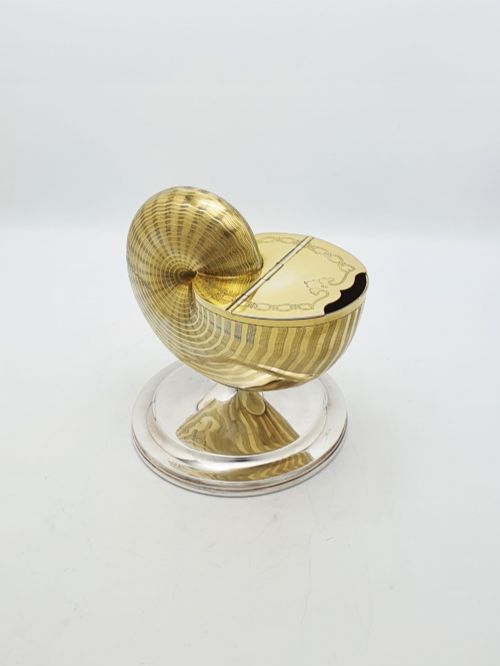
- A specialised Victorian vessel intended to hold hot water and warm spoons prior to serving. They take various ornamental forms, including marine buoy shapes.
Plated Serving Spoons: Frequently Asked Questions
What are plated serving spoons?
Plated serving spoons are nineteenth and early twentieth-century dining utensils coated in silver over a base metal. They include salad servers, fruit sets, and specialised implements.
These pieces were produced during the Victorian and Edwardian periods for domestic dining tables. They combine practical utility with period craftsmanship.
How do I clean them?
Cleaning requires mild silver polish and a soft cloth to protect the plated surface. Avoid abrasive cleaners that strip the thin layer of silver.
Take care with pieces featuring gilt metal or velvet linings to prevent moisture damage. Gentle maintenance preserves the finish of the metal.
How were spoon warmers used?
Spoon warmers held hot water to warm dining spoons before use during formal Victorian meals. Guests used warmed utensils so that rich foods did not congeal on cold metal.
These vessels sit on the table or sideboard as ornamental tableware. They appear in distinctive shapes such as marine buoys.
How do I date these spoons?
Dating relies on stylistic markers from the Victorian and Edwardian eras, alongside registration marks stamped into the metal. Presentation boxes and associated cutlery sets provide additional contextual clues.
Maker marks and hallmarks on sterling components help narrow down the production year. Examining the manufacturing technique confirms the period of origin.