

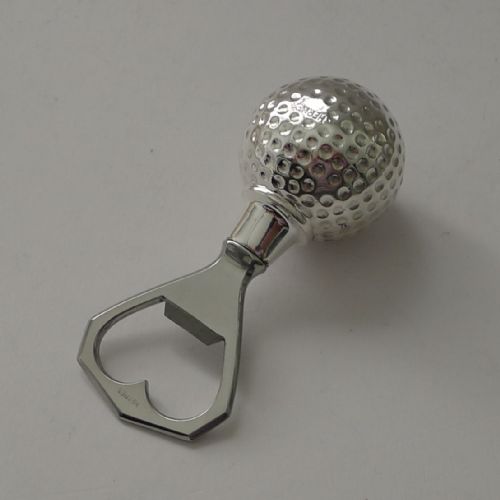
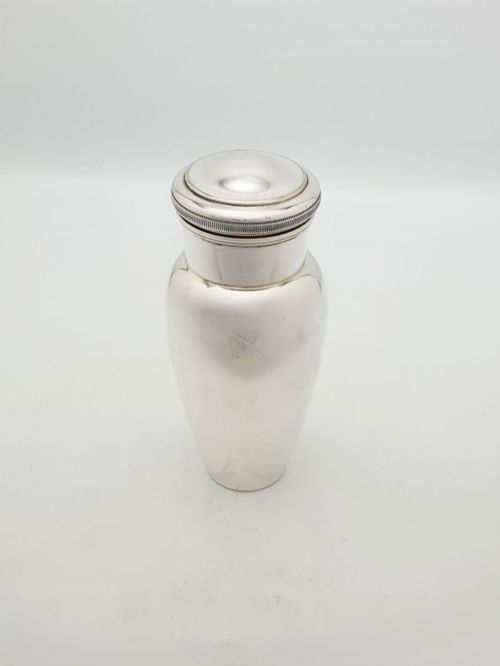


Plated Metal Barware
Plated metal barware comprises durable serving pieces and vessels designed for drinks, spanning styles from Georgian to Mid-Century Modern.
Plated Metal Barware
Plated metal barware encompasses items utilised for mixing, holding, and serving alcohol, from cocktail shakers to wine coolers. These objects range across periods including Victorian, Edwardian, and Art Deco designs.
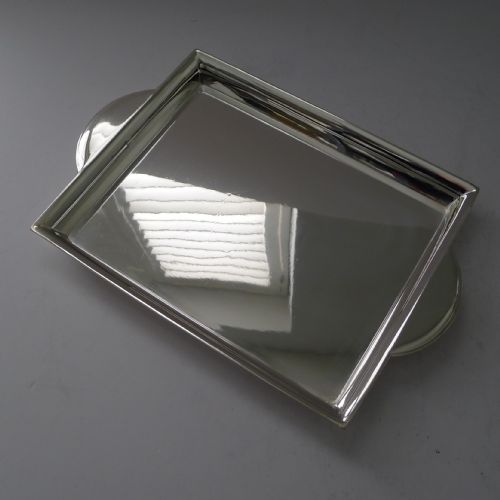
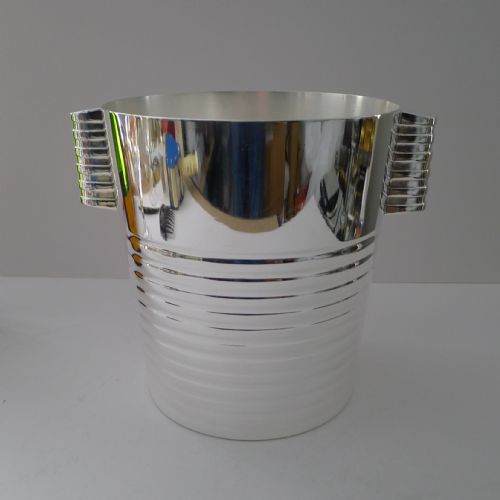
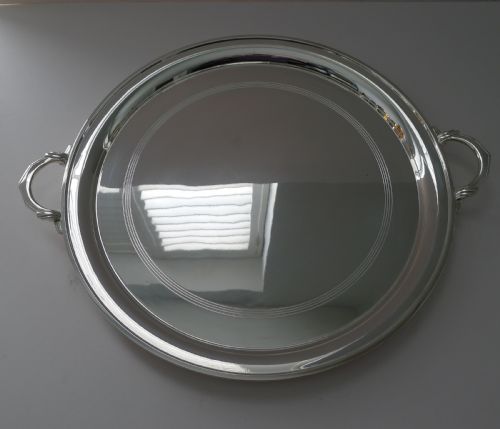
Cocktail shakers form a primary category within plated metal barware, often featuring built-in strainers, recipe inscriptions, or lemon squeezers. Wine and champagne coolers also appear frequently, alongside serving trays and tankards.
Distinctions in standard
Quality rests upon the weight of the metal body and the preservation of the underlying silver plate. Thicker plating resists wear from polishing and handling, maintaining an even metallic lustre across handles, rims, and hinges.
Execution of design distinguishes standard items from those attributed to notable makers and designers. Clean lines in Art Deco shakers or precise piercing on trays indicate superior craftsmanship.
Plated Metal Barware Retail Price Guide 2026
Typical asking prices for plated metal barware among the pieces listed under this phrase on Sellingantiques today, from the lower quarter to the upper quarter. They describe what is for sale here now, not the wider market.
Mappin & Webb·Christofle·Hukin & Heath·Elkington·Carl Deffner
The Plated Metal Barware Glossary
- Electroplated nickel silver
- A base metal alloy of copper, nickel, and zinc coated with a layer of silver through an electrolytic process. This method provided a sturdy foundation for Victorian and Edwardian bar vessels.
- Old Sheffield plate
- A composite material made by fusing a sheet of silver to a thicker copper ingot before rolling them into sheets. This technique predates modern electroplating.
- Bachelor cocktail shaker
- A smaller scale shaker intended for single servings or intimate gatherings. These compact vessels often date from the Art Deco period.
- Pierced work
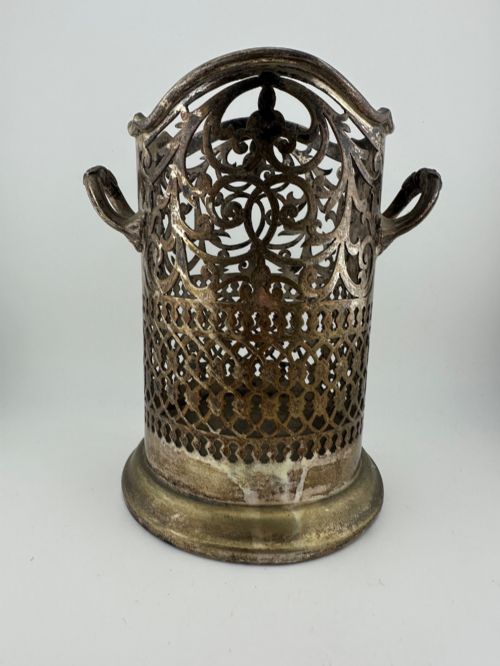
- Metal pierced with decorative openwork patterns using a saw or piercing punch. This technique appears on bottle holders and trays to reduce weight and add ornamentation.
- Tankard
- A tall, cylindrical drinking vessel with a single handle, sometimes featuring a hinged lid. Early examples in this category utilise old Sheffield plate.
Plated Metal Barware: Frequently Asked Questions
How do I clean plated metal barware?
Wash pieces gently in warm water with mild washing-up liquid and dry them immediately with a soft cloth. Avoid abrasive sponges or harsh chemical dips that strip the silver layer.
Store items in a dry environment to prevent tarnishing. Regular dusting keeps the metal bright without requiring frequent polishing.
Can I use vintage shakers for making drinks?
Many vintage cocktail shakers remain fully functional for mixing ingredients and pouring drinks. Ensure internal surfaces are clean and check that lids or seals fit securely before use.
Hand wash the components after use rather than placing them in a dishwasher. Modern acidic ingredients should not be left sitting in plated vessels for extended periods.
How do I distinguish old Sheffield plate from electroplate?
Old Sheffield plate often reveals a thin reddish line of copper visible along edges or where the plating has worn down. This results from the fused sheet construction method used before the nineteenth century.
Electroplated pieces display an even silver layer over a white metal alloy base such as nickel silver. Markings and stamps on the base often indicate the plating technique used.