




Plated Coffee Pot
A plated coffee pot brings the warm gleam of silver to the morning table without the weight or cost of solid metal.
Plated Coffee Pot
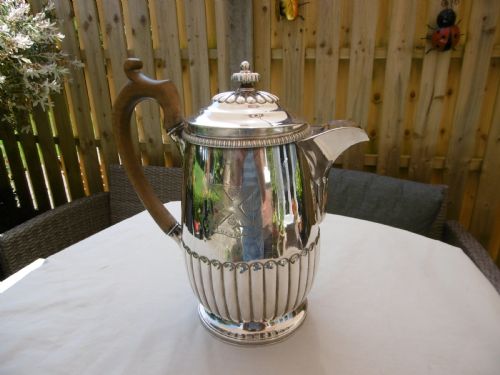
A plated coffee pot serves as the centrepiece of a morning routine, designed to pour hot brews with elegance. When you search for a plated coffee pot, you encounter vessels ranging from tall eighteenth-century silhouettes to compact Edwardian examples.
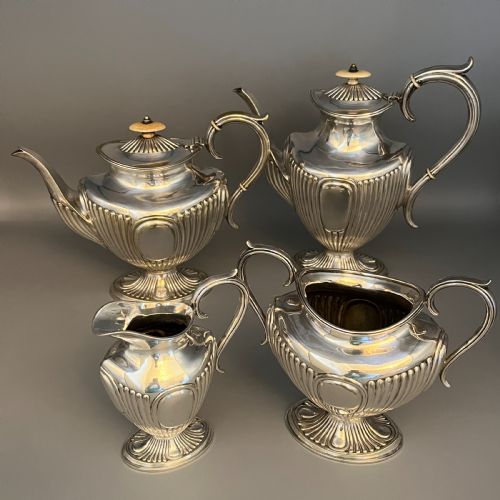
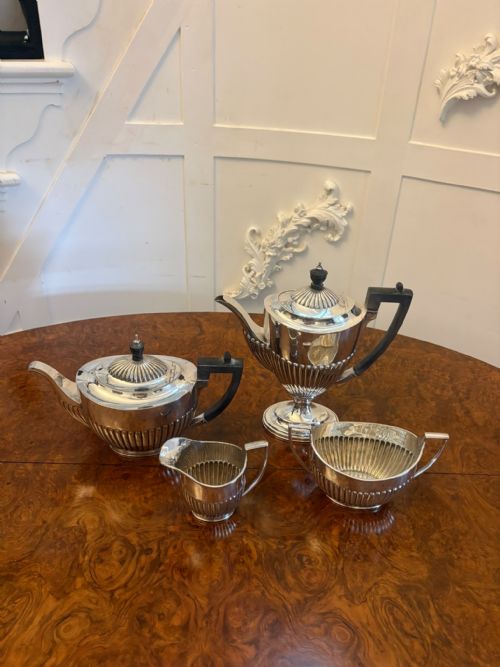
The selection here encompasses standalone pots alongside grander four-piece tea and coffee sets. Many originate from the Georgian and Victorian eras, carrying the marks of traditional British craftsmanship.
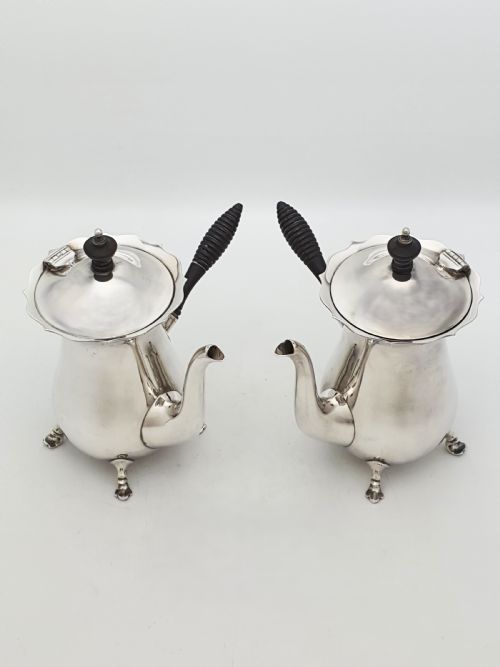
You also find specialised café au lait pots and early twentieth-century designs. Each piece reflects the shifting domestic habits of British households across centuries of entertaining.
How they were made
Early makers utilised the Old Sheffield Plate technique, fusing a thin sheet of silver to a thicker copper core. This method produced distinct warm tones where the base metal occasionally shows through highlights.
Later manufacturing shifted to electroplated nickel silver, a process that deposited a smooth, even layer of silver over a durable white metal base. Craftsmen often incorporated insulating spacers of bone, wood, or ebonised wood into handles to protect hands from heat.
Ornate vessels display chased and engraved details executed by hand, while mounts and crests are carefully soldered onto the main body.
Plated Coffee Pot Retail Price Guide 2026
Typical asking prices for plated coffee pot among the pieces listed under this phrase on Sellingantiques today, from the lower quarter to the upper quarter. They describe what is for sale here now, not the wider market.
Some Victorian households used insulated 'Cube' teapots designed to tilt at awkward angles on the tray without spilling a single drop.
What varies in quality
The crispness of chased decoration and the weight of the metal distinguish superior examples from standard production. Substantial gauge silver plate maintains its structural integrity and resists denting over generations of use.
The survival of original surface plating and the clarity of maker marks dictate the desirability of a piece. Finer items retain their rich highlights, whereas worn items reveal the copper or base metal beneath through heavy cleaning.
Walker and Hall·Matthew Boulton·John Hoyland·Boardman Glossop and Co
The Plated Coffee Pot Glossary
- Old Sheffield Plate
- An early fusing technique where a sheet of silver is mechanically bonded to a copper ingot before rolling. This predates electroplating and often reveals a reddish copper hue at worn edges.
- Electroplated Nickel Silver
- A mid-nineteenth-century innovation using an electrical current to bond silver onto a nickel alloy base. It created a durable and uniform finish for domestic hollowware.
- Café Au Lait Pot
- A specialised vessel designed to pour hot milk simultaneously with coffee. These pots often appear in matched pairs within larger service sets.
- Ebonised Wood
- Timber treated to imitate genuine ebony, frequently turned for pot handles and finials. It offered a practical, dark grip that contrasted against bright silver surfaces.
- Maker Mark
- A stamped symbol or initials identifying the silversmith or manufacturer who produced the piece. These stamps help historians date and attribute antique metalwork.
Plated Coffee Pot: Frequently Asked Questions
How do I clean a plated coffee pot?
Wash the pot gently with warm soapy water and a soft cloth after use. Avoid harsh abrasive dips that strip the remaining silver layer.
Dry the vessel thoroughly with a lint-free cloth to prevent water spots. Occasional polishing with a mild, specialised silver cream maintains the shine without damaging the metal.
Can I still use these pots for serving coffee?
Many antique pots remain structurally sound and watertight for daily use. Ensure you rinse the interior well and avoid boiling liquids directly inside plated vessels.
If the interior lining shows heavy wear or base metal exposure, reserve the pot strictly for display. Modern users often brew coffee separately and transfer it just before serving.
How can I tell Old Sheffield Plate from electroplate?
Examine the edges and rims where the silver layer naturally experiences friction over time. Old Sheffield Plate reveals a subtle line of reddish copper beneath the silver.
Electroplated pieces show a greyish nickel or brassy base metal when the thin silver coating wears away. Weight and manufacturing era also provide strong clues to the plating method.
Why do some handles feature small bone rings?
Bone or ivory insulators were inserted into handle mounts to stop heat travelling from the pot to the user's hand. Natural materials acted as thermal barriers before synthetic plastics existed.
These spacers also allowed makers to create elegant, clean lines between the metal body and the wooden grip.