

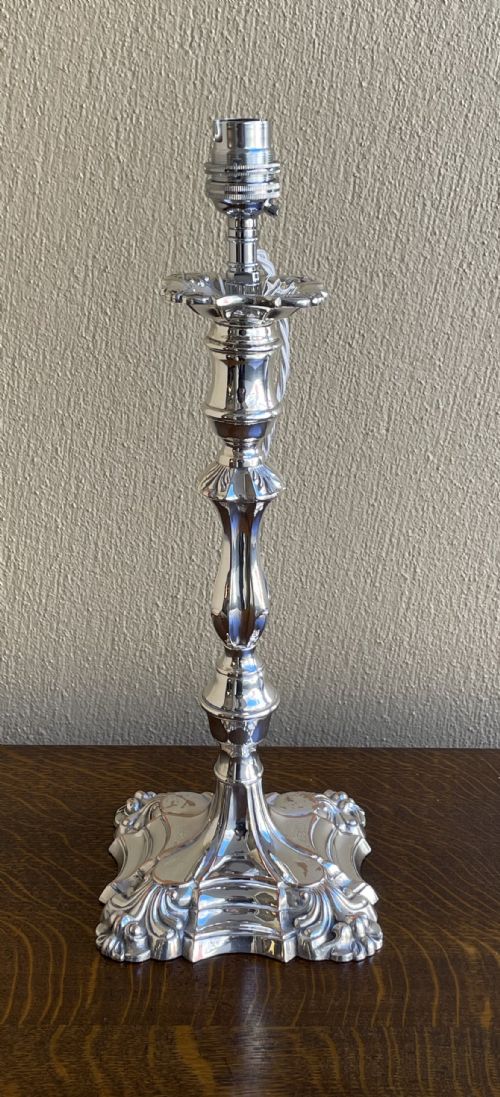


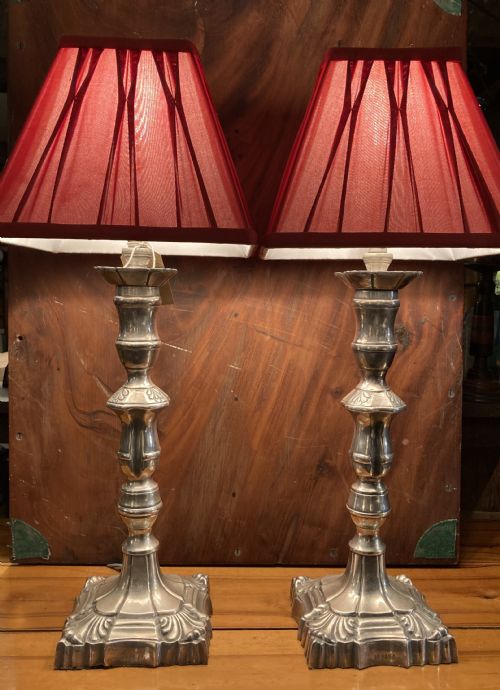


Plated Bedside Lamp
These plated bedside lamps bring a warm metallic glow to a nightstand, offering the weight and finish of solid silver without the constant upkeep.
Plated Bedside Lamp
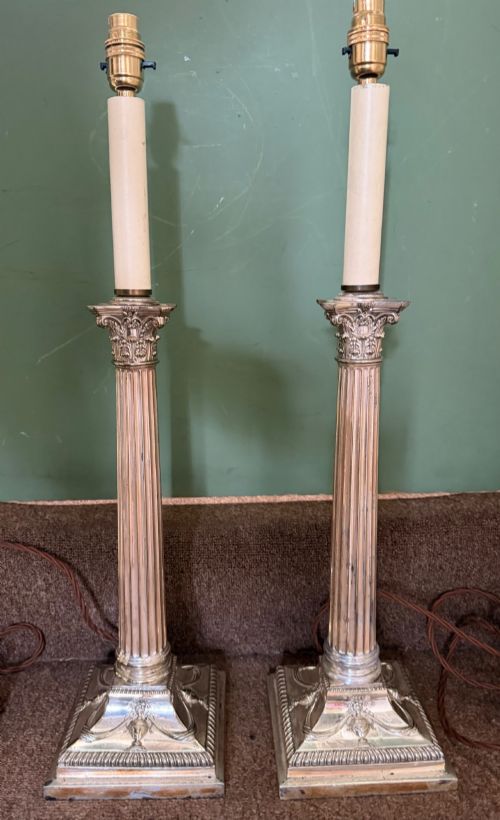
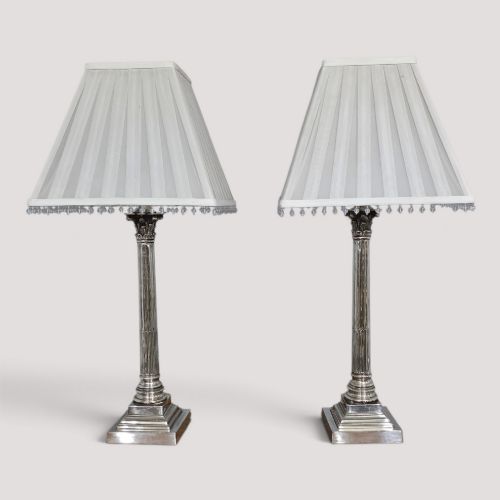
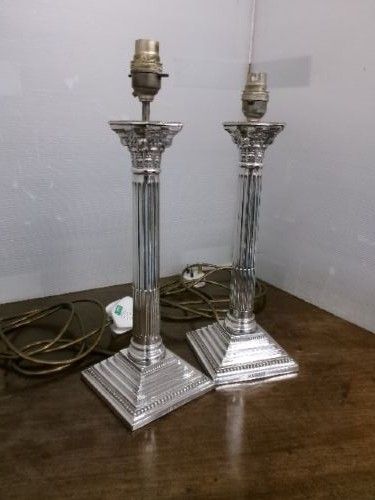
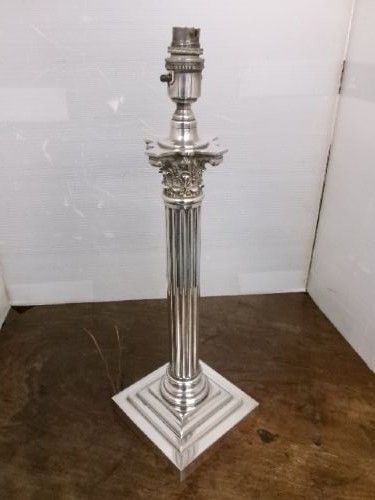
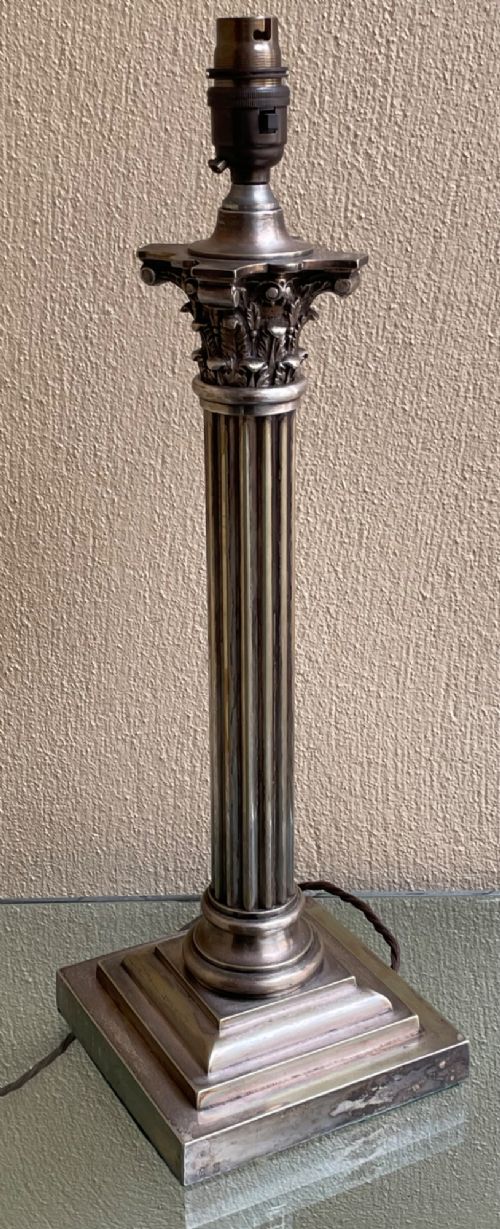
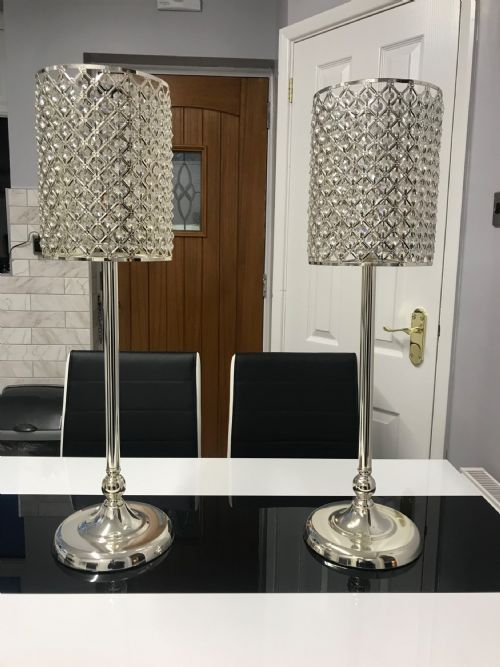
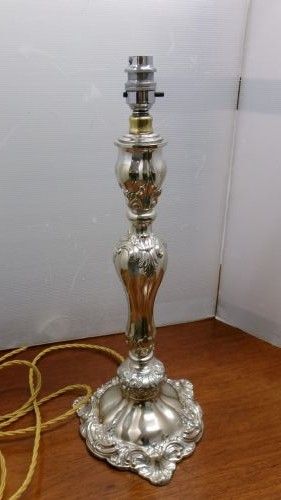
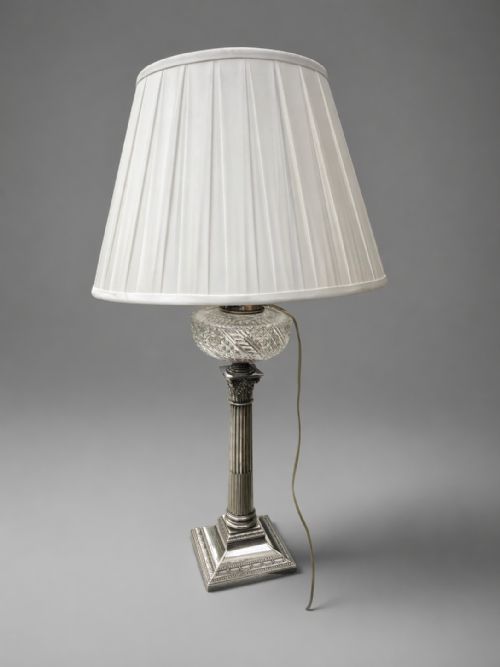
A plated bedside lamp provides low-level illumination while adding a touch of period character to a bedroom. When searching for a plated bedside lamp, buyers frequently encounter classical architectural forms such as Corinthian columns alongside later twentieth-century designs.
The selection ranges from Victorian and Edwardian examples to 1920s and 1930s pieces. Makers utilised materials like silver plate, EPNS, and nickel plate over brass or metal bases, often paired with cut crystal glass.
Many items survive as matched pairs, though single tall standards appear regularly. Their domestic role has shifted very little over the decades, though conversion from oil or gas to electricity is common.
How they were made
Manufacturers built the structural core of these lamps from brass, base metal, or cast iron, providing the necessary weight for a stable table standard. Over this metal foundation, craftsmen applied a thin layer of silver or nickel through plating techniques such as electroplating.
Detailing often involved cast ornaments, including acanthus leaves on column capitals, stepped square bases, or lion's paw feet. Glass elements, where present, were heavy cut crystal or Bohemian glass that screwed or fitted directly into the metal mounts.
Plated Bedside Lamp Retail Price Guide 2026
Typical asking prices for plated bedside lamp among the pieces listed under this phrase on Sellingantiques today, from the lower quarter to the upper quarter. They describe what is for sale here now, not the wider market.
Current listings feature pieces spanning from the late nineteenth century through the 1960s, dominated by silver plate, brass, and cut crystal glass.
What varies in quality
The thickness and retention of the original silver plating distinguish better pieces from ordinary production. Substantial gauge metalwork and crisply cast classical details indicate a higher standard of manufacture.
Maker marks and stamps from established firms or Sheffield silversmiths elevate an object's standing. Proportion and balance in the design of column shafts and weighted bases also separate standard lighting from superior examples.
Harrison Brothers and Howson·Farraday and Son·Palmer and Co
The Plated Bedside Lamp Glossary
- EPNS
- Electroplated Nickel Silver. A common base metal alloy coated with a thin layer of pure silver using an electrical current.
- Corinthian column
- A classical architectural order featuring an ornate capital decorated with carved acanthus leaves. This motif proved especially popular for tall Victorian and Edwardian table lamps.
- Silver plate
- A layer of silver bonded to a base metal core. It offers the visual appeal of solid silver at a lower weight and cost.
- Gimbal
- A pivoted ring mounting that allows a lamp or light to remain horizontal despite the motion of a ship or room. These specialised pieces are found in maritime lighting.
Plated Bedside Lamp: Frequently Asked Questions
Are these lamps safe to use today?
Most antique lighting requires professional rewiring to meet modern safety standards before daily use.
Qualified electricians can easily update old cords and lamp holders while retaining the original metal body.
How do I clean plated metal?
Gentle dusting with a soft cloth is usually sufficient for maintaining the surface.
Harsh metal polishes should be avoided because they can wear away the thin silver layer over time.
Can I polish away tarnish?
Light tarnish is normal on older silver plate and often adds desirable depth to the appearance.
If cleaning is necessary, use a non-abrasive silver cream specifically formulated for plated items.
How do I date a lamp?
Makers' stamps, registration numbers, and stylistic clues like column capitals help narrow down the decade of manufacture.
The construction of the wiring channel and switch mechanism also offers strong hints about age.