



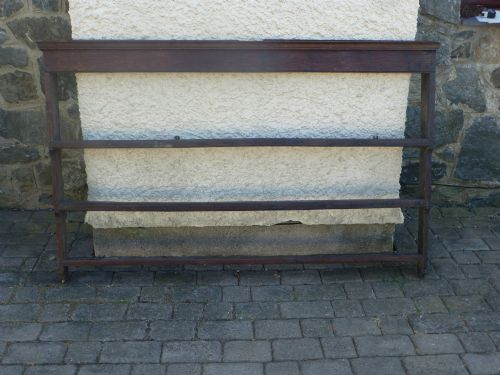

Plate Rack Shelving
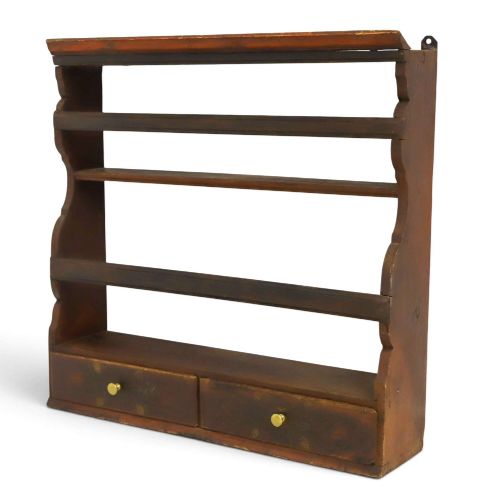
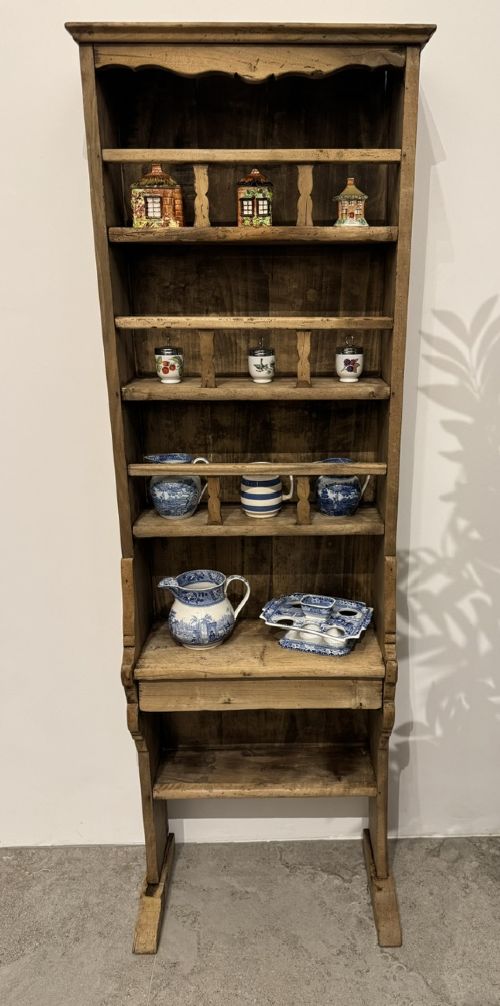
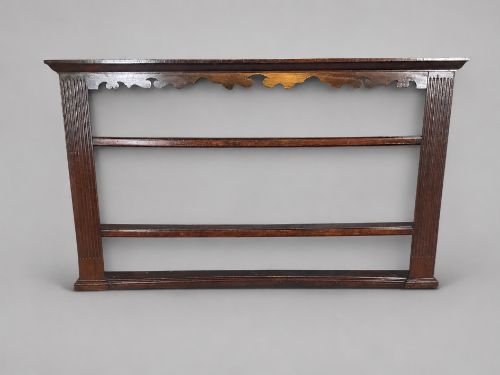
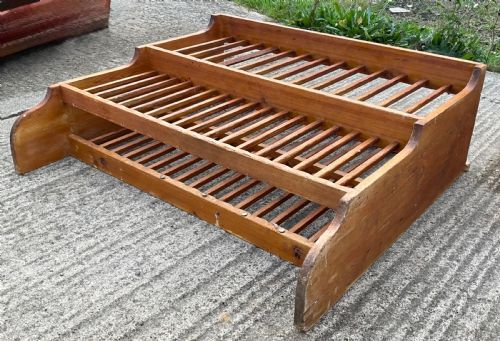
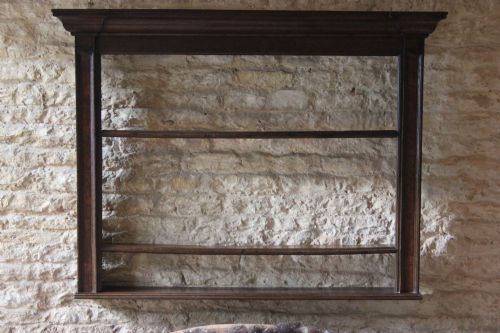
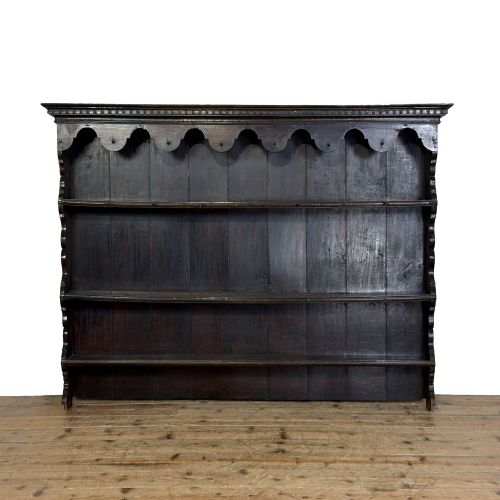
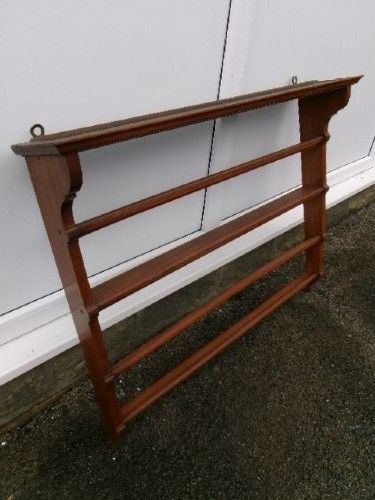
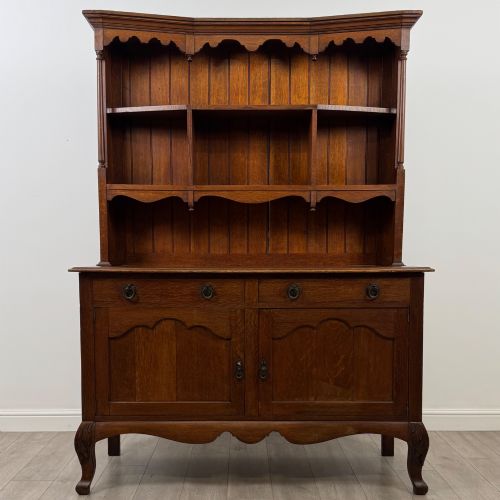
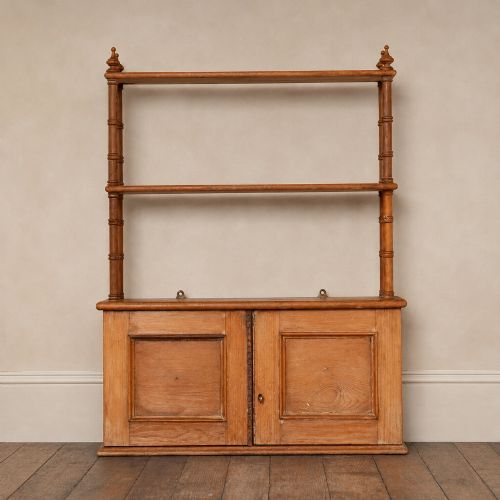
Plate rack shelving organises domestic spaces using traditional timbers, running from country hanging wall racks to large regional dressers.
Plate Rack Shelving
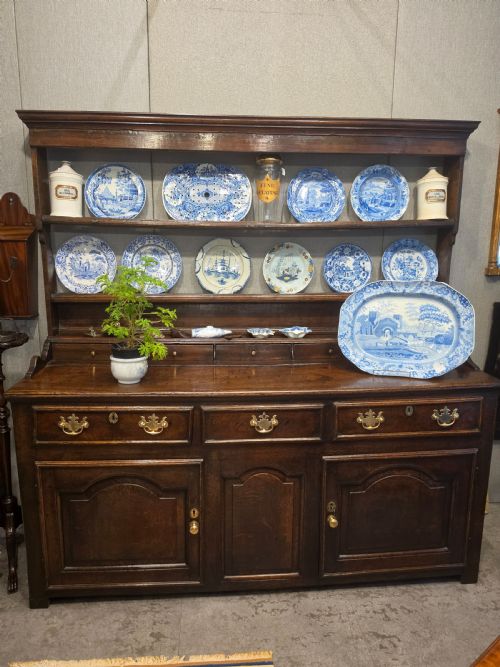
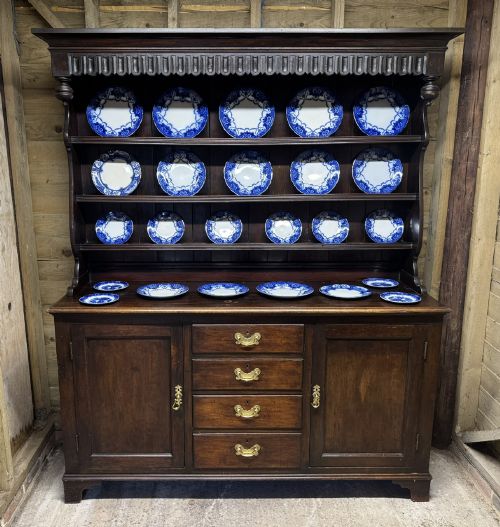
Plate rack shelving comprises open wall-mounted displays and substantial kitchen dressers designed to store and exhibit ceramic plates. These items serve both functional kitchen storage and decorative display roles within domestic interiors.
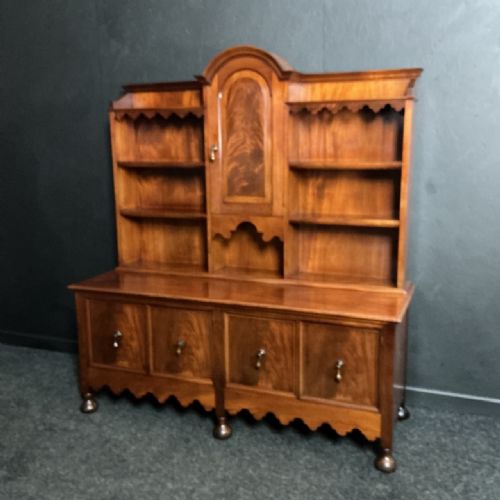
Buyers most frequently encounter robust oak and pine pieces originating from country workshops, alongside finer mahogany hanging shelves and formal Welsh dressers. The selection spans compact hanging wall racks up to large two-part dressers with integrated top shelving.
Examples appear across multiple historic periods, notably the eighteenth and nineteenth centuries, taking forms such as Welsh dressers, hanging delft racks, and waterfall bookcases.
Materials and construction
Cabinetmakers constructed these pieces primarily using solid domestic timbers such as oak, mahogany, and pine, occasionally incorporating brass hardware, iron fittings, and painted finishes. Wood selection dictated whether a piece belonged in a formal parlour or a working country kitchen.
Joinery methods involved traditional panel construction, peg joints, and carved detailing, particularly visible in Jacobean revival and regional country pieces. Hanging wall racks feature sturdy mounting brackets, while larger dressers utilise a two-part construction joining base cupboards to open upper shelving.
Plate Rack Shelving Retail Price Guide 2026
Typical asking prices for plate rack shelving among the pieces listed under this phrase on Sellingantiques today, from the lower quarter to the upper quarter. They describe what is for sale here now, not the wider market.
Listings feature oak, mahogany, pine, and cherry wood across wall shelves, delft racks, and Welsh dressers dating from the seventeenth to the twentieth century.
Factors of quality
Quality rests upon the choice of timber and the integrity of the original construction, with dense native oak and figured mahogany commanding greater respect than utilitarian pine. The depth of patination on unblemished wood surfaces distinguishes superior examples from lesser items.
Proportion and architectural detail separate standard utility furniture from finer cabinetmaking. Well-balanced cornices, crisp carving, and untouched original backboards elevate a piece far above utilitarian kitchen storage.
The Plate Rack Shelving Glossary
- Delft rack
- A wall-mounted wooden shelving unit specifically designed with narrow plate grooves and retaining rails to display tin-glazed earthenware plates safely. These fixtures hung directly above kitchen counters or dining tables.
- Welsh dresser
- A large kitchen furniture form combining lower cupboards or drawers with an upper tier of open plate shelves. Regional variations include the Talwrn dresser and potboard designs.
- Flame mahogany
- A decorative veneer cut from timber fork sections displaying undulating, fiery grain patterns. Cabinetmakers utilised this timber on formal nineteenth-century display pieces.
- Potboard
- A lower open shelf built into traditional country dressers near the floor, originally intended for storing heavy pots and pans. This feature helps identify earlier eighteenth-century vernacular furniture.
Plate Rack Shelving: Frequently Asked Questions
How do I hang a heavy oak wall rack?
Heavy oak wall racks require secure fixing directly into wall studs or masonry using appropriate heavy-duty brackets. Distributing the weight across multiple fixing points ensures the structure safely supports the load of ceramic plates.
Professional installation prevents movement and protects both the historic timber and the display items from accidental damage during daily use.
What is the difference between a dresser and a delft rack?
A delft rack is strictly an upper shelving unit designed to hang on a wall for plate display. A dresser is a complete furniture item combining base storage cupboards with an upper plate rack.
Two-part dressers sit directly on the floor as single units, whereas hanging racks remain independent wall furniture.
Are these shelves suitable for modern kitchens?
These traditional timber shelves integrate successfully into modern kitchens by providing practical vertical storage for everyday ceramics. Their open format keeps frequently used tableware accessible while introducing historic character to contemporary spaces.
Ensuring adequate wall support allows even heavy antique pine and oak racks to handle modern heavy stoneware safely.