



Plaster Ornament
Plaster ornament objects bring interior spaces historic character through sculptural form, architectural detail and decorative presence.
Plaster Ornament
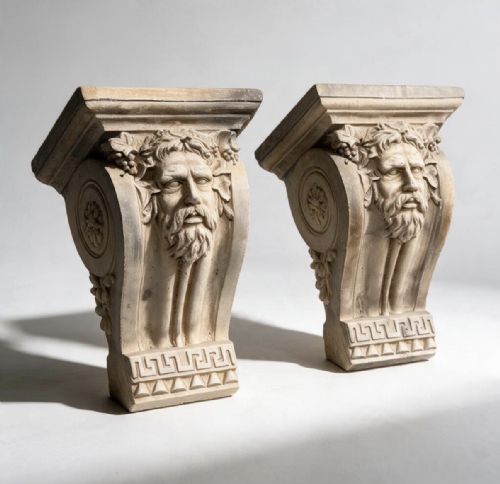
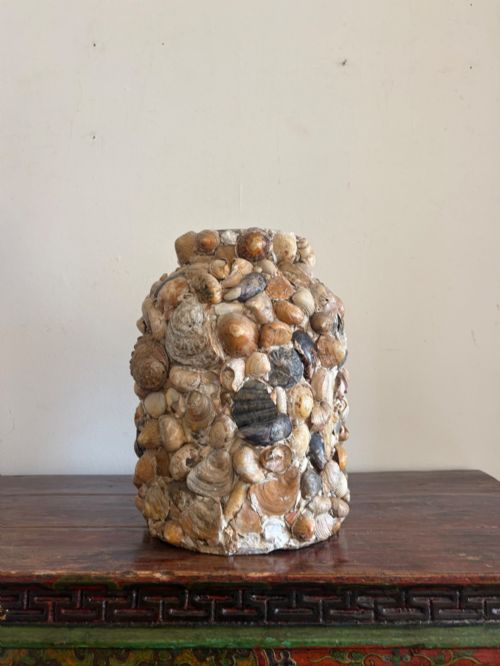
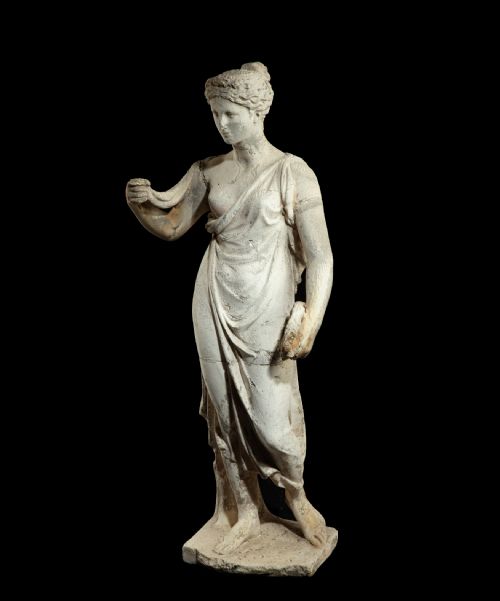
Plaster ornament encompasses sculptures, architectural elements and decorative figures spanning the nineteenth century, Edwardian era, 1920s, 1930s and 1940s. These pieces include animalier sculptures, figurative statues, wall brackets and decorative jars.
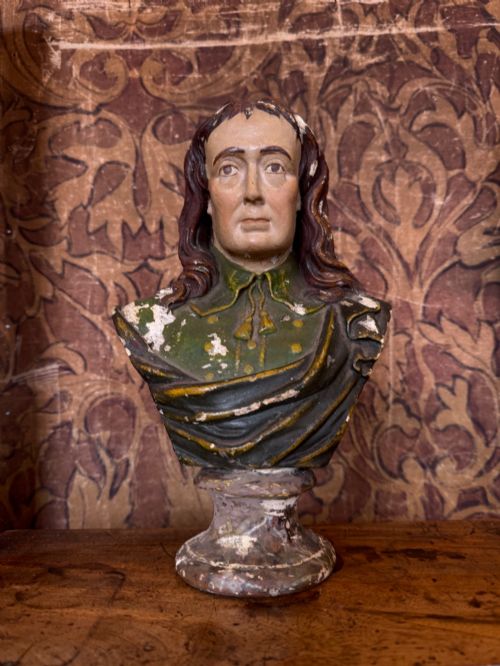
Buyers meet items ranging from Regency neoclassical stucco figures and Victorian busts to Art Deco statuettes and folk art shell-decorated vessels. English, French and Austrian origins appear across the selection.
Functional items such as doorstops and decorative vases sit alongside purely sculptural works like busts of John Milton and depictions of Taurus the bull.
How plaster ornament was made
Makers utilised plaster, stucco and composition stone as primary building mediums, often applying hand-modelling techniques to achieve detailed animal and human figures. Some pieces incorporate additional materials such as terracotta, sea shells and applied paint.
Surfaces received decorative treatments including polychrome paint and bronzed plaster finishes to emulate heavier metals or richer materials. Artisans shaped these mediums into structural forms like corbels and architectural salvage alongside freestanding statues.
Plaster Ornament Retail Price Guide 2026
Typical asking prices for plaster ornament among the pieces listed under this phrase on Sellingantiques today, from the lower quarter to the upper quarter. They describe what is for sale here now, not the wider market.
Listings feature periods from the nineteenth century through the 1940s, spanning Victorian, Edwardian, Art Deco and modernist styles.
What varies in quality
Quality differences emerge in the crispness of moulding and the skill of hand-modelling, which separates mass-produced items from finely articulated artistic pieces. The preservation of original surface treatments, whether polychrome paint or bronzed plaster, dictates the visual integrity of each object.
The sophistication of the design, such as neoclassical drapery or Art Deco stylisation, influences the aesthetic depth of the work. Maker attribution, visible in signed works like those by Joseph Constant or B. Rezl, adds distinction to specific sculptures.
Joseph Constant·B. Rezl
The Plaster Ornament Glossary
- Stucco
- A fine plaster used for decorative work, architectural details and sculptural figures. It allows for sharp relief and smooth surface finishing.
- Animalier
- A nineteenth-century artistic genre focusing on the faithful representation of animals. Sculptures in this style capture creatures in naturalistic poses.
- Corbel
- A structural piece of stone, wood or plaster projecting from a wall to support a weight. Decorative versions serve architectural and ornamental functions.
- Polychrome
- The practice of decorating architectural elements, sculpture or pottery in a variety of colours. This finish enhances surface detail and visual realism.
Plaster Ornament: Frequently Asked Questions
What is plaster ornament?
Plaster ornament comprises sculptural and architectural objects cast or modelled from plaster, stucco and composition stone. These pieces range from figurative statues and animalier sculptures to decorative vases and architectural salvage.
Items date across the nineteenth and twentieth centuries, reflecting styles from Regency neoclassical and Victorian to Art Deco and modernist design.
How do I date a plaster figure?
Dating relies on stylistic indicators, manufacturing techniques and material composition. Pieces often align with Victorian, Edwardian or Art Deco design conventions.
Maker signatures and recorded production years provide precise chronological markers for specific sculptures and figures.
Where were these pieces made?
Origin points span several European countries, with English, French and Austrian workshops contributing distinct sculptural traditions. Continental makers often introduced specific regional interpretations of neoclassical and Art Deco styles.
Local craftsmanship determined whether an object functioned as architectural salvage or domestic decoration.
How should I clean plaster ornament?
Careful dusting with a soft brush prevents the accumulation of dirt on delicate surfaces. Avoid liquid cleaners that might damage painted, polychrome or bronzed plaster finishes.
Maintaining stable indoor humidity protects the structural integrity of plaster and composition stone over time.