



Pink Victorian Glassware
Pink victorian glassware brings rich colour and enduring character to a room, offering genuine charm for those who appreciate traditional craftsmanship.
Pink Victorian Glassware
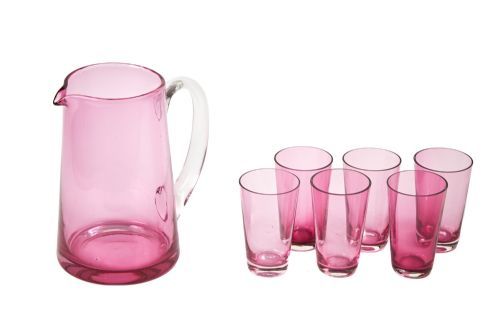
When buyers search for pink victorian glassware, they encounter an array of decorative and utilitarian items spanning the nineteenth and early twentieth centuries. These pieces encompass items designed for display as well as functional drinkware used for dining and entertaining.
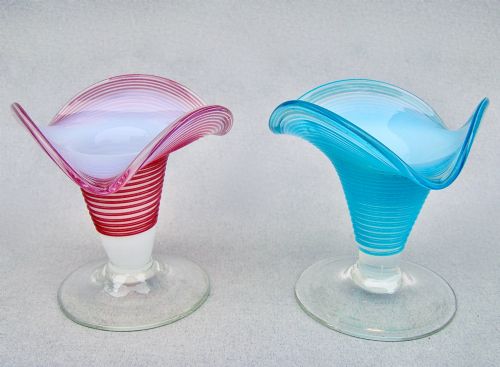
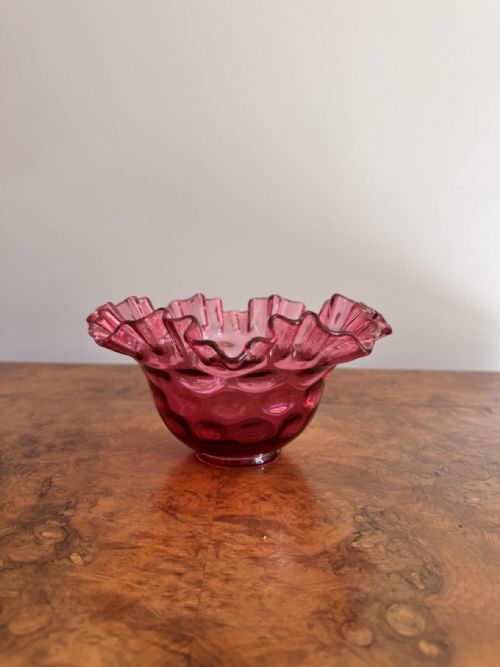
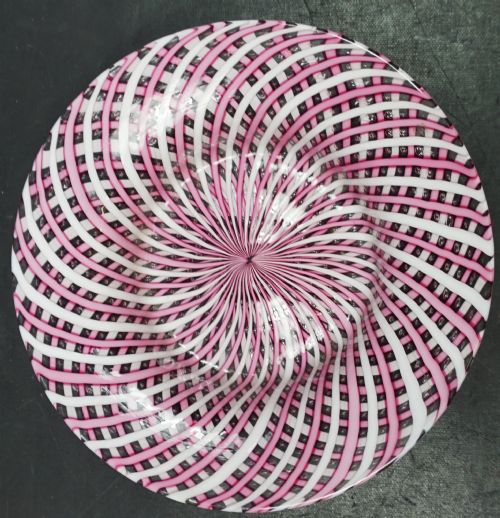
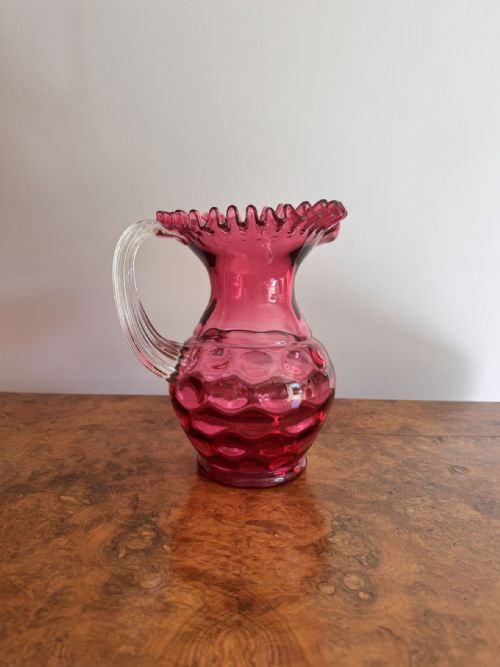
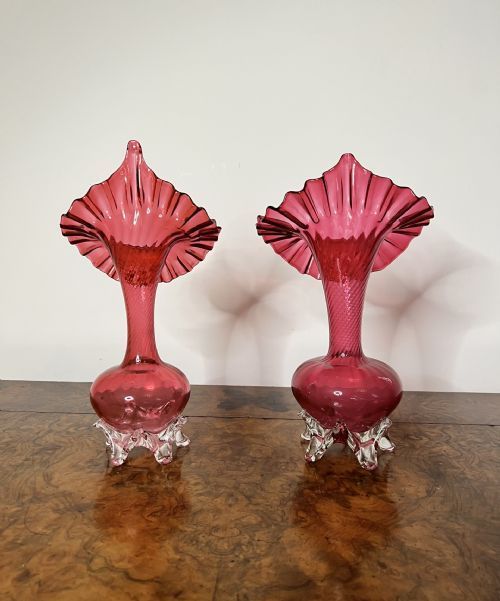
The selections available here most frequently showcase cranberry glass alongside pieces featuring frosted finishes, opaline surfaces, and enamel decoration. Forms range from jugs and wine glasses to epergnes, biscuit barrels, and decorative vases.
Originating largely from the Victorian and Edwardian periods, with styles extending into early Art Nouveau, these items reflect the diverse manufacturing output of their time. Buyers commonly meet matching drinkware sets, individual jugs, and pairs of vases across the listings.
How they were made
Makers utilised blown glass techniques to shape bowls, jugs, and vases, often combining cranberry glass with clear glass elements. The distinctive pink and red hues were achieved by adding gold to the molten glass batch during production.
Many items incorporate additional decorative treatments such as enamel painting, gold leaf detailing, and frosted glass textures. Mounts, stands, and hardware formed from silver plate and brass frequently complement the glassware on select pieces.
Pink Victorian Glassware Retail Price Guide 2026
Typical asking prices for pink victorian glassware among the pieces listed under this phrase on Sellingantiques today, from the lower quarter to the upper quarter. They describe what is for sale here now, not the wider market.
Listings feature items from the Victorian and Edwardian periods, incorporating cranberry glass, silver plate, and enamel.
What varies in quality
The standard of production is visible in the depth and consistency of the glass colour, as well as the balance and proportion of blown forms. Superior examples demonstrate careful attention to detail in the application of enamel and the finish of blown surfaces.
Quality also distinguishes itself through the integration of metalwork, where silver-plated mounts and brass stands fit securely and complement the glassware. Pieces that retain paired elements or complete sets display a higher level of preservation and original intent.
The Pink Victorian Glassware Glossary
- Cranberry glass
- A type of transparent pink or red glass coloured by the addition of gold chloride to the molten batch. It became particularly popular during the nineteenth century for decorative tableware and drinkware.
- Jack in the pulpit vase
- A nineteenth-century vase form characterised by a wide, ruffled rim that resembles the spathe of the jack-in-the-pulpit flower. They are typically fashioned from blown glass with flared profiles.
- Biscuit barrel
- A covered container designed for storing dry biscuits, often fitted with a hinged lid and metal mounts. Edwardian and Victorian versions frequently combine ceramic or glass bodies with silver-plated hardware.
- Opaline glass
- An opaque or translucent glass, often pale in colour, used to create decorative vases and tableware. It provides a smooth ground for enamel painting and gilding.
Pink Victorian Glassware: Frequently Asked Questions
Were these pieces used daily?
Many items were produced for regular dining and entertaining, including wine glasses, jugs, and drinkware sets. Other forms, such as epergnes and decorative vases, served primarily as ornamental display pieces for the home.
Function dictated the form, with durable drinkware handling frequent use while delicate centrepieces remained reserved for formal occasions.
How can I identify the period?
Dating relies on observing manufacturing techniques, stylistic cues, and materials associated with specific eras like the Victorian or Edwardian periods. Documentation and accompanying mounts, such as silver-plated frames, offer further clues to the date of manufacture.
Comparing the form and decorative motifs against known examples helps narrow down the decade of production.
Can I use these wine glasses?
These antique wine glasses can be utilised for special occasions if handled with appropriate care. Due to their age and delicate blown glass construction, gentle hand washing is essential.
Careful handling ensures they remain preserved for future appreciation while still serving their original function.