



Pink Lustre Pottery
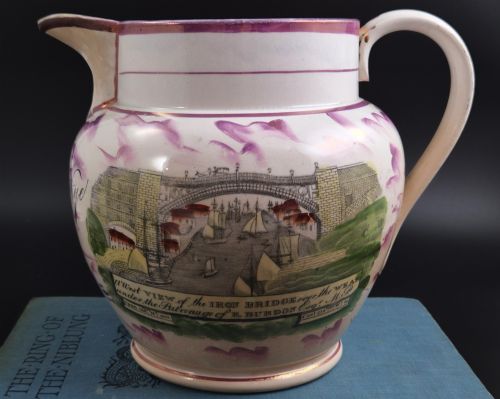
These pink lustre pottery pieces carry metallic glazes that catch the light, offering maritime scenes and verses across earthenware bodies.
Pink Lustre Pottery
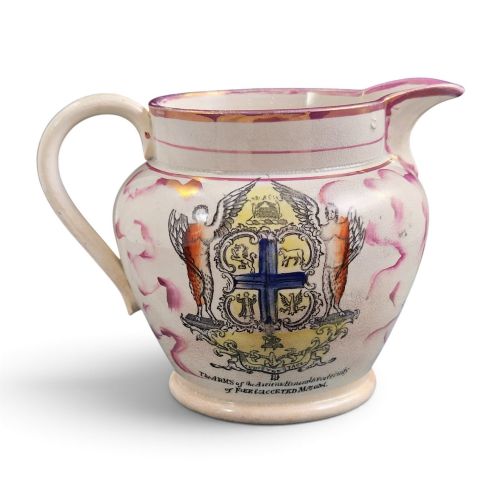
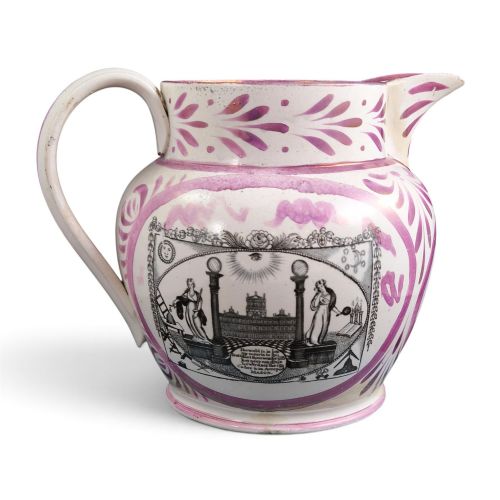
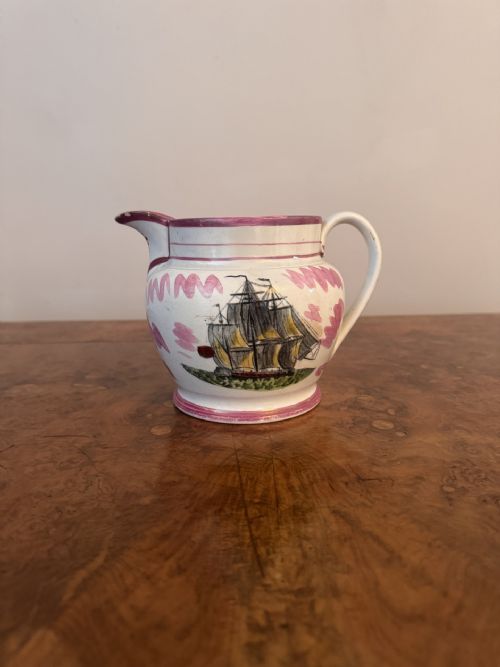
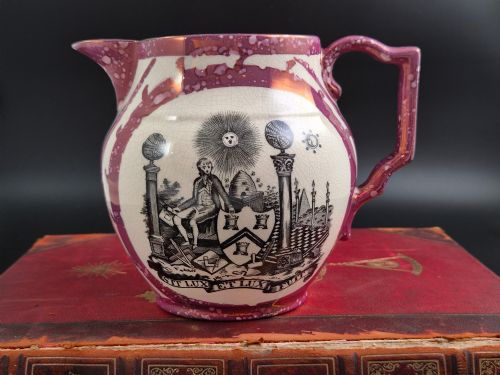
Pink lustre pottery centres largely on earthenware and pearlware vessels created during the Georgian and Victorian periods. Jugs and pitchers dominate the selection, often carrying transfer-printed maritime themes, poetic panels, and Masonic emblems alongside characteristic metallic oxide glazes.
Makers in regions such as Sunderland produced much of this ware, applying splash effects and transfer prints depicting local landmarks like the Iron Bridge over the Wear. Decorative bowls and tea cups also appear, reflecting the domestic and commemorative uses typical of nineteenth century British ceramics.
How they were made
Potters shaped these objects from earthenware and pearlware before applying transfer-printed designs in purple or other enamels. The distinctive metallic sheen relies on a thin application of metallic glaze or oxide, fired to produce the signature pink reflection.
Pink Lustre Pottery Retail Price Guide 2026
Typical asking prices for pink lustre pottery among the pieces listed under this phrase on Sellingantiques today, from the lower quarter to the upper quarter. They describe what is for sale here now, not the wider market.
Listings feature periods spanning from Georgian and Regency through to Edwardian, utilising earthenware, pearlware, and metallic lustre glazes.
What varies in quality
The richness and stability of the metallic glaze determine much of the visual impact, with certain pieces showing deep, even reflections while others display thin or patchy coverage. Clarity in the transfer-printed maritime scenes and poetic panels also separates standard production from finer examples.
The complexity of the form and decoration plays a major role, particularly on large triple-print Masonic jugs or named and dated pieces. Superior items maintain sharp transfer lines beneath the glaze and careful hand-colouring that complements the lustre surface.
Sunderland Garrison Pottery·Wedgwood
The Pink Lustre Pottery Glossary
- Lustre glaze
- A metallic surface treatment containing gold, platinum, or copper oxides that creates an iridescent sheen on pottery during reduction firing. This technique produces the characteristic pink and purple reflections seen on nineteenth century jugs.
- Pearlware
- A refined earthenware developed in the late eighteenth century with a bluish-white glaze that pooled in crevices. It served as a smooth canvas for transfer-printed decorations before creamware fell out of favour.
- Transfer printing
- A method of applying pre-printed designs from an engraved copper plate onto ceramic surfaces via tissue paper. It allowed potteries to replicate detailed maritime scenes and verses efficiently.
- Splash lustre
- A decorative variation where metallic droplets were flicked onto the ceramic body to create a mottled or speckled pattern. This technique often resulted in a distinct tortoiseshell effect across the surface.
- Earthenware
- A porous pottery fired at lower temperatures than stoneware or porcelain, requiring a vitreous glaze to hold liquids. Most nineteenth century lustre jugs utilised this accessible ceramic body.
Pink Lustre Pottery: Frequently Asked Questions
What are pink lustre jugs?
These ceramic vessels feature a metallic glaze created using gold or copper oxides, which leaves a distinctive pink or purple sheen across the surface. Potters frequently decorated them with transfer-printed ships, verses, and patriotic emblems.
Most examples date from the Georgian and Victorian eras, originating largely from northern English potteries. They served both decorative and commemorative purposes in households and maritime communities.
How were these jugs used?
Many of these vessels functioned as practical tableware for serving liquids during meals or gatherings, while others served as display pieces commemorating local landmarks or trade groups. Masonic lodges and sailors often commissioned specific designs to mark events or memberships.
Large jugs with poetic panels or sailors' arms frequently sat on mantelpieces or in public houses as conversation pieces. Their reflective glazes were designed to catch the ambient light of oil lamps and candles.
How do I date a piece?
Stylistic clues such as the transition from pearlware bodies in the early nineteenth century to later Victorian earthenware help narrow the period. Transfer-printed subjects, lettering styles, and specific maritime landmarks also provide chronological markers.
Pieces that include specific dates or named individuals offer precise points of reference. Comparing the depth of the metallic glaze and the colour palette against documented examples assists in confirming the era.
How do I care for lustre pottery?
These ceramic pieces require gentle handling and should be kept away from harsh cleaning agents that might degrade the delicate metallic glaze. Hand washing with mild soap and warm water is standard practice for antique earthenware.
Displaying the items away from direct sunlight protects any hand-coloured enamel details from fading over time. Stable shelving prevents accidental knocks to these historic jugs and bowls.