





Pink Glazed Figurine
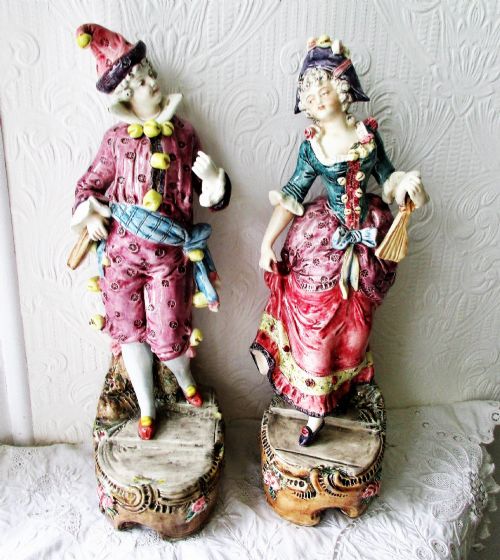
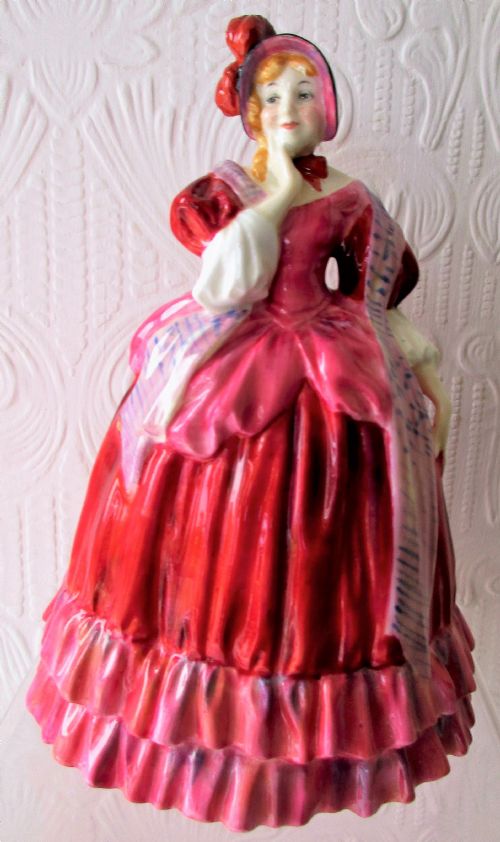
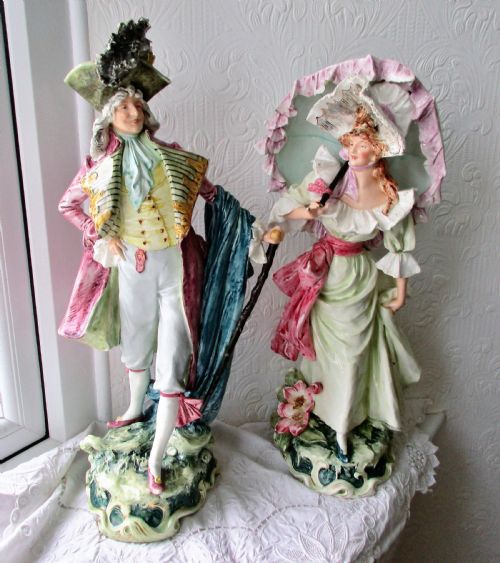
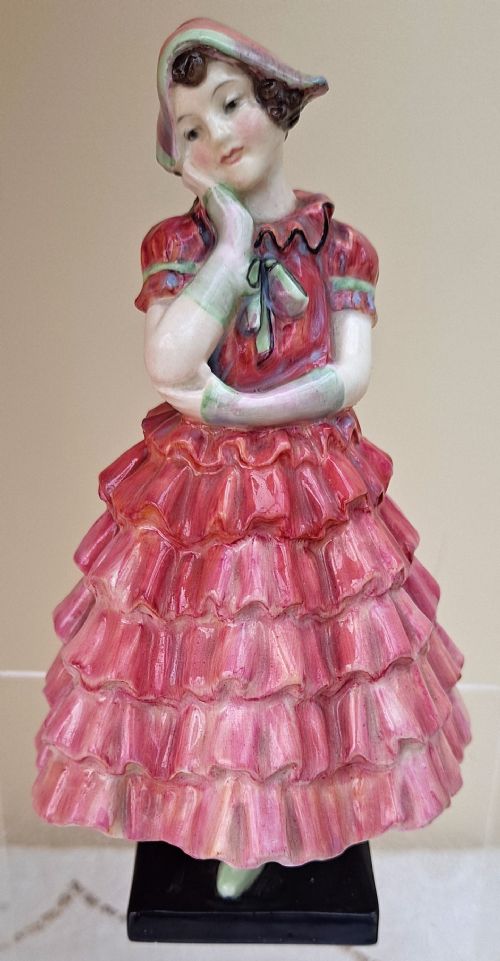
These pink glazed figurine examples bring character to a room, ranging from English porcelain to French faience.
Pink Glazed Figurine
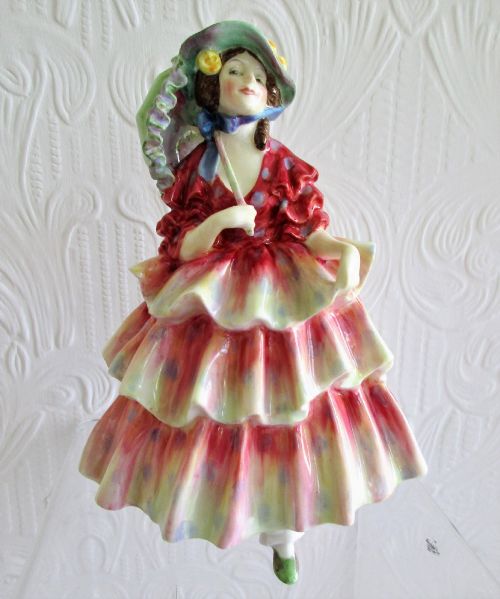
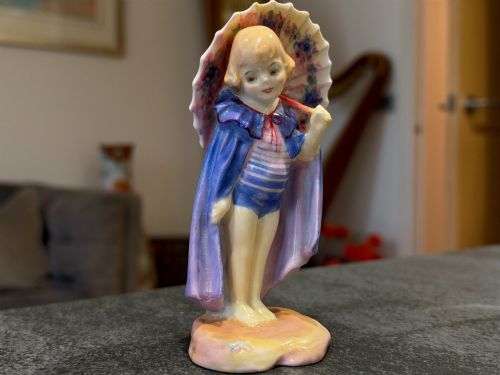
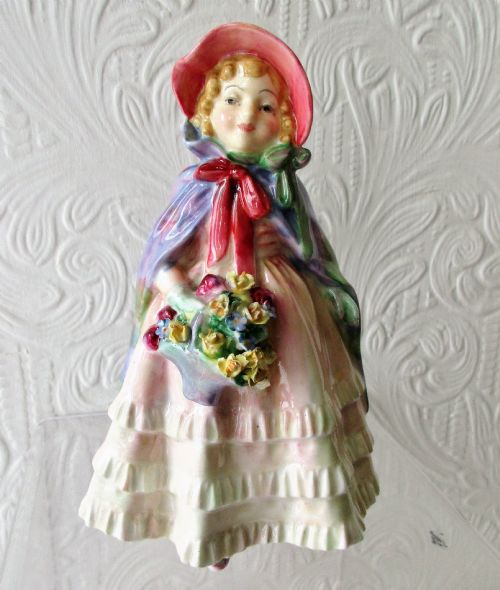
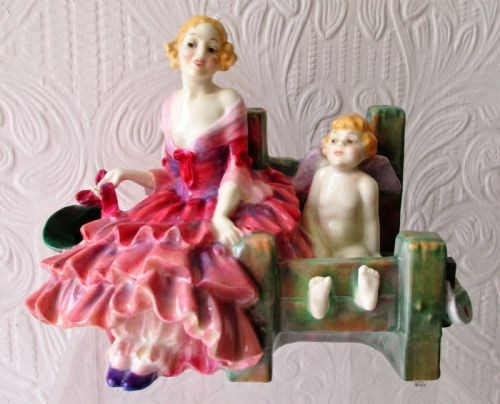
A pink glazed figurine is a decorative ceramic sculpture finished with coloured vitreous coatings, depicting human figures, royalty, couples, or animals. Buyers seeking a pink glazed figurine will find pieces spanning the Victorian era, the Edwardian period, and the nineteen-thirties.
The selections on this page feature porcelain, earthenware, bone china, and faience. Figures range from Staffordshire flatbacks and Royal Dux models to Royal Doulton character studies and French Carnival pairs.
Makers include Royal Dux Bohemia, Royal Doulton, and Royal Worcester, alongside unsigned continental works. These objects served purely as decorative parlour or mantel ornaments rather than utilitarian items.
How they were made
Makers utilised ceramic body materials such as hard paste porcelain, bone china, earthenware, and faience, shaping them through moulding and hand modelling. Surface decoration relied upon ceramic glaze, enamel, and coloured slips applied before firing to create the characteristic pink tones.
Pink Glazed Figurine Retail Price Guide 2026
Typical asking prices for pink glazed figurine among the pieces listed under this phrase on Sellingantiques today, from the lower quarter to the upper quarter. They describe what is for sale here now, not the wider market.
Materials span porcelain, earthenware, bone china, faience, and enamel across Victorian, Edwardian, and Art Deco styles.
What varies in quality
Quality rests in the crispness of the modelling and the sensitivity of the facial painting. Top tier examples show fine detail in hands and drapery, whereas lower tiers display softer mould lines and heavier, less expressive brushwork.
The sophistication of the glaze chemistry separates standard factory output from premier artistic works. Pieces with subtle gradations in pink enamel demonstrate superior kiln control compared to flat, uniform commercial dipping.
Royal Doulton·Royal Dux Bohemia·Royal Worcester·Copeland
The Pink Glazed Figurine Glossary
- Faience
- Tin-glazed earthenware originating in France and other European regions. It provides an opaque white ground for hand-painted enamel decoration.
- Bisque
- Unglazed porcelain fired once to create a matte, porous finish resembling marble. It was frequently used alongside glazed sections for textural contrast.
- Flatback
- A ceramic figure modelled with detail only on the front and sides, designed to sit flush against a wall or mantelpiece. These are typical of nineteenth-century Staffordshire production.
- Majolica
- A type of earthenware decorated with coloured lead glazes over an opaque tin enamel. It produces rich, glossy surface colours.
Pink Glazed Figurine: Frequently Asked Questions
What periods do these pieces come from?
The listings span from the nineteenth century through the Victorian and Edwardian eras into the nineteen-thirties. You will find works reflecting Victorian revival styles as well as Art Nouveau and Art Deco designs.
Dates are determined by factory marks, registered design numbers, and stylistic markers recorded in the titles. Each era brought distinct modelling techniques and palette choices to the ceramic figures.
How were these figurines displayed?
These decorative objects were designed to sit upon mantelpieces, sideboards, and occasional tables in Victorian and Edwardian parlours. Flatback models stood directly against walls in domestic living spaces.
They functioned purely as conversation pieces and interior ornaments rather than serving any practical household purpose. Collectors today place them on bookshelves, cabinets, and tables where their colours can be appreciated.
How do I care for my figure?
Dust your ceramic piece gently with a soft, dry brush to prevent accumulation in crevices and delicate painted areas. Avoid using water or liquid cleaners, which can harm older enamels and glazes.
Keep figures away from direct sunlight to prevent fading of the pink glazes and enamel details over time. Handle them firmly by the base rather than projecting parts like arms or hats.
How do I identify a Royal Doulton figure?
Royal Doulton pieces usually feature stamped factory marks on the base alongside a title and an HN number. The HN numbering system records the specific pattern and date of introduction for each model.
These English porcelain figurines also display specific artistic signatures or stamped monograms depending on the decorator. The style of the stamp helps narrow down the production decade.