
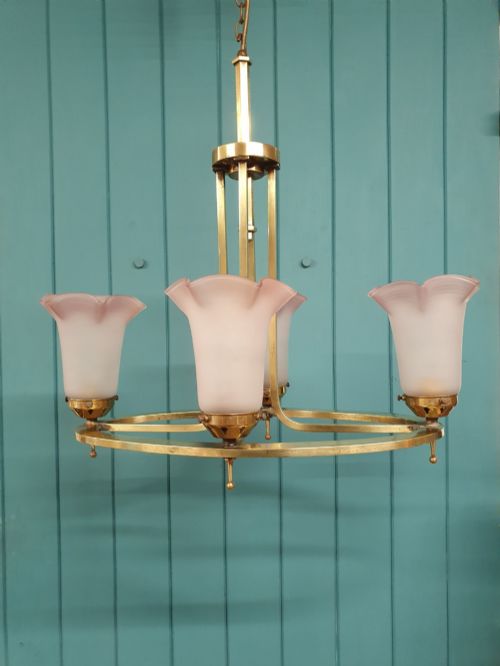


Pink Glass Pendant
These pink glass pendant pieces bring distinctive colour and period character to a room, ranging from delicate Victorian scent bottles to bold Art Deco chandeliers.
Pink Glass Pendant
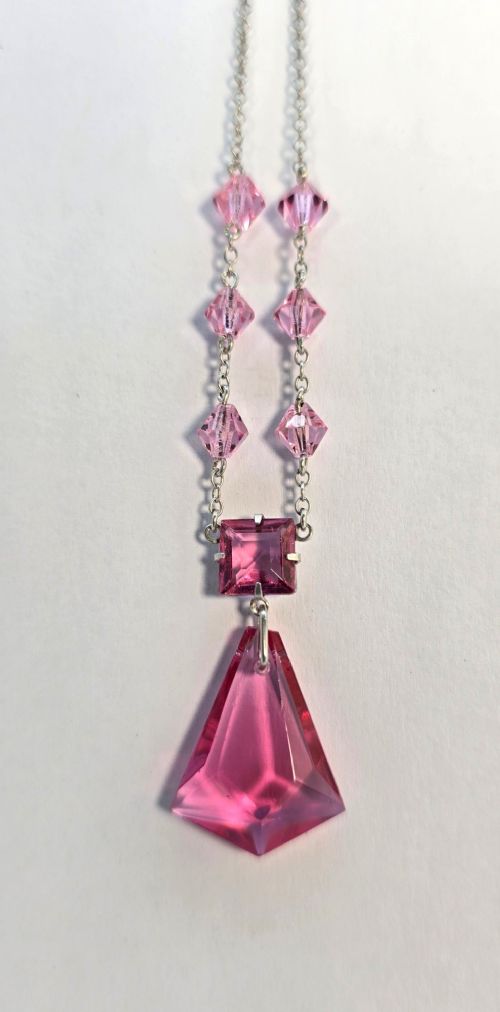
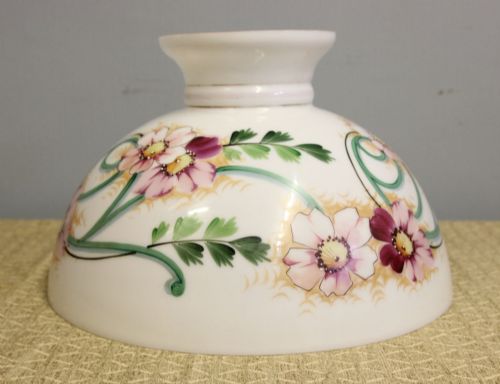
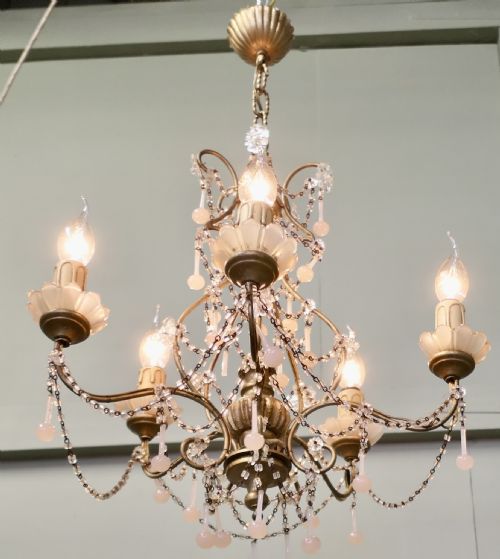
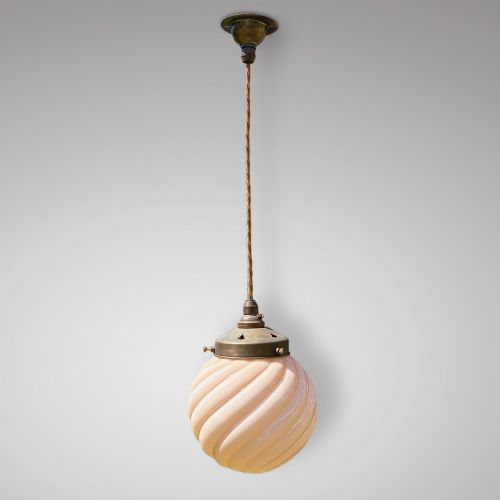
When you search for a pink glass pendant, you encounter a diverse array of items spanning lighting and personal adornment. The selection primarily includes ceiling lights, chandeliers, individual lamp shades, necklaces, and scent bottles.
Lighting fixtures dominate the offerings, particularly pendant lights and multi-branched chandeliers dating from the Victorian era through the Art Deco period. Alongside these, smaller decorative items like hand cut crystal necklaces and silver mounted scent bottles appear.
The objects originate from various European traditions, including French, Italian, and Venetian workshops. Buyers frequently meet pieces featuring moulded, frosted, or cranberry glass suspended from brass or silver mounts.
Materials and construction methods
The primary medium is glass, utilised in specialised forms such as cranberry glass, opaline glass, and pate de verre. Artisans shaped these materials through techniques like hand cutting, etching, and moulding to create rich textural surfaces and distinct hues.
Metalwork forms the structural framework for the hanging fixtures and jewellery mounts. Brass and silver appear regularly, often providing robust suspension for heavy crystal drops and delicate glass shades.
Recorded forms range from large multi-branched chandeliers and pendant lights down to delicate scent bottles and necklaces.
Distinctions in craftsmanship
Quality reveals itself in the depth and uniformity of the glass colour, alongside the precision of any hand cutting or painted decoration. Superior examples display crisp edges on faceted crystals and smooth, even tones within opaline or cranberry pieces.
The integrity of the metal mounts and the complexity of the design also separate standard items from exceptional ones. Elaborate gilt brass frameworks and intricate Venetian forms demonstrate higher levels of artisan skill.
Argy Rousseau
The Pink Glass Pendant Glossary
- Cranberry glass
- A rich red-pink transparent glass produced by adding gold chloride to the molten batch. It became particularly popular during the Victorian period for decorative tableware and lighting shades.
- Opaline glass
- An opaque or translucent pale glass that diffuses light softly, often tinted in pastel shades. It frequently appears in nineteenth and early twentieth century lighting.
- Pate de verre
- A glass casting method where crushed glass is packed into a mould and fused in a kiln. This technique creates a dense, frosted texture with subtle colour gradations.
- Maria Theresa chandelier
- A grand, flat-armed chandelier style originating from eighteenth century Austrian courts. Examples often incorporate coloured crystal drops and elaborate brass frameworks.
- Crimped glass
- Glass shaped with a ruffled or undulating edge while hot, commonly seen on nineteenth century lamp shades. This technique added decorative texture to functional lighting.
Pink Glass Pendant: Frequently Asked Questions
How do I clean a pink glass pendant?
Gently wipe the glass components using a soft cloth dampened with mild soapy water. Avoid harsh chemical cleaners that might damage delicate painted surfaces or vintage metal mounts.
Ensure electrical fittings remain completely dry during cleaning. For intricate chandeliers with numerous crystal drops, professional cleaning or careful individual wiping is advisable.
Are these pink glass lights suitable for modern ceilings?
Many vintage and antique pendant lights can be hung in contemporary interiors with appropriate electrical adaptation. Their standard suspension fixings generally work well with modern wiring standards.
Consult a qualified electrician to check the load-bearing capacity and compatibility of older brass or gilt fixtures before installation.
How can I tell a Victorian pink glass shade from a later one?
Victorian pieces often feature deep cranberry tones or hand-applied enamel details, reflecting nineteenth century aesthetic preferences. They frequently show minor imperfections typical of mouth-blown production.
Later Art Deco examples tend to utilise geometric moulding, opaline surfaces, or brighter pink shades paired with streamlined brass hardware.
What is the difference between opaline and cranberry glass?
Opaline glass is translucent and diffuses light with a milky, pastel appearance. It softens illumination effectively within ceiling fixtures and lamp shades.
Cranberry glass is transparent with a vibrant pink-red colour achieved through gold content. It creates a warmer, more direct coloured glow when illuminated.