



Pink Glass Drops
Pink glass drops catch the daylight and throw coloured light across a room, bringing warmth and character that modern glass simply cannot match.
Pink Glass Drops
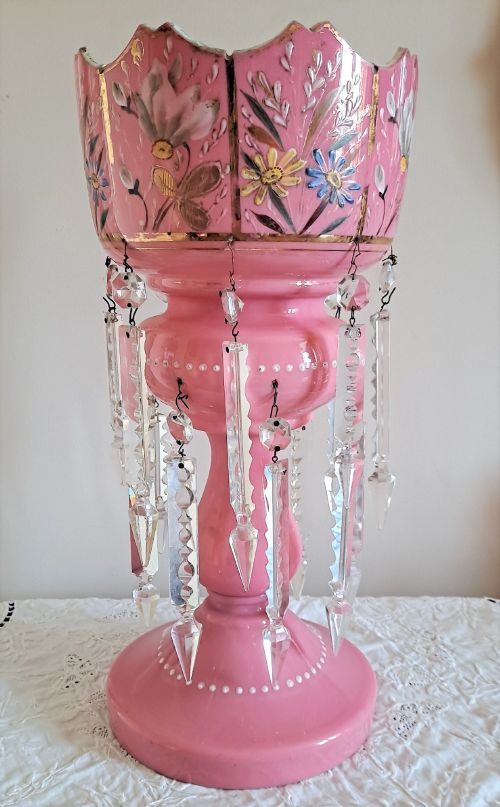
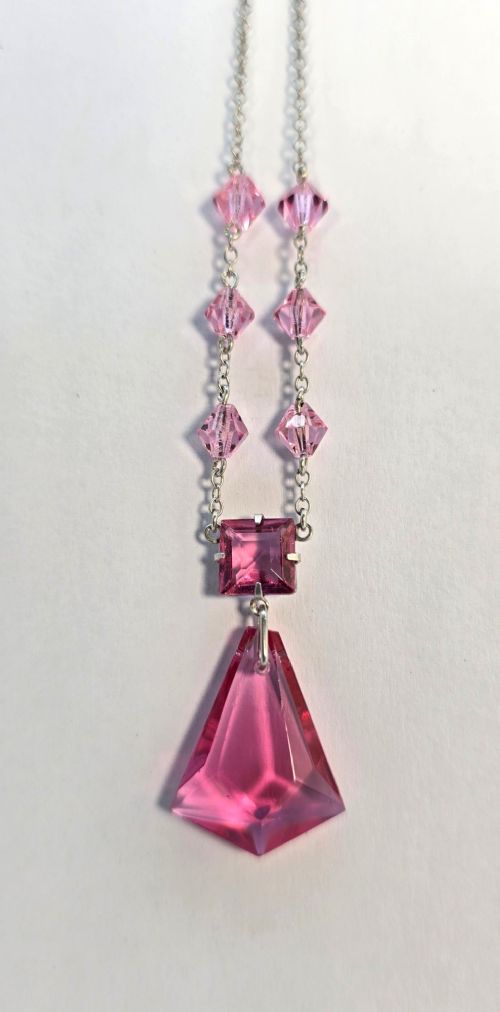
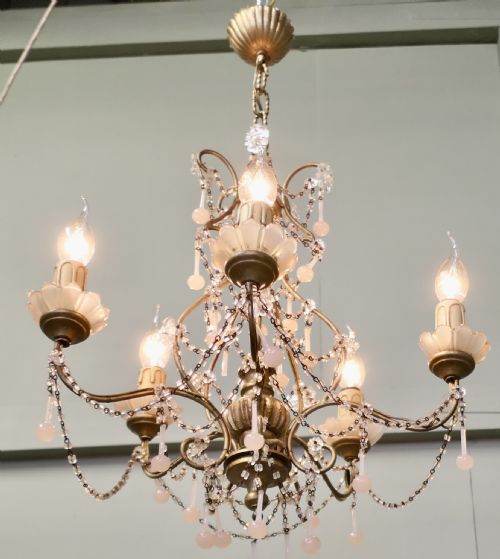
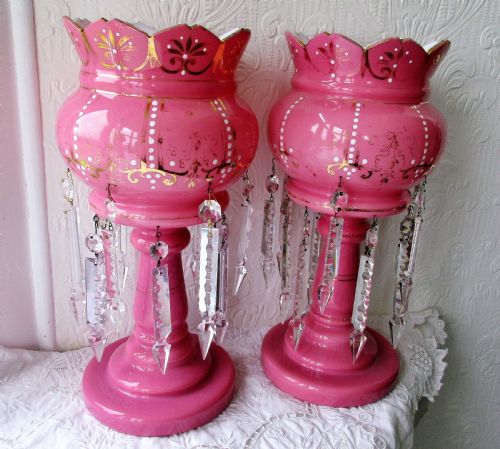
Pink glass drops appear most frequently on chandeliers, lustres, and necklaces dating from the Victorian era through the Art Deco period. These decorative components hang from lighting fixtures and mantel ornaments, or form part of wearable jewellery.
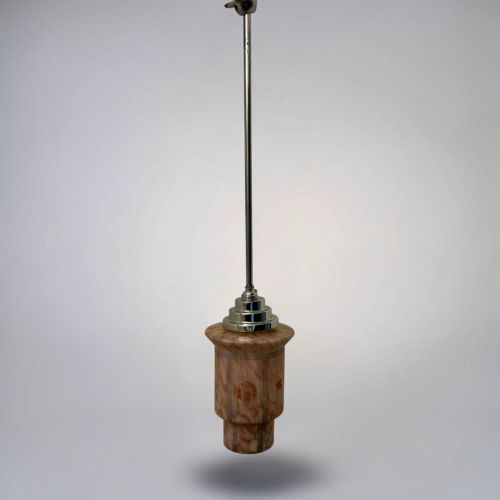
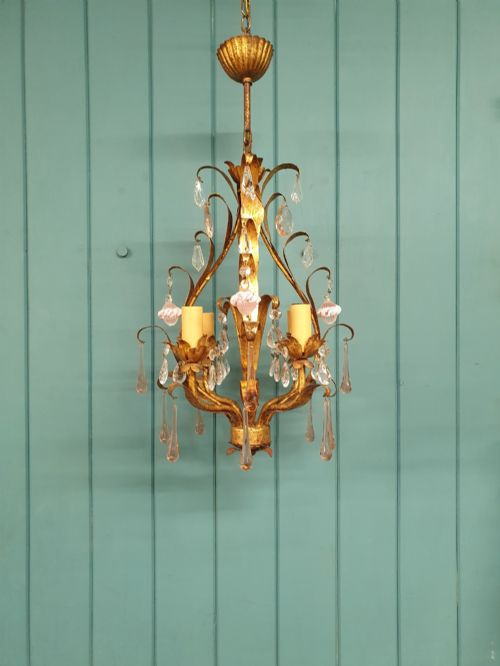
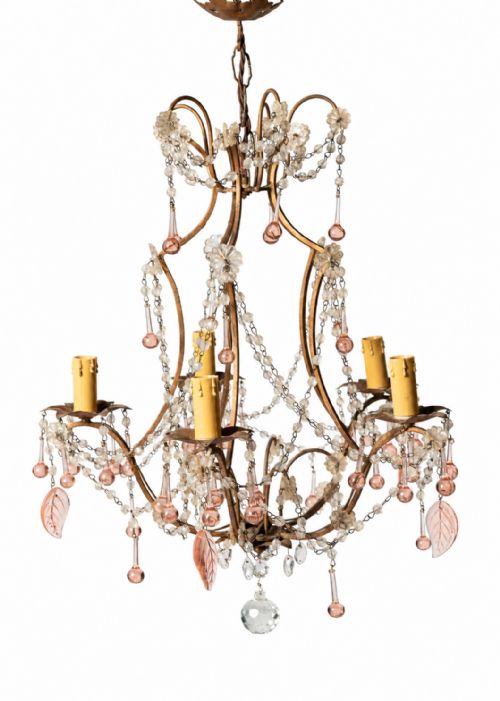
The pieces listed here span the nineteenth century up to nineteen thirty, taking forms such as French and Italian chandeliers, single and paired mantel lustres, and hand-cut crystal necklaces. Victorian examples sit alongside Venetian Art Deco designs and ornate Maria Theresa multi-light fixtures.
Buyers seeking pink glass drops encounter items where the glass forms either the primary hanging prisms or complementary shades and lustres. Each object demonstrates the distinct aesthetic of its period, from robust Victorian craftsmanship to the geometric lines of the nineteen twenties.
How they were made
Glassmakers shaped these items by hand, often incorporating techniques such as cutting and crimping to manipulate the material while hot or cold. Coloured glass received its tint through specific mineral additives during the melting process, creating the distinct pink and cranberry hues.
Metal components in brass, gilt metal, and silver provide the structural support and mounts for the hanging drops. Artisans applied gold leaf for added ornamentation on certain frames, securing the glass elements with traditional wire ties and metal pins.
Pink Glass Drops Retail Price Guide 2026
Typical asking prices for pink glass drops among the pieces listed under this phrase on Sellingantiques today, from the lower quarter to the upper quarter. They describe what is for sale here now, not the wider market.
The listings span from the nineteenth century through the nineteen thirties, encompassing materials such as crystal, brass, silver, and enamel.
What varies in quality
The depth and consistency of the pink colouration dictate much of the visual success of the glass, alongside the clarity of the material itself. Hand-cut crystal facets exhibit sharper refraction of light compared to smoother, moulded glass surfaces.
The integration between the glass drops and their metal armatures reveals the standard of assembly, where secure mounts and complementary brass or silver settings elevate the piece. Intricate detailing on associated elements like crimped shades or carved lustre bodies distinguishes standard production from finer examples.
The Pink Glass Drops Glossary
- Lustre
- A decorative tabletop ornament featuring a central vase hung with long glass prisms. These pieces gained popularity during the Victorian period.
- Chandelier
- A branched ceiling light designed to hold multiple lamps or candles while suspending crystal or glass drops from its arms. They appear in styles ranging from Italian Baroque to Art Deco.
- Maria Theresa
- A grand chandelier style named after the Austrian empress, characterised by flat metal arms covered in glass plates and hung with numerous coloured crystals.
Pink Glass Drops: Frequently Asked Questions
What are pink glass drops used for?
These glass elements primarily adorn antique lighting fixtures and mantel decorations to reflect and refract ambient light. They also appear as components in vintage necklaces and jewellery.
On chandeliers and lustres, the hanging drops enhance the visual sparkle of the piece when illuminated by candles or early electric bulbs.
How do I clean pink glass drops?
Cleaning requires warm water and mild soap applied gently with a soft cloth to avoid scratching the surface or damaging the surrounding metal mounts. Harsh chemicals can strip gold leaf or discolour older metallic finishes.
Leaving the drops attached to the fixture helps prevent accidental damage, though delicate pieces benefit from careful removal for thorough washing.
How do I date pink glass items?
Dating relies on examining the manufacturing technique of both the glass and the metal fittings, such as brass, gilt metal, or silver. Victorian pieces often display heavier casting and rich cranberry tones, while nineteen twenties items lean towards Art Deco geometry.
Matching the object type to documented periods like the nineteenth century or the interwar years provides a reliable chronological frame.
Where were these pieces made?
The available selection shows strong representation from French, English, and Italian workshops spanning the nineteenth and early twentieth centuries. Specific regional styles, such as Venetian Art Deco and Maria Theresa designs, point to traditional European glassmaking centres.
Local artisans utilised distinct regional methods for cutting crystal and colouring glass during the Victorian and later eras.