


Pink Floral Porcelain
Pink floral porcelain brings together hand-painted botanical motifs and delicate ceramic bodies across centuries of English and Chinese craftsmanship.
Pink Floral Porcelain
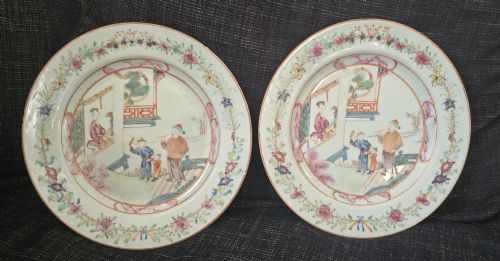
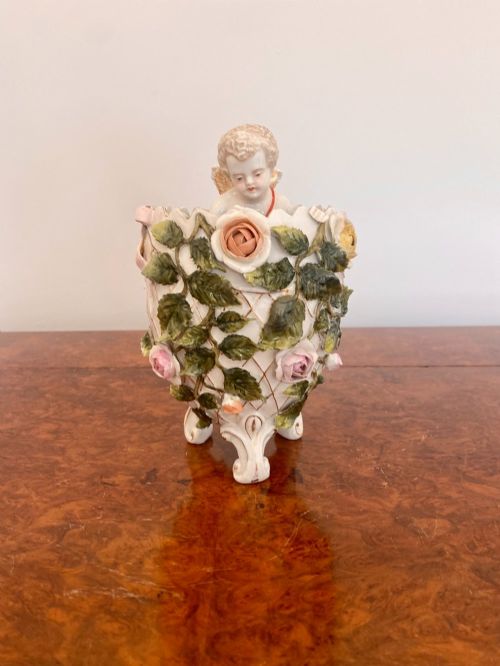
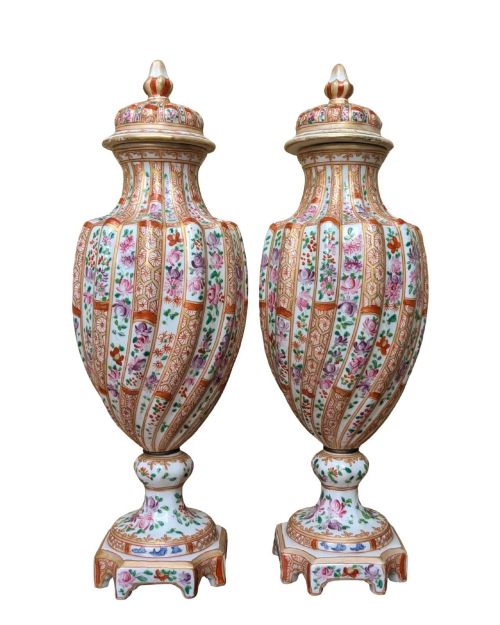
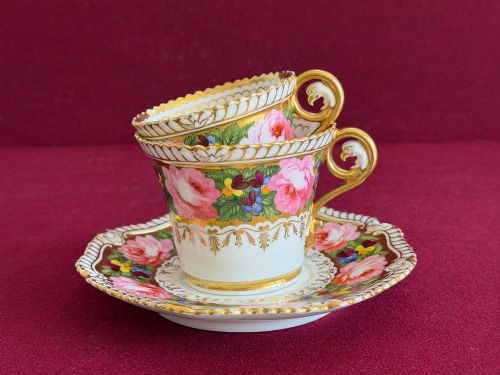
When you search for pink floral porcelain, you encounter a diverse array of objects ranging from 18th-century English tableware to vibrant Chinese export vessels. The items represented span decorative bowls, vases, tea wares, and lamps produced across various periods including the Georgian era and the late 19th century.
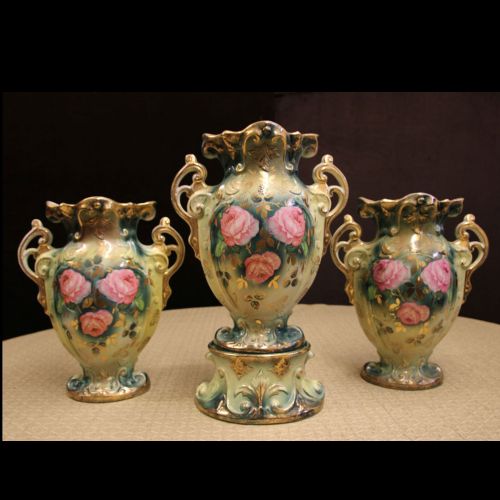
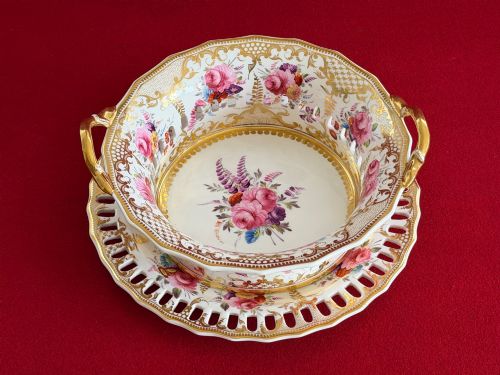
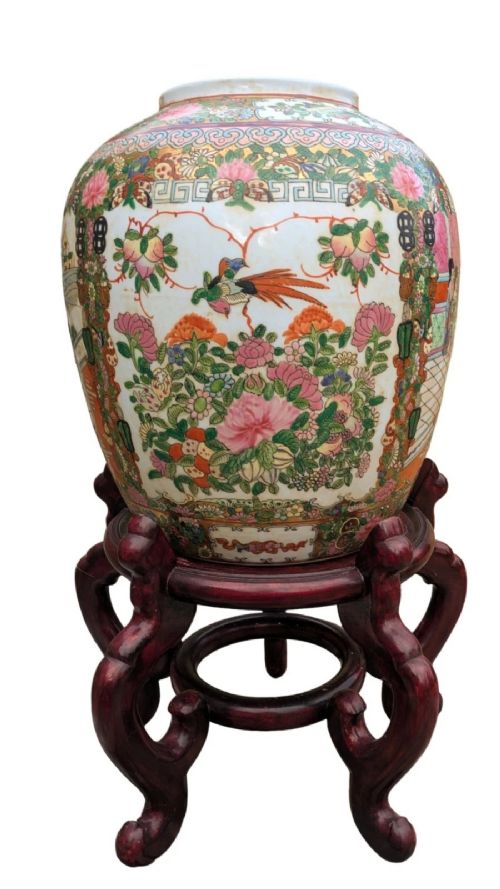
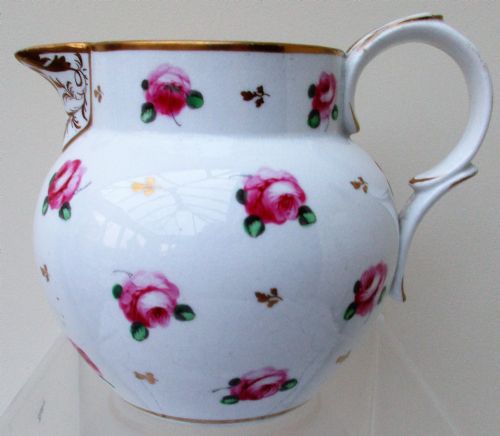
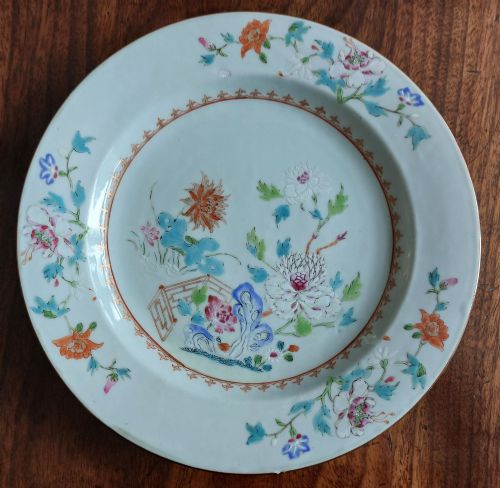
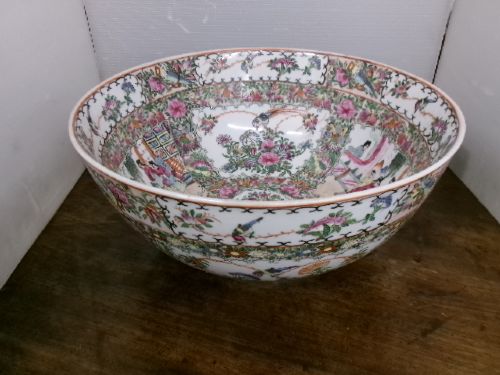
The most common iterations on this page include Chinese Famille Rose and Rose Medallion plates and bowls alongside English factory pieces from Worcester, Derby, and New Hall. These works frequently display pink enamels integrated with peonies, roses, and polychrome floral sprays.
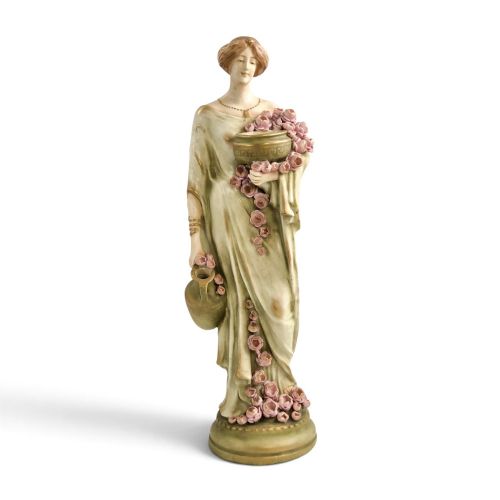
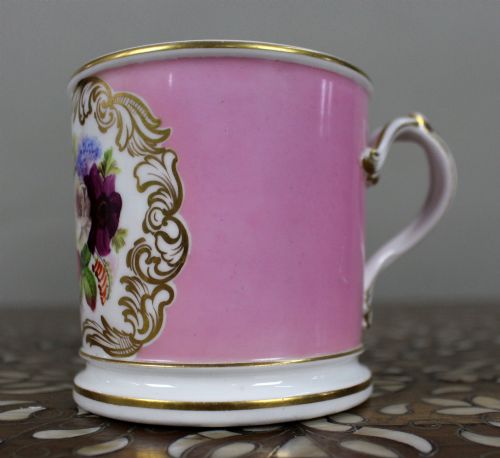
Objects vary significantly in form, from miniature tygs and cream jugs to substantial garden seats and mantle clock cases. Each piece demonstrates how ceramic decorators utilised pink tones to highlight botanical and figurative scenes.
Materials and technique
Potters shaped these pieces using hard-paste or soft-paste porcelain and ceramic bodies, often mounting them with brass, gilt metal, or glaze. Artisans applied hand-painted polychrome pigments directly onto the white ground, incorporating enamel and gold leaf for heightened contrast.
Firing techniques allowed delicate pigments, particularly the distinctive rose and pink enamels characteristic of Famille Rose palettes, to fuse permanently with the glaze. Many items also received applied gilding or four-character seal marks to denote their origin and workshop.
Pink Floral Porcelain Retail Price Guide 2026
Typical asking prices for pink floral porcelain among the pieces listed under this phrase on Sellingantiques today, from the lower quarter to the upper quarter. They describe what is for sale here now, not the wider market.
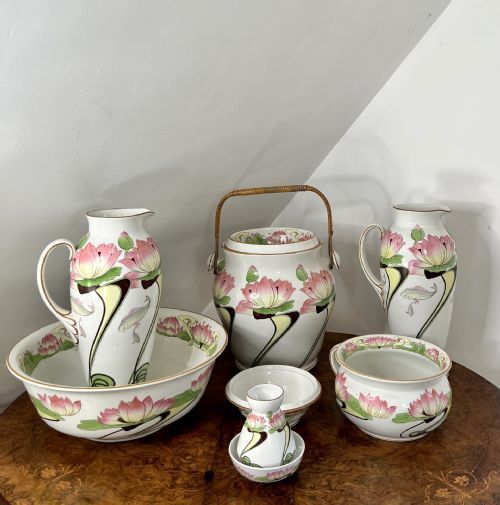
Laughing Buddhas and Songbirds share shelf space with formal Edwardian bathroom sets and miniature tygs, proving pink florals suit almost any company.
Evaluating quality and execution
Quality rests primarily in the precision of the hand-painted brushwork and the delicacy of the floral detail. Pieces featuring finely rendered petals, nuanced shading, and well-preserved gilding stand apart from standard production items.
The crispness of the porcelain body and the clarity of the enamel colours further distinguish superior examples. Origin and factory attribution also influence standing, with recognised makers commanding closer inspection for their technical execution.
Royal Worcester·Chamberlain Worcester·Edme Samson·New Hall·Sitzendorf
The Pink Floral Porcelain Glossary
- Famille Rose
- A major palette of Chinese ceramic glazes introduced in the Qing dynasty, distinguished by an opaque pink enamel derived from colloidal gold. This colourway allowed for subtle tonal gradations in floral and figural painting.
- Rose Medallion
- A specific style of Chinese export porcelain featuring partitioned panels filled with birds, butterflies, and pink flowers around a central medallion. It gained immense popularity during the 19th century.
- Tyg
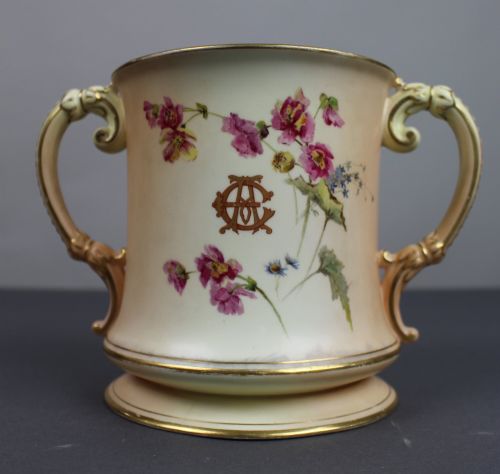
- A large drinking mug with multiple handles, designed for communal passing around a table. English factories such as Royal Worcester produced smaller decorative variants.
- Soft-paste porcelain
- An artificial ceramic paste fired at lower temperatures than true hard-paste porcelain, common in 18th-century English factories like Derby and early Worcester. It possesses a warmer tone and a characteristic glaze texture.
- Polychrome
- Decoration employing multiple distinct colours fired onto the ceramic surface. Hand-painted floral motifs frequently utilised this technique to render naturalistic petals and foliage.
Pink Floral Porcelain: Frequently Asked Questions
What is pink floral porcelain?
Pink floral porcelain encompasses ceramic items decorated with pink enamels and botanical motifs. These range from Chinese export vases to English tea wares.
They reflect diverse stylistic periods, including 18th-century Georgian designs and late Victorian decorative objects.
How do I care for antique porcelain?
Antique porcelain requires gentle hand washing in lukewarm water using mild soap. Avoid abrasive sponges or harsh chemicals that can damage fragile enamel and gold leaf.
Display items away from direct sunlight and sudden temperature changes to protect the glaze and body.
How do I date a porcelain piece?
Dating relies on identifying factory marks, reign seals, styles, and manufacturing techniques. Stylistic shifts like Rococo Revival or Chinese Famille Rose provide reliable chronological markers.
Examining the base, glaze texture, and wear patterns also helps determine the approximate age.
Were these pieces meant for daily use?
Many items such as plates, bowls, jugs, and tea wares served practical functions in period dining and household routines. Over time, their decorative qualities shifted them toward display and collection.
Heavily gilt or finely painted examples were often reserved for formal settings or special occasions.