

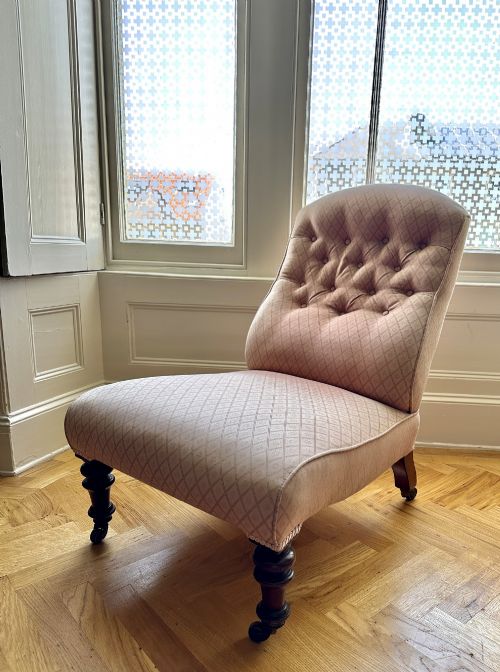


Pink Fabric Chairs
Pink fabric chairs bring warmth and tactile comfort to a room, spanning button-backed nineteenth-century armchairs and generous Edwardian suites.
Pink Fabric Chairs
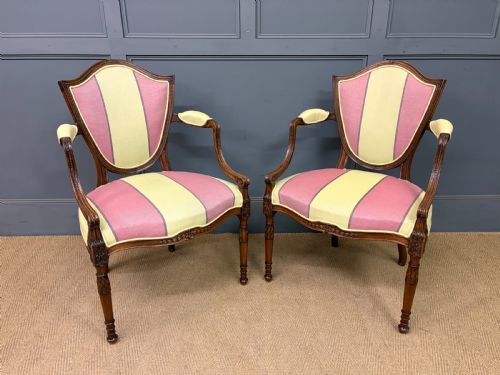
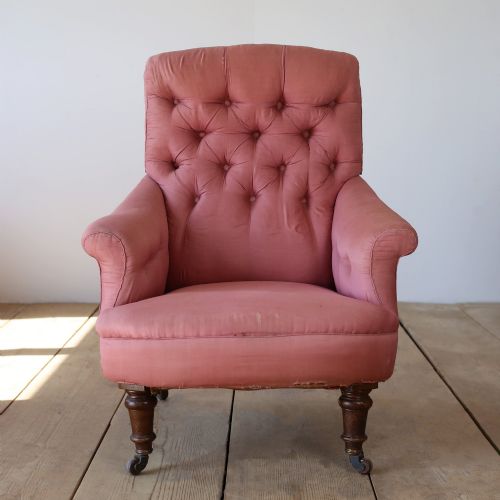
Pink fabric chairs encompass a variety of seating forms, most frequently appearing as armchairs, slipper chairs, and drawing room suites from the nineteenth century onwards. Buyers searching for pink fabric chairs encounter pieces styled after Georgian, Victorian, and Arts and Crafts traditions, often upholstered in velvet, damask, or general fabric.
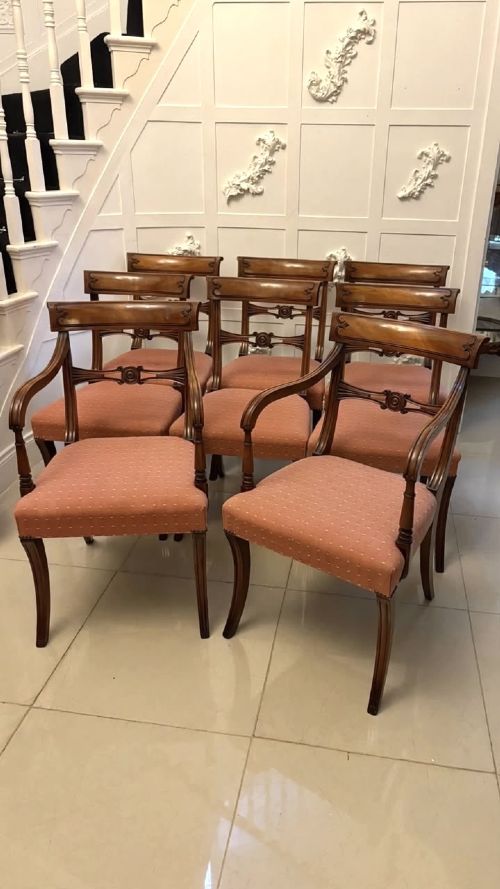
The selection on this page leans heavily towards nineteenth-century and Edwardian armchairs, alongside occasional settees and dining chairs. Frames span mahogany, walnut, and hardwood, frequently paired with brass castors or ball and claw feet.
How they were made
Makers constructed the structural frames from solid hardwoods like mahogany and walnut, employing traditional joinery to support deep seats and buttoned upholstery. Upholsterers worked with materials such as velvet and damask over supportive padding, securing the fabrics with careful tension.
Details such as ball and claw feet or turned wooden legs reflect period craftsmanship, while frames often incorporate brass fittings or exposed mahogany framing to structure the upholstered body.
Pink Fabric Chairs Retail Price Guide 2026
Typical asking prices for pink fabric chairs among the pieces listed under this phrase on Sellingantiques today, from the lower quarter to the upper quarter. They describe what is for sale here now, not the wider market.
Some armchairs come equipped with a matching footstool, ensuring that nineteenth-century relaxation arrived with full architectural support for the feet.
What varies in quality
The distinction between ordinary and superior pieces rests on the integrity of the wooden frame and the precision of the upholstery work. Heavier, deeply sprung armchairs with substantial hardwood frames and well-executed buttoning represent higher standards of period manufacture.
Refined stylistic details, such as matching footstools, distinct walnut grain, or carved ball and claw feet, elevate certain chairs above standard production models.
The Pink Fabric Chairs Glossary
- Button back
- An upholstery technique where depressions are formed in the padding by stitches pulled tight and secured with buttons. This method creates a distinctive quilted texture common on Victorian drawing room chairs.
- Slipper chair
- A low-seated bedroom chair traditionally designed for ladies to sit upon while dressing. These pieces lack arms and sit close to the floor.
- Damask
- A reversible figured fabric woven on a jacquard loom, featuring patterns formed by contrasting warp and weft sateen weaves. It provides a formal texture suitable for period seating.
- Ball and claw
- A furniture foot design depicting a bird's talon grasping a ball, carved into the timber at the base of a leg. This motif appears frequently on Edwardian and revival seating.
Pink Fabric Chairs: Frequently Asked Questions
What periods do these chairs come from?
The pieces span the nineteenth century, Victorian era, Edwardian period, and the 1920s to 1930s. Styles range from Queen Anne and Georgian revivals to Arts and Crafts designs.
Manufacturing dates reflect both original nineteenth-century production and early twentieth-century interpretations, offering variety in frame construction and upholstery style.
Are these chairs suitable for daily use?
Many of these pieces, particularly the deep-seated Edwardian and Victorian armchairs, were built for comfort and heavy domestic use. Their sturdy hardwood frames support active daily sitting.
Buyers should assess the internal spring support and upholstery firmness to ensure the piece matches their intended level of comfort.
How do I identify a Howard style armchair?
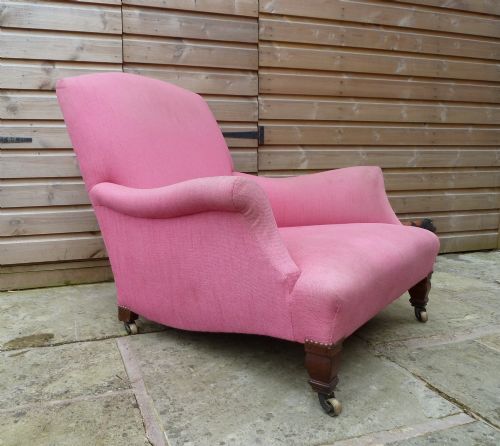
Howard style armchairs are characterised by deep, generous seating proportions and low-slung profiles designed for relaxation. They often stand on short wooden legs with brass castors.
Upholstery on these chairs is typically plush, and pieces may feature matching footstools or form part of a larger suite with a matching sofa.
What wood types are used in the frames?
Makers predominantly utilised mahogany and walnut for visible wooden elements such as framed backs, library arms, and dining chair legs. Other pieces rely on general hardwood structures hidden beneath upholstery.
Exposed timber frames often show polished finishes that highlight the grain of the walnut or mahogany.