


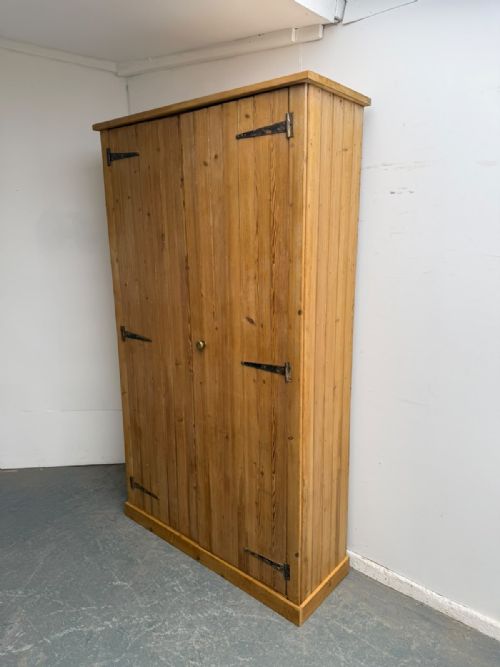
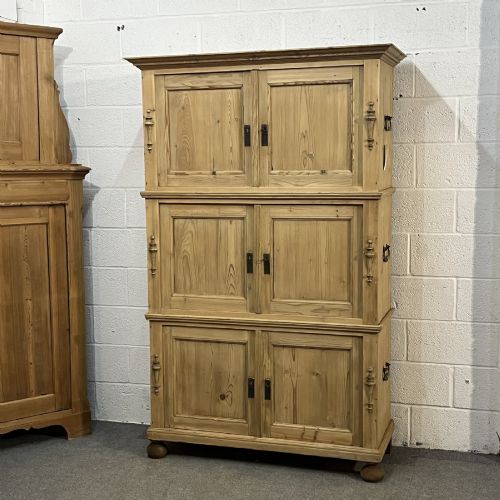
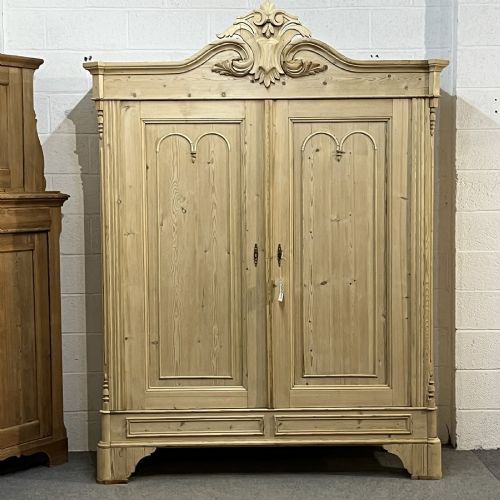
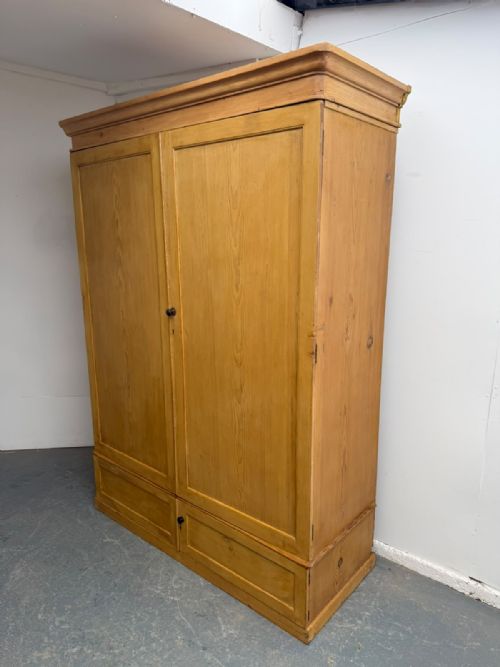
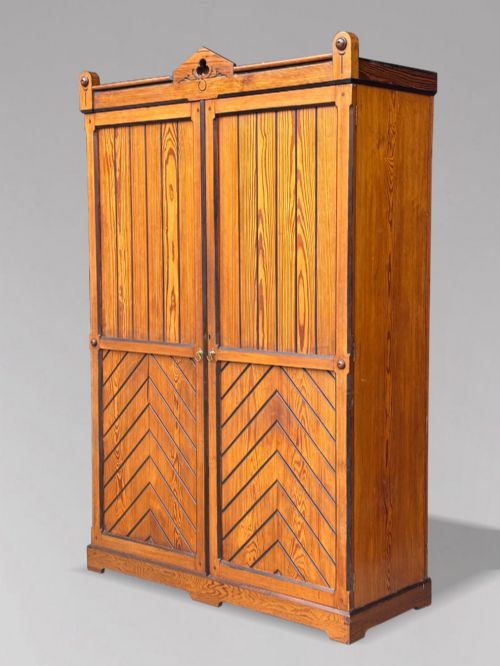
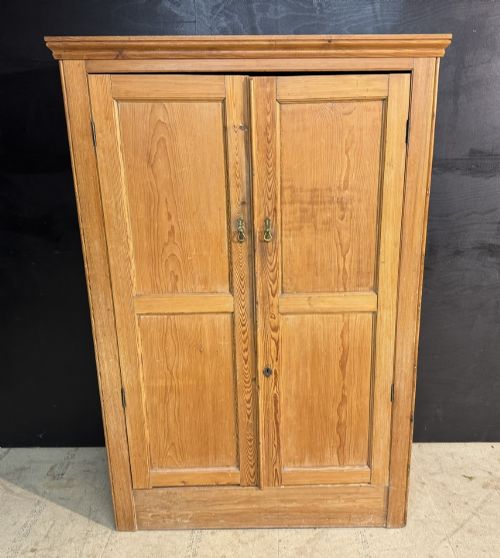
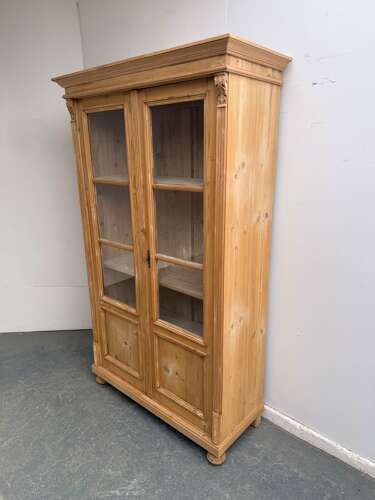
Pine Wardrobe Cabinet
A pine wardrobe cabinet brings honest timber and practical volume to any room, offering the sturdy storage that houses need.
Pine Wardrobe Cabinet
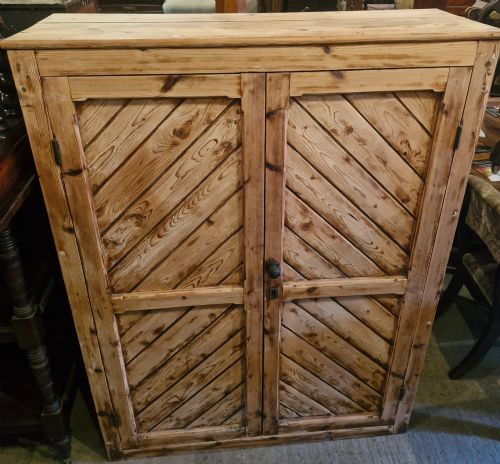
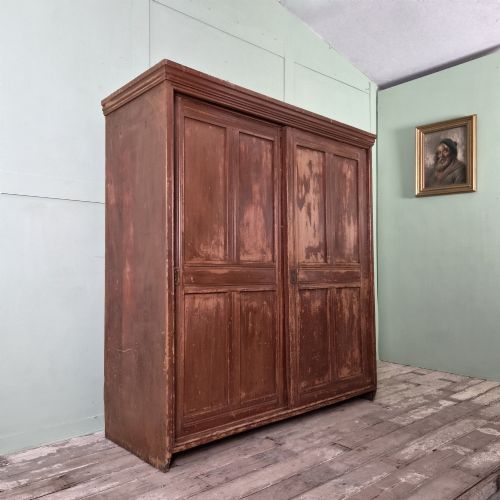
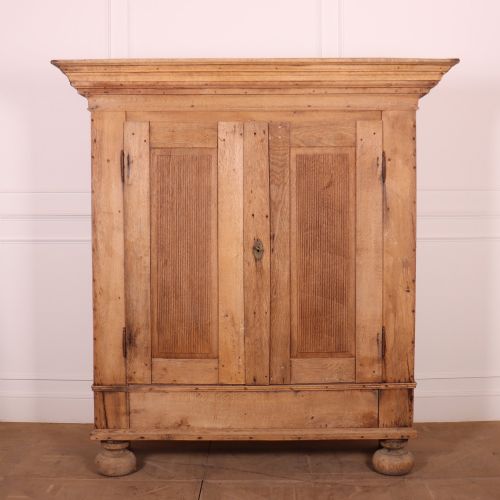
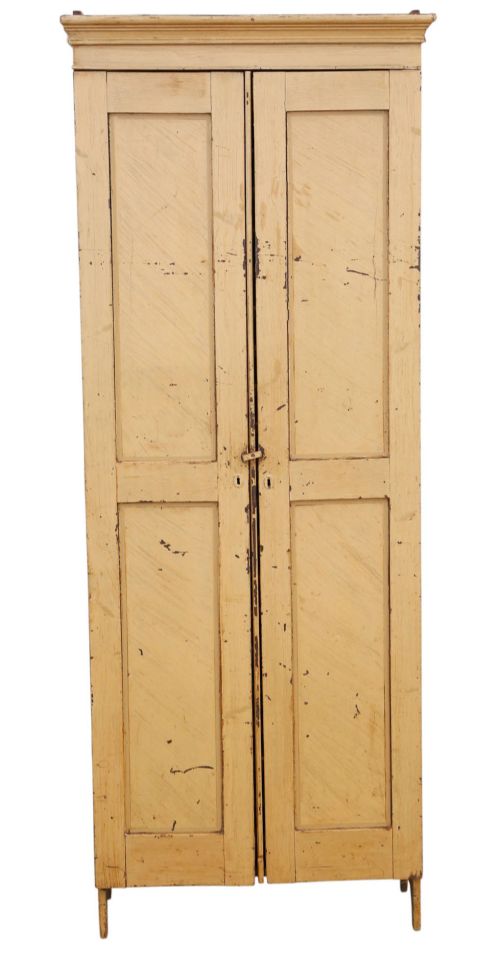
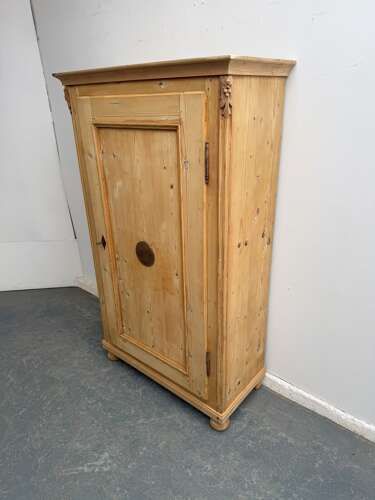
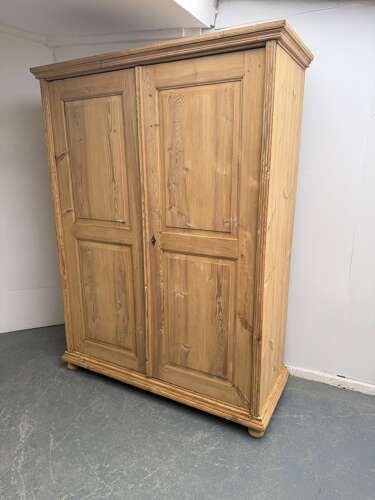
When searching for a pine wardrobe cabinet, buyers encounter robust storage furniture spanning several centuries and regions. The selection ranges from tall nineteenth-century double wardrobes and linen presses to regional cupboards and campaign pieces.
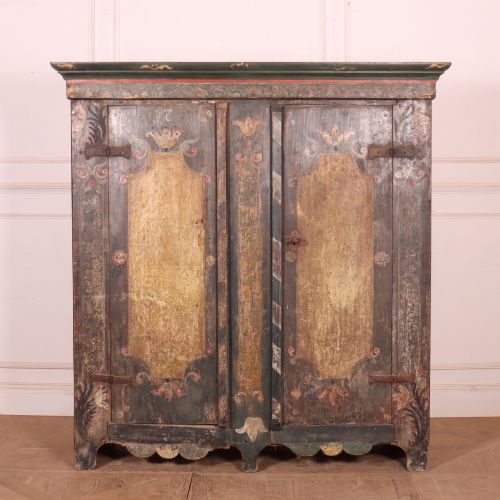
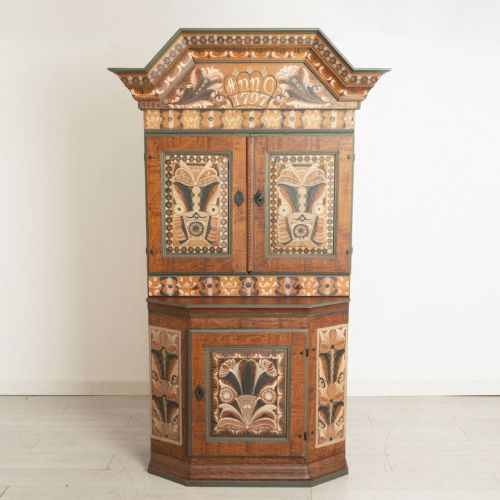
Victorian examples dominate the listings, often built with knockdown frames for easier transport. Alongside these sit earlier Georgian cottage pieces, Arts and Crafts designs, and continental painted folk art cabinets from Sweden and France.
How they were made
Makers utilised solid pine planks, joining them with traditional methods such as dovetailing for drawers and mortise and tenon joints for frames. Many large wardrobes were engineered as knockdown units held together by wooden pins or iron bolts so they could be moved between rooms.
Surfaces vary between plain waxed timber, stained finishes, and original or later layers of paint. Hardware typically includes brass or iron handles, hinges, and latches that secure large panelled doors.
Pine Wardrobe Cabinet Retail Price Guide 2026
Typical asking prices for pine wardrobe cabinet among the pieces listed under this phrase on Sellingantiques today, from the lower quarter to the upper quarter. They describe what is for sale here now, not the wider market.
Some nineteenth-century wardrobes were constructed with secret bottom drawers specifically designed to hide valuables from household staff.
What varies in quality
Construction details separate standard utility pieces from finer examples, particularly the thickness of the pine boards and the integrity of the joints. Well-executed fielded panels and balanced proportions indicate better workshop practice.
Originality of surface finish also influences character. Pieces retaining their early paint or clean waxed patination hold distinct visual weight compared to those stripped down repeatedly over generations.
The Pine Wardrobe Cabinet Glossary
- Knockdown
- A piece of furniture designed to be taken apart into sections for transport and reassembled on site. This method was essential for moving large wardrobes up narrow staircases.
- Linen Press
- A tall cabinet featuring upper sliding trays or shelves for textiles and lower drawers for bulkier garments. They provide deep storage capacity.
- Fielded Panel
- A wooden panel with bevelled edges set into a recessed frame to allow for natural timber movement. This technique prevents the wood from splitting as humidity changes.
- Campaign Cupboard
- Portable furniture built for travel, usually featuring recessed iron hardware and sturdy construction to withstand transit. These pieces prioritise robust utility.
Pine Wardrobe Cabinet: Frequently Asked Questions
How do I assemble a knockdown wardrobe?
Knockdown wardrobes dismantle into separate panels, cornices, and bases to make transport manageable. Reassembly typically involves sliding or bolting the upright sides into the base before securing the top crown.
Most historic examples rely on simple slot joints, wooden pegs, or internal iron screws that require basic hand tools to tighten safely.
Are these cabinets suitable for modern hangers?
Many older pine wardrobes were built with fixed shelves, linen presses, or shallow hanging depths designed for historical garments. Converting the interior requires checking the internal clearance from front to back.
Some models accommodate standard modern rails easily, while others suit folded knitwear, linens, or books better than full-length coats.
Should I wax or paint my pine cabinet?
Surface treatment depends on the existing condition and whether the timber wears historical layers of paint or bare wax. Keeping original paint preserves the historic character of regional folk art pieces.
Unfinished or stripped timber benefits from traditional beeswax applications to nourish the grain and build a soft, protective sheen over time.
How do I date an antique pine wardrobe?
Dating relies on observing construction traits, hardware types, and stylistic details such as Victorian arching or Georgian proportions. Hand-cut dovetails and pegged joints generally point towards earlier craftsmanship.
Machine-sawn timber and simpler joinery typically indicate later nineteenth or early twentieth-century production dates.