



Pine Top Table
A pine top table brings honest utility to a room, offering scrubbed or waxed surfaces built for daily family life.
Pine Top Table
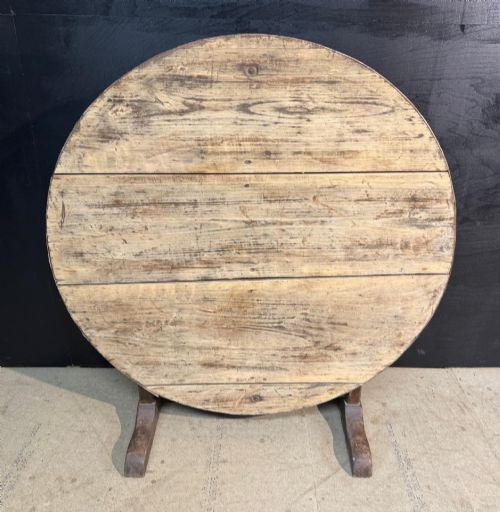
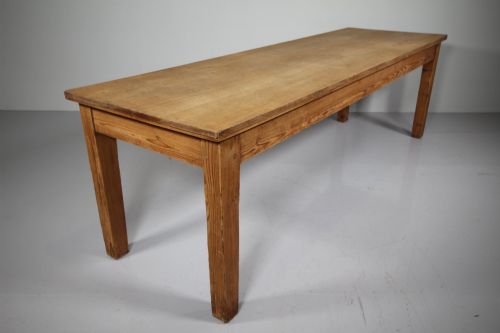
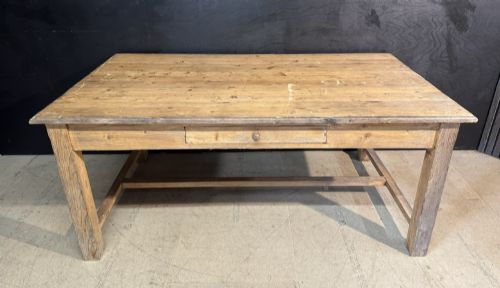
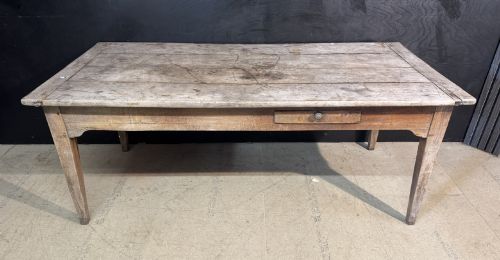
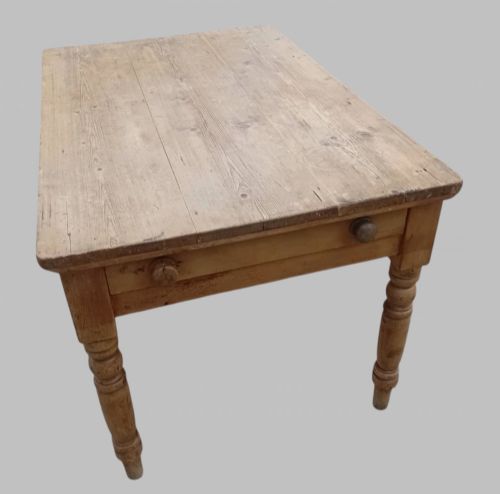
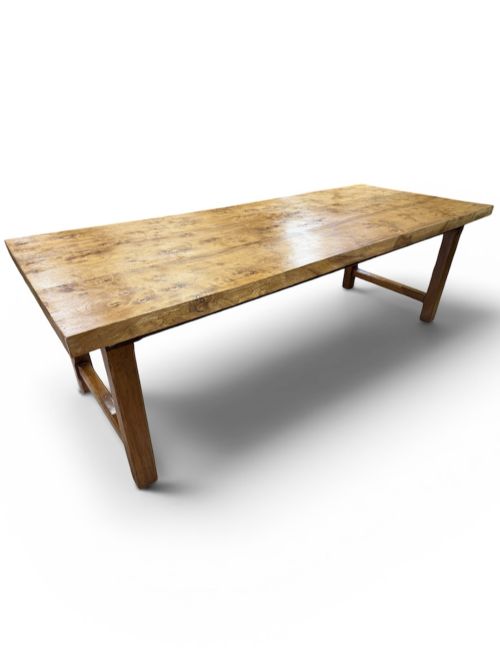
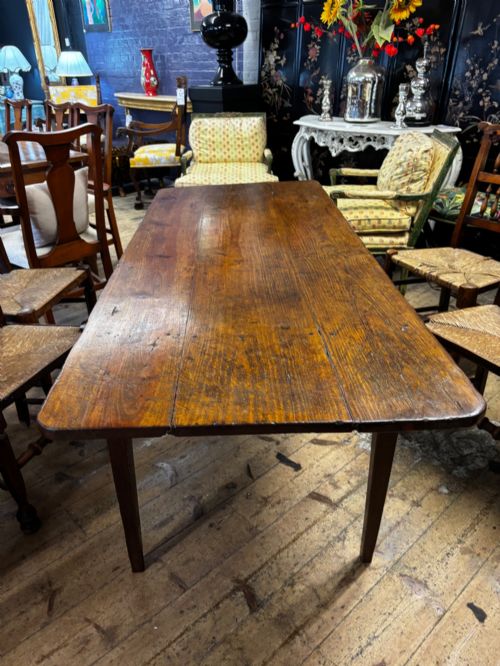
A pine top table serves primarily as a robust kitchen or dining surface, shaped by rural domestic traditions across Britain, France, and Scandinavia. These pieces range from scrub top kitchen tables and drapers tables to large farmhouse dining tables designed to seat six or more people.
Beyond standard dining formats, the category encompasses specialised forms like dairy tables, harvest tables, and scrub top pantry tables. Their origins extend across English country houses, French Normandy provinces, and Swedish rural workshops.
How they were made
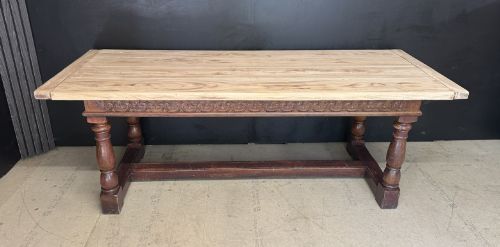
Construction relies on solid softwoods for the primary surface, frequently paired with harder timbers like oak, fruitwood, chestnut, or sycamore for bases and structural frames. Carpenters joined thick planks using traditional methods to withstand heavy daily labour in kitchens and dairies.
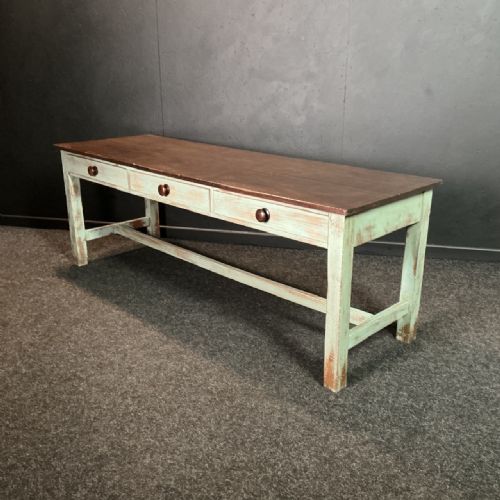
Surfaces were finished either to be regularly scrubbed clean with soap and water, leaving a pale grained texture, or treated with wax to enrich the wood tone. Bases often received coats of paint, with many pieces retaining original painted finishes or showing traces of later historical paint layers.
Pine Top Table Retail Price Guide 2026
Typical asking prices for pine top table among the pieces listed under this phrase on Sellingantiques today, from the lower quarter to the upper quarter. They describe what is for sale here now, not the wider market.
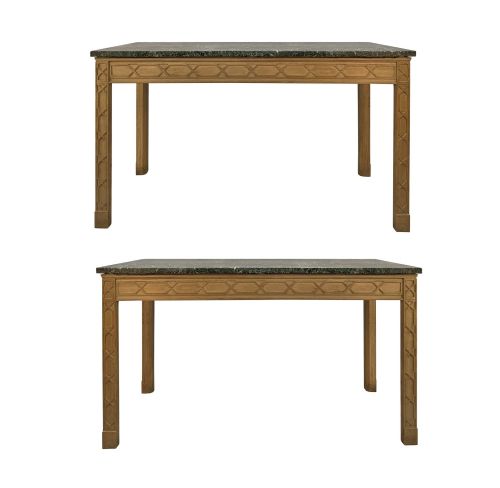
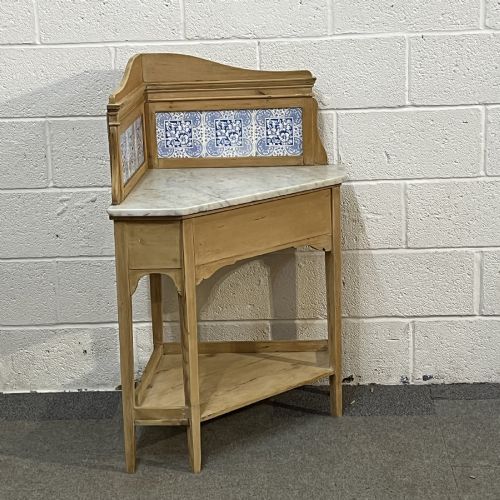
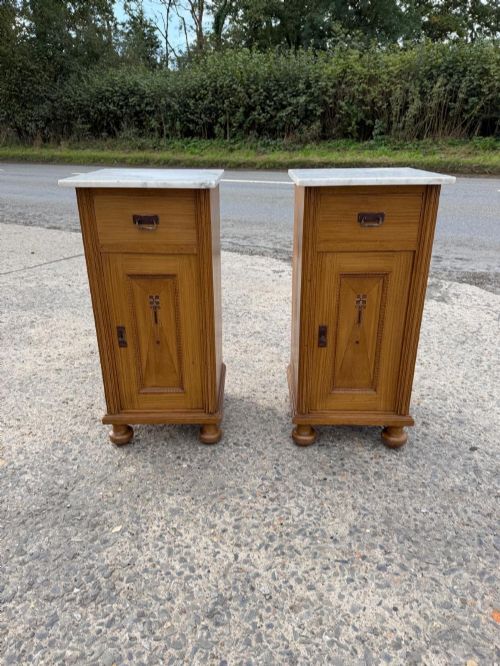
Listings span the nineteenth century and early twentieth century, featuring pine paired with oak, fruitwood, and marble.
What varies in quality
Quality rests on the integrity of the timber selection, particularly the thickness and maturity of the pine boards forming the top. Tables constructed from wide, stable planks with minimal replacement parts command greater regard than those assembled from mismatched timber.
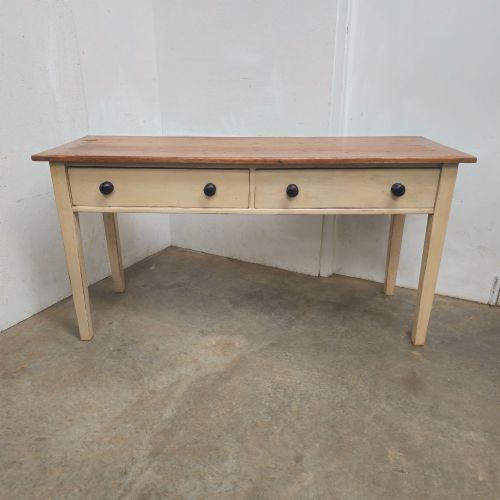
Proportion and structural balance separate standard utilitarian pieces from finer examples, such as those with multiple well-fitted drawers or integrated hardwood underframes. The survival of original painted surfaces on the base adds significantly to the character of a piece.
The Pine Top Table Glossary
- Scrub top
- A bare wooden surface repeatedly scoured clean with water and abrasive brushes, producing a pale, weathered texture.
- Farmhouse table
- A large, sturdy wooden table intended for daily communal dining and food preparation in a rural kitchen.
- Drapers table
- A long, narrow table historically used in textile shops for folding cloth, often fitted with lower tiers or drawers.
- Cricket table
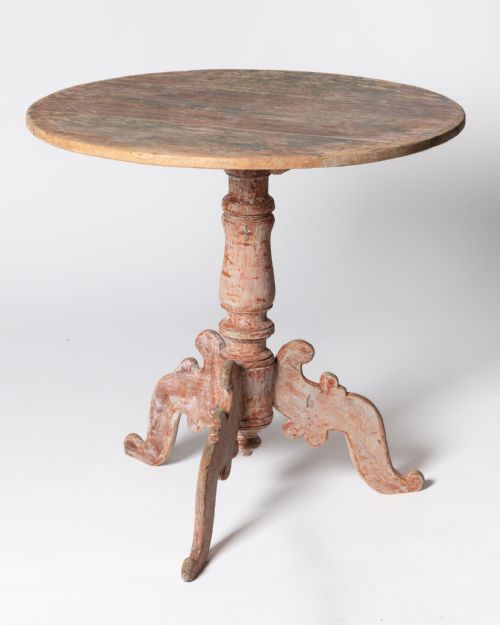
- A small, lightweight occasional table supported by three splayed legs, providing stability on uneven flagged floors.
- Refectory table
- An exceptionally long dining table designed for communal meals, featuring sturdy stretcher-supported legs.
Pine Top Table: Frequently Asked Questions
How do I clean a scrub top?
Scrub the wood grain gently using warm water and a mild soap, moving in the direction of the timber fibres.
Rinse thoroughly and allow the surface to dry completely to prevent the pine from warping.
Are these tables suitable for daily dining?
These tables were built specifically for heavy domestic use, making them durable choices for everyday family meals.
Their solid construction handles daily wear while developing a richer patina over time.
How do I identify a Victorian pine table?
Look for nineteenth-century construction traits, such as hand-cut joints, thick single-piece tops, and traditional timber framing.
Many examples feature turned wooden legs, original drawer construction, or remnants of early painted finishes.