


Pine Side Cupboard
A pine side cupboard brings honest utility and enduring timber character to a room, ranging from compact bedside storage to large country pieces.
Pine Side Cupboard
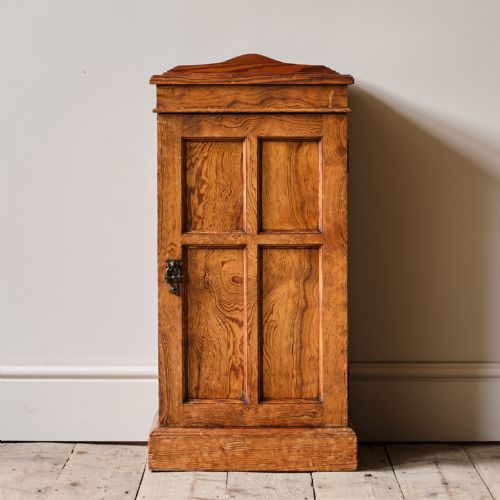
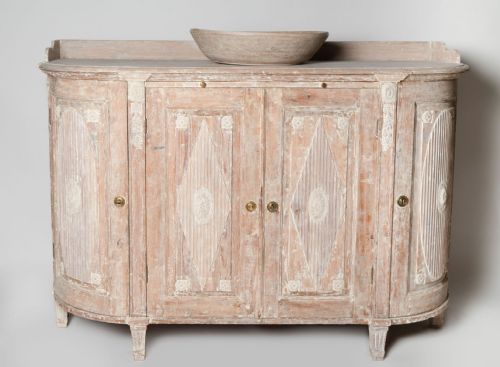
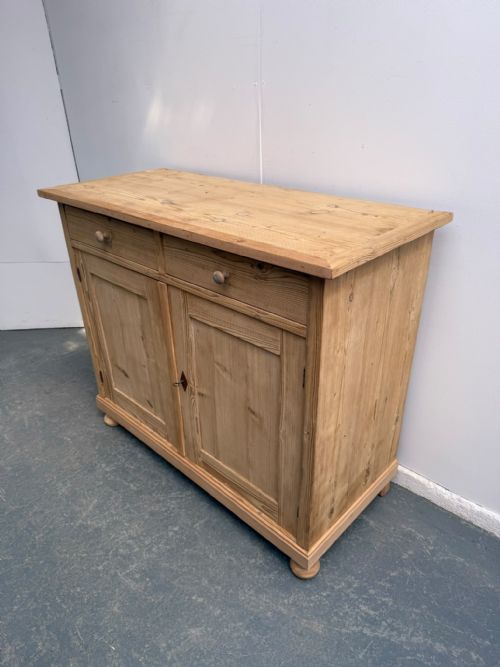
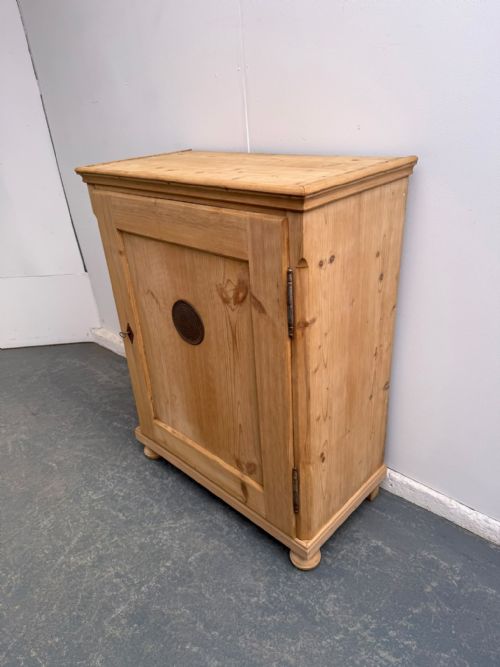
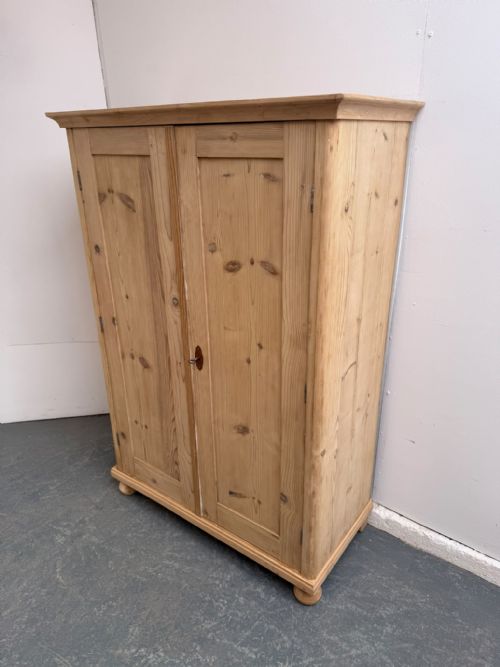
A pine side cupboard encompasses a diverse group of practical timber furniture designed for storage along walls and beside beds, appearing in forms such as bedside cabinets, pot cupboards, and larger kitchen dressers. These items span multiple centuries, with Victorian examples and nineteenth-century Scandinavian painted pieces forming a significant part of the available selection.
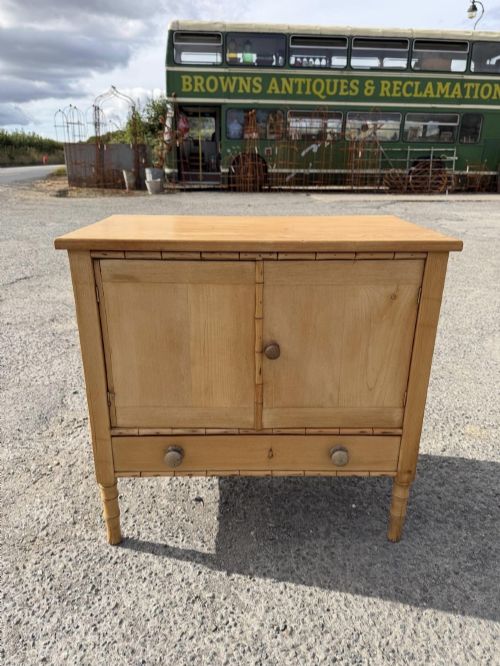
Buyers encounter variations ranging from compact single-door bedside units to substantial multi-door cupboards and shop fittings, originating from English, French, Hungarian, and Swedish workshops. The construction frequently includes functional drawers and cabinet space, serving both utilitarian storage needs and regional decorative traditions.
Materials and Construction
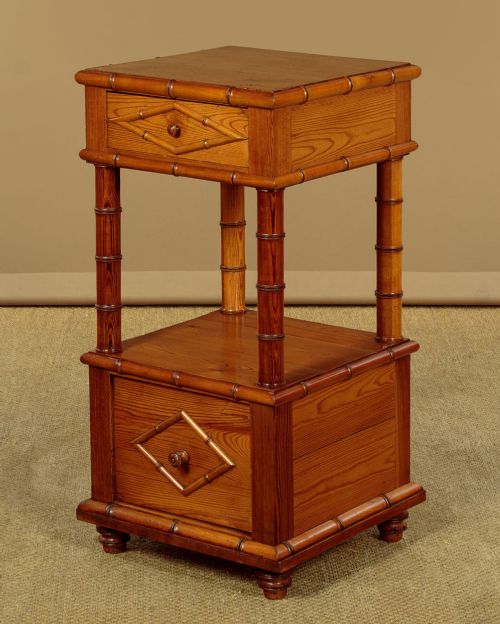
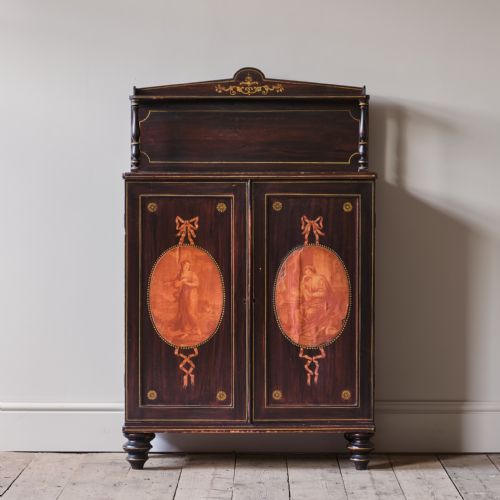
Makers constructed these cupboards primarily using pine, occasionally incorporating pitch pine or Oregon pine alongside oak, metal handles, and brass or ceramic details. Surfaces display either waxed finishes that expose the natural grain or layered paint treatments including simulated rosewood, faux bamboo, and various painted colour schemes.
Joinery techniques span traditional panelled door construction, carved decorative elements, and fitted drawers, reflecting both vernacular country craftsmanship and refined period styles like Gothic Revival, Regency, and Arts and Crafts.
Listings feature items from the eighteenth century, Regency period, Victorian era, and Edwardian times, using pine, oak, brass, and ceramic.
Craftsmanship and Surface
Quality in these pieces rests upon the integrity of the timber construction, the crispness of any applied carving or columns, and the preservation of original painted surfaces where applicable. Superior examples display thoughtful proportions, well-fitted doors and drawers, and hardware that integrates harmoniously with the wood.
The distinction between standard utility items and finer decorative examples often lies in the depth of regional detailing, such as faux bamboo turnings, columned supports, tiled accents, or untouched historic paint.
The Pine Side Cupboard Glossary
- Pitch pine
- A dense, resinous variety of pine timber known for its prominent grain patterns and durability.
- Pot cupboard
- A small bedside cabinet originally constructed to house a chamber pot.
- Chiffonier
- A compact sideboard or low cupboard featuring drawers and shelving, popular during the nineteenth century.
- Faux bamboo
- Wood turned and carved by hand to imitate the appearance and jointed segments of natural bamboo cane.
- Shop fitting
- Heavy-duty commercial furniture adapted from retail environments for domestic storage use.
Pine Side Cupboard: Frequently Asked Questions
Where should I place a pine side cupboard?
These cabinets suit bedrooms as bedside storage or living spaces where compact wall storage is required. Their modest footprint allows them to tuck neatly beside seating or along narrow corridors.
Larger variations function effectively in kitchens and dining areas for storing tableware and provisions, bringing accessible utility to daily routines.
How do I care for a waxed pine finish?
Maintaining a waxed surface involves occasional applications of quality beeswax to nourish the timber and protect against moisture. Avoid placing untreated pine directly near strong heat sources that might dry the wood.
Regular dusting with a soft, dry cloth preserves the natural lustre without stripping the historic patina built up over decades.
Are painted pine cupboards original?
Many items retain historic paint finishes applied during the nineteenth century or earlier, particularly those originating from Scandinavian and continental workshops. These layers show authentic wear and tonal depth accrued through long use.
Other examples feature bare wood intended for future waxing or modern painting according to interior preferences.
What is the difference between a pot cupboard and a bedside cabinet?
Pot cupboards were historically built with a single enclosed compartment specifically to hide a chamber pot out of sight. Modern usage often treats them interchangeably with general bedside cabinets.
Both forms provide compact enclosed storage, though bedside cabinets frequently incorporate open shelves or additional small drawers.
How can I identify a Victorian pine piece?
Victorian cupboards often display distinct period characteristics such as turned column supports, panelled doors, and heavy brass or ceramic hardware. Construction methods from this era rely on solid timber framing and hand-cut joinery details.
Stylistic crossovers into Gothic Revival or Aesthetic Movement variants provide further clues regarding the exact decade of manufacture.