



Pine Sea Chest
A pine sea chest offers robust utilitarian storage built for travel, carrying the practical history of the nineteenth century into modern interiors.
Pine Sea Chest
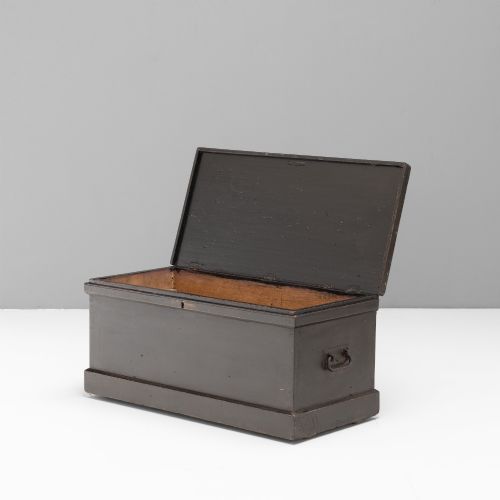
When you search for a pine sea chest, you encounter heavy wooden trunks originally built for sailors, soldiers, and travelling tradesmen during the nineteenth and early twentieth centuries. These boxes served as portable wardrobes and tool stores on long journeys by sea and land.
The versions you meet most frequently on this page date from the Victorian era and the broader nineteenth century. They appear in forms ranging from plain utilitarian boxes to painted maritime trunks and brass-bound military campaign pieces.
Beyond basic storage trunks, the evidence shows related formats such as carpenters' boxes, dome top chests, and tool chests sharing the same robust construction. Their origins span standard domestic workshops as well as military contexts.
How they were made
Makers constructed these chests primarily from solid pine and pitch pine, selecting softwood for its lightness and resilience during transit. Carpenters joined the heavy planks using secure corner joints to withstand the rough handling aboard ships and trains.
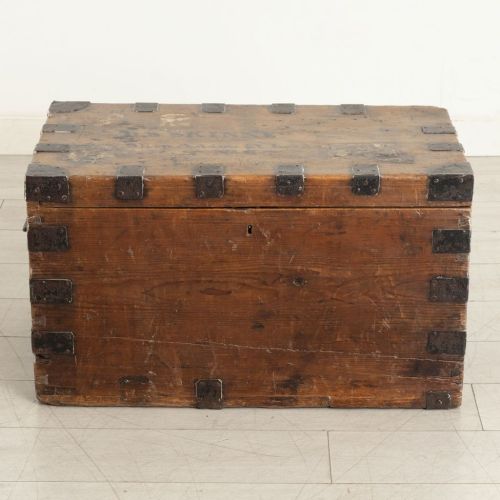
To reinforce the wooden body against heavy loads and hard knocks, makers added iron straps, brass corner mounts, and sturdy side lifting handles. Iron bound edges and working locks provided both structural strength and security for the owner's belongings.
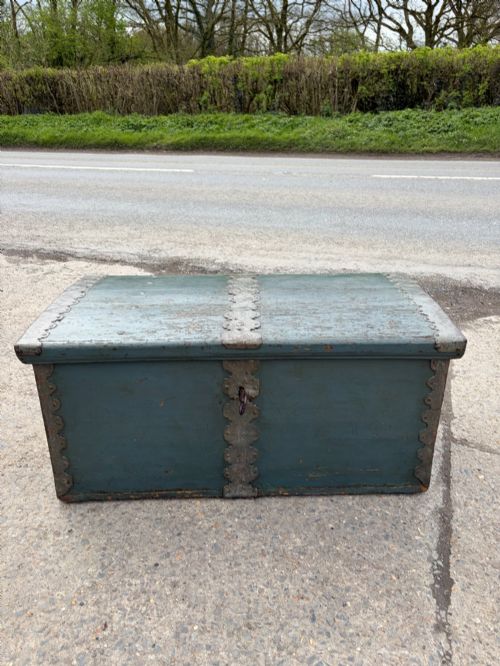
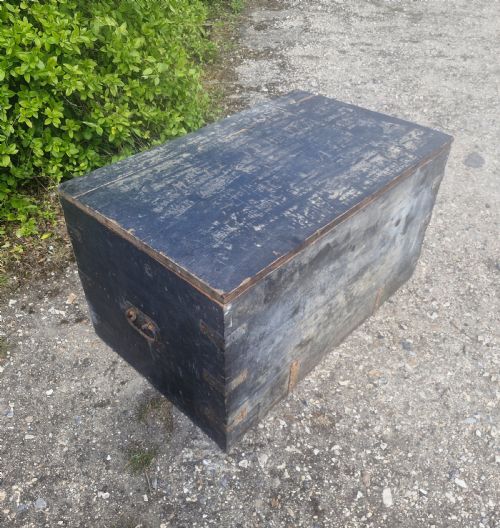
Surfaces frequently received protective treatments including original paint, scumble finishes, or hand-painted maritime details. Rope handles also appear on specific seaman's chests, offering a flexible grip for hauling the heavy box.
Listings feature items dated from Victorian and nineteenth-century periods through the early twentieth century, constructed from pine, pitch pine, iron, brass, and rope.
What varies in quality
The distinction between ordinary utility boxes and superior examples rests in the intactness of original surfaces and specialised hardware. Chests retaining their early painted finishes, stencilled lettering, or distinctive maritime motifs command greater interest.
Structural integrity and hardware completeness elevate specific pieces above standard storage trunks. Examples featuring robust brass binding, heavy iron brackets, and original working locks demonstrate higher initial status or specialised military commission.
George Waters·T L Aveling
The Pine Sea Chest Glossary
- Pitch pine
- A dense, resinous softwood used for durable furniture and heavy trunks. It yields a pronounced grain pattern that accepts clear finishes well.
- Scumble pine
- A decorative surface treatment applied with glazes to imitate finer timbers or create mottled patterns on softwood. This technique appears widely on nineteenth-century country furniture.
- Campaign trunk
- A portable chest built for military officers on active service abroad. These pieces typically incorporate recessed brass handles and reinforced corners for frequent transit.
- Dome top chest
- A storage box featuring a curved lid designed to shed water during travel. This archaic form predates flat-topped trunks.
- Seaman's chest
- A utilitarian wooden box constructed for sailors to store personal possessions aboard ship. They frequently include rope handles and internal till compartments.
Pine Sea Chest: Frequently Asked Questions
What is a pine sea chest?
A pine sea chest is a heavy wooden trunk constructed to store a sailor's possessions during long maritime journeys. They utilise durable softwood planks and robust iron or brass hardware to withstand harsh conditions.
Makers built these boxes with secure lids and side lifting handles for easy transport on ships. Today, collectors value them as functional furniture with distinct historical character.
How were sea chests used?
Sailors and travellers used these chests as portable wardrobes and secure storage containers while away from home. The interior often housed a small compartment called a till for valuable items.
On land or at sea, the sturdy flat lids doubled as makeshift seating or work surfaces. Their robust nature made them suitable for military personnel and tradesmen like carpenters.
How do I date a pine chest?
Dating a pine chest involves examining the construction methods, hardware, and surface finishes. Nineteenth-century examples often display hand-cut joints, forged iron straps, and original paint or scumble effects.
Later Victorian and early twentieth-century pieces incorporate machine-sawn timber and standardised brass fittings. Maker inscriptions or regimental markings also help narrow down the period.
How do I live with a sea chest?
A sea chest functions effectively as a coffee table, window seat, or blanket box in modern living spaces. Their durable construction allows them to support daily use while providing concealed storage.
Placing one in a hallway or living room introduces rustic texture and maritime history. Regular dusting and occasional wax maintenance help preserve the original wood and paint surfaces.