

Pine Pantry Storage Cupboard
A pine pantry storage cupboard brings honest utility to a kitchen, offering generous storage built from sturdy timber.
Pine Pantry Storage Cupboard
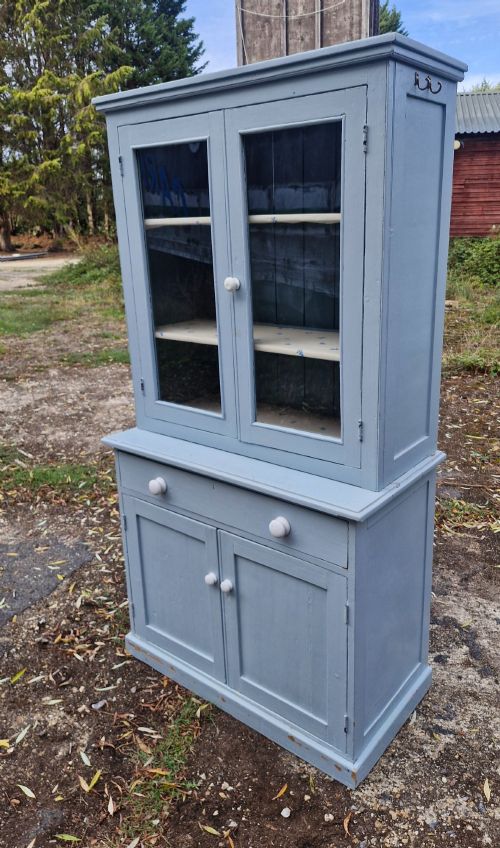
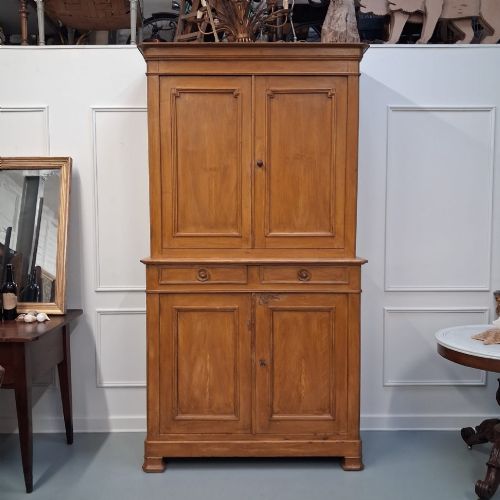
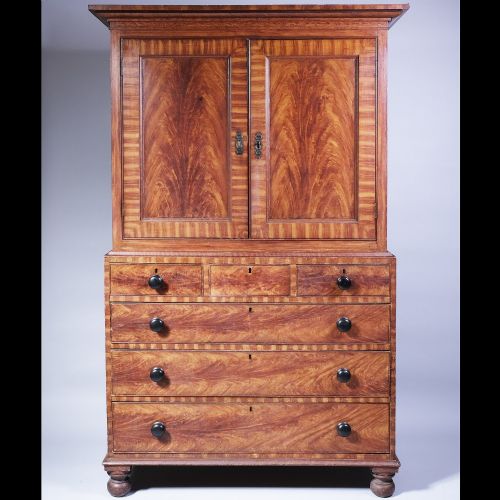
A pine pantry storage cupboard provides practical storage for provisions and household goods, drawing on traditions of domestic organisation. When searching for a pine pantry storage cupboard, buyers encounter substantial furniture designed to hold food, linen, or kitchen utensils.
The selections span several eras, with 19th Century and Victorian examples appearing most frequently alongside Georgian, Edwardian, and pieces dated around 1850 and 1910. These items emerge in forms such as housekeepers cupboards, larder cupboards, and kitchen dressers originating from English, French, Scandinavian, and Japanese contexts.
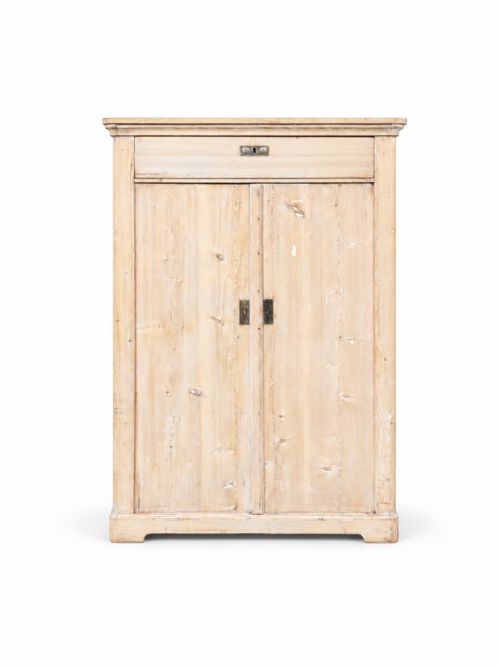
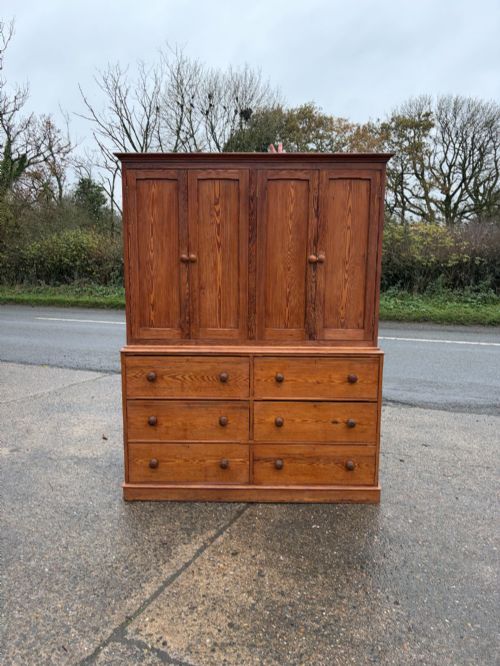
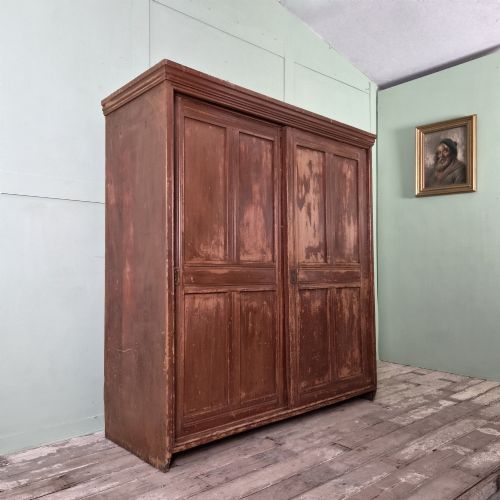
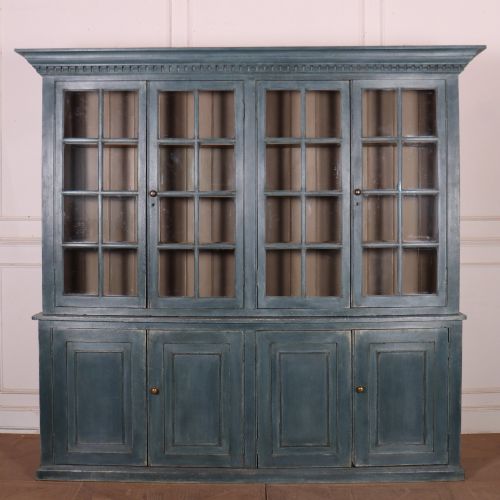
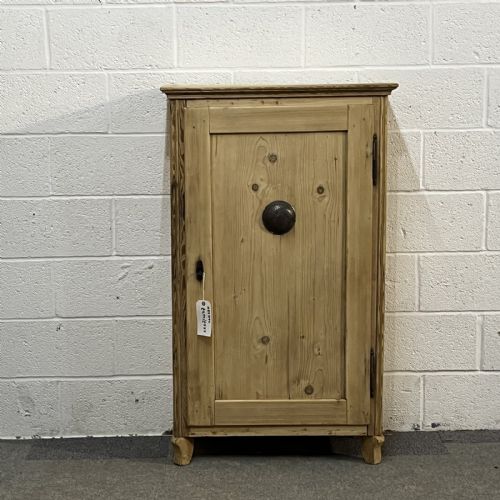
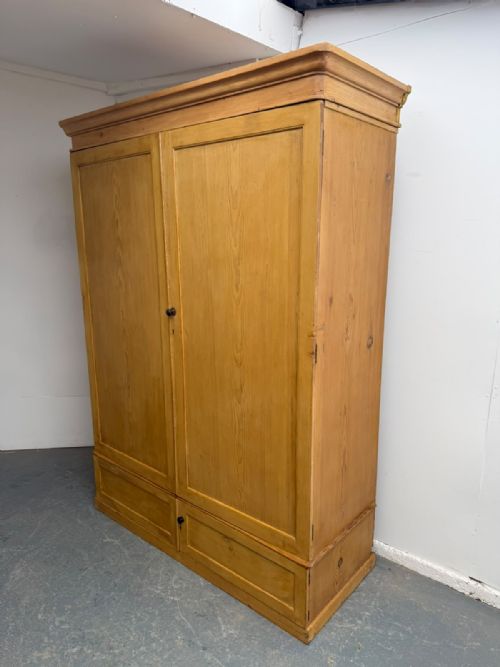
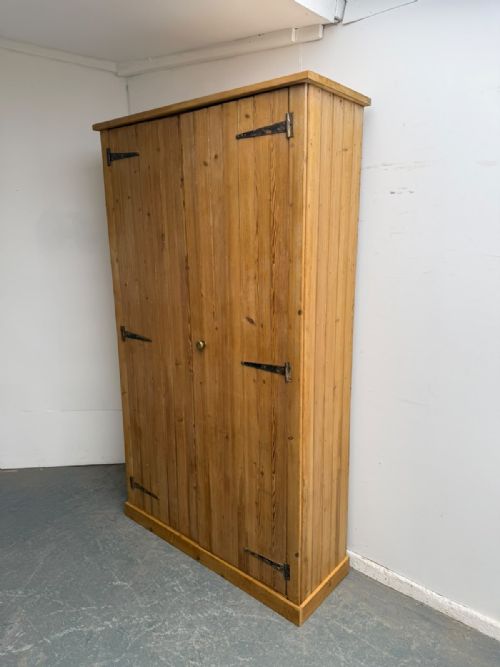
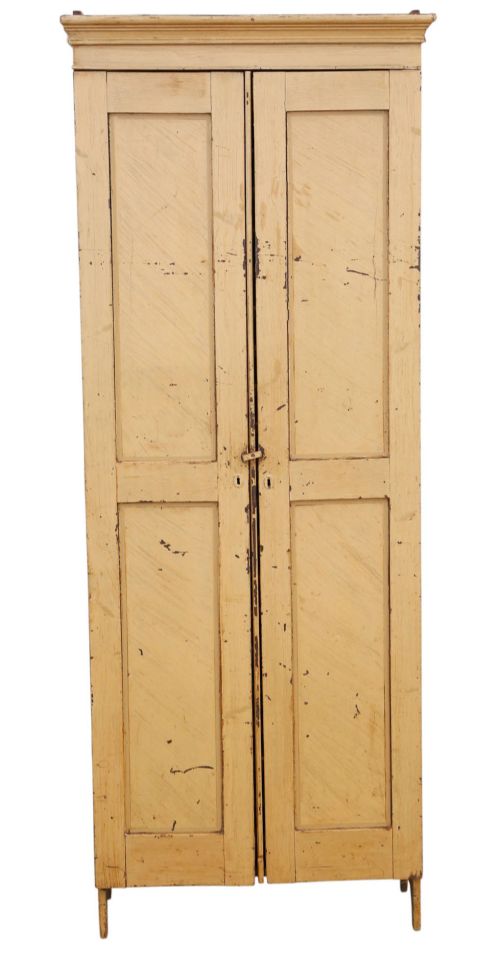
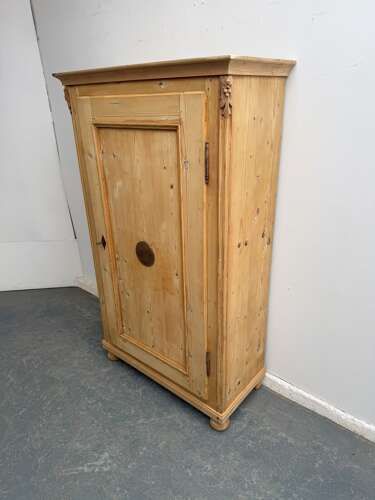
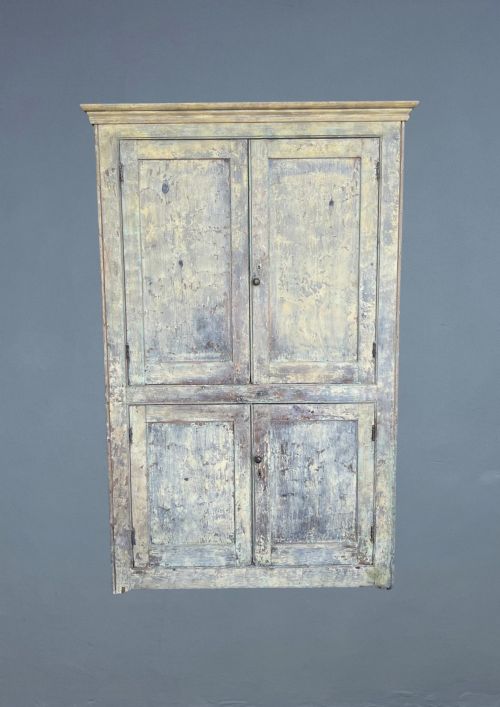
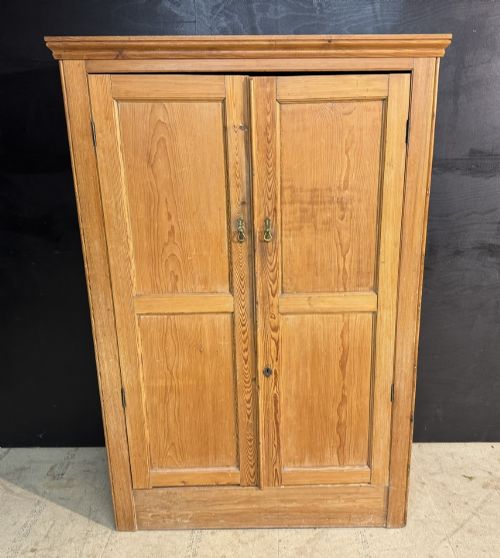
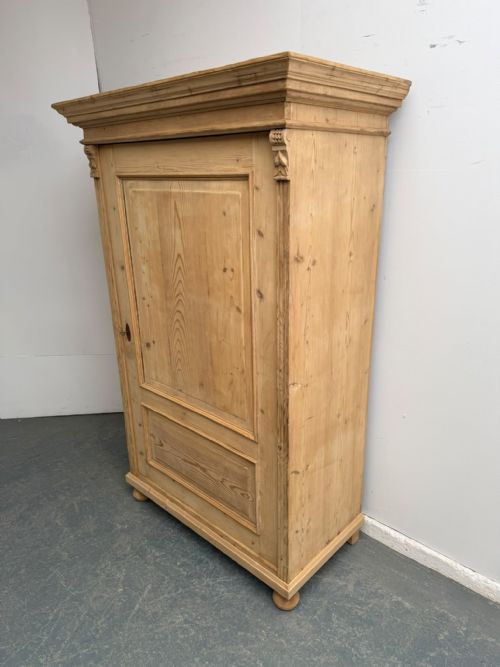
Makers constructed these cabinets with varying door configurations, ranging from single door and two door variants up to four door models. Tall narrow formats, low wide shapes, and shallow vented designs cater to different spatial requirements within a home.
How they were made
Craftsmen built these cupboards primarily using pine, often finishing the timber with paint, scumble glaze, or wax. Iron and brass fittings such as hinges and latches provide structural integrity and operational hardware.
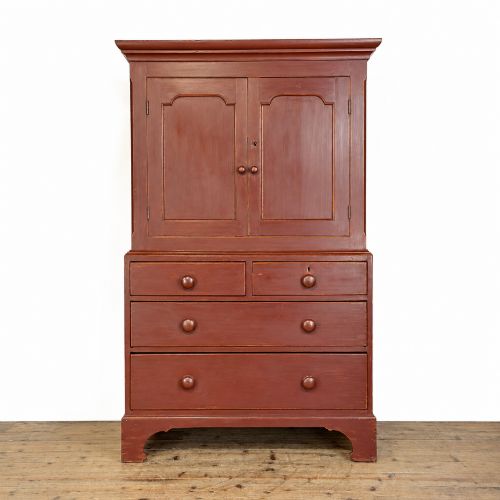
Construction techniques involve panel work, including fielded panels and beaded details, alongside vented sections designed for air circulation in food storage. Surfaces frequently display original paint finishes or later layers applied over the base wood.
Pine Pantry Storage Cupboard Retail Price Guide 2026
Typical asking prices for pine pantry storage cupboard among the pieces listed under this phrase on Sellingantiques today, from the lower quarter to the upper quarter. They describe what is for sale here now, not the wider market.
Bread and cheese cupboards keep traditional food groupings alive in name, long after the midday rations were eaten.
What varies in quality
The distinction between tiers rests upon the preservation of original surfaces and the integrity of the timber joinery. Pieces retaining their original paint or scumble finish hold greater character than those stripped down or repeatedly repainted.
Proportion and scale dictate the success of the design, with well-balanced proportions and refined panel details distinguishing finer regional workshop productions from utilitarian utility cupboards.
The Pine Pantry Storage Cupboard Glossary
- Housekeeper's cupboard
- A large storage cabinet traditionally used for storing linen, dry goods, and household provisions. These tall pieces often feature upper shelving and lower drawers or cupboards.
- Larder cupboard
- A specialised storage unit designed for food preservation, frequently incorporating vented panels to maintain airflow. They keep perishables cool before the widespread use of refrigeration.
- Scumble paint
- A decorative surface finish applied with a translucent glaze over a base coat to imitate finer wood grains or create mottled patterns. Artisans used this technique to elevate plain pine furniture.
- Fielded panel
- A wooden panel with bevelled edges that fits into a rebated frame, allowing the wood to expand and contract with humidity changes. This construction method prevents splitting on large doors.
- Breakfront
- A cabinet design where the central section projects forward from the flanking outer sections. This architectural arrangement adds depth and visual interest to larger case pieces.
Pine Pantry Storage Cupboard: Frequently Asked Questions
What is a pine pantry storage cupboard?
A pine pantry storage cupboard is a functional timber cabinet designed for domestic organisation and food or utility storage. They range from tall housekeepers models to low kitchen cupboards.
These pieces utilise solid pine construction, often featuring panelled doors, drawers, and occasionally ventilation for keeping provisions.
How were these cupboards used historically?
Households relied on these cabinets to store dried goods, linens, flour, and utensils before fitted kitchens existed. Vented versions helped circulate air around perishable items.
In larger country houses and farmhouses, they served as the central storage hub for day-to-day culinary management.
How do I identify the period of a pine cupboard?
Dating relies on construction methods, hardware types, and stylistic indicators such as Georgian proportions or Victorian detailing. Examining the backboards, fixings, and drawer dovetails reveals the era of manufacture.
Makers often marked pieces less frequently than formal furniture, making construction clues essential for determining age.