




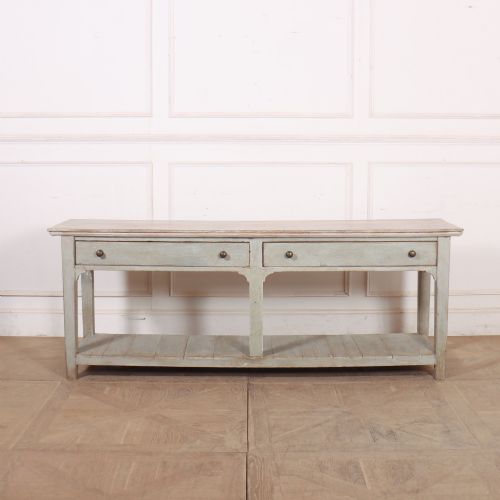
Pine Kitchen Furniture
Pine kitchen furniture brings practical utility and honest warmth into domestic spaces through enduring tables, dressers, and cupboards.
Pine Kitchen Furniture
Pine kitchen furniture encompasses domestic wooden items designed for culinary and storage tasks, ranging from spacious dining tables to extensive dressers. Buyers seeking pine kitchen furniture often encounter pieces originating from the eighteenth, nineteenth, and early twentieth centuries.
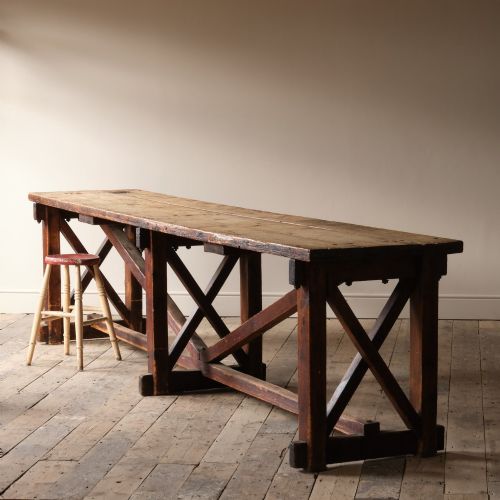
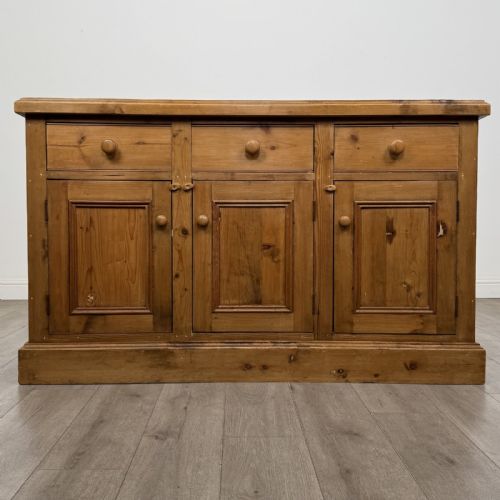
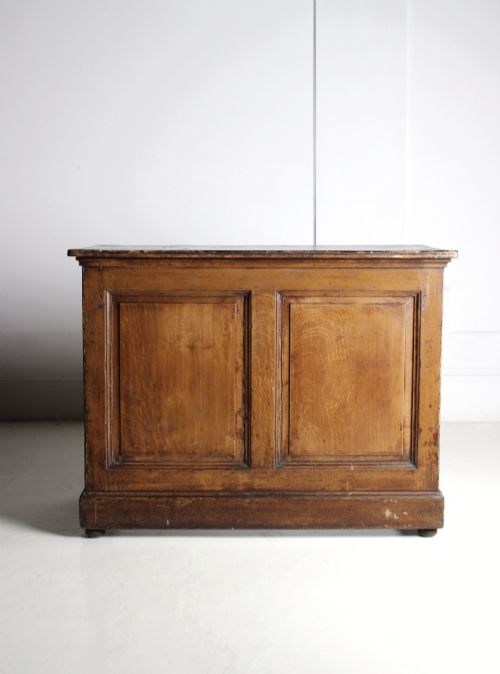
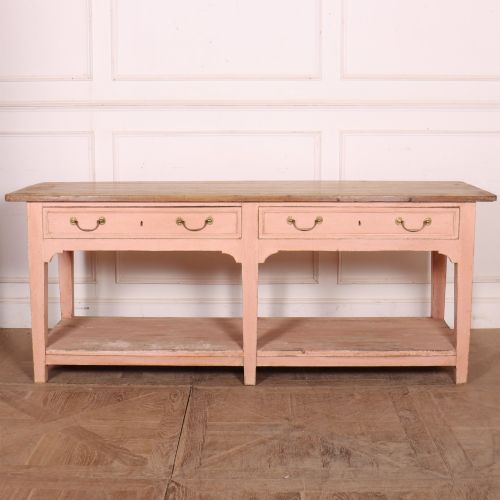
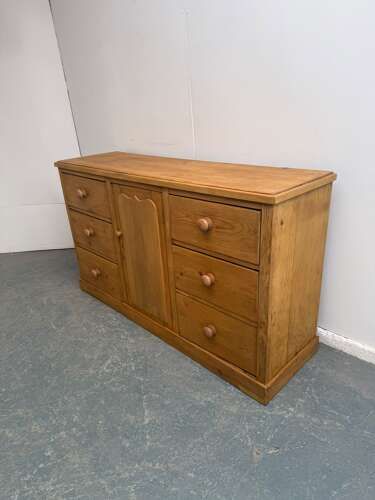
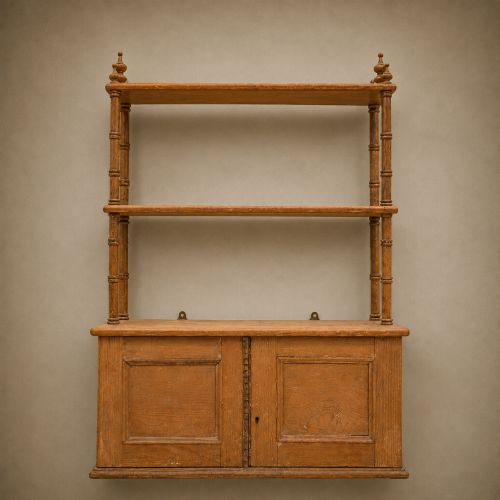
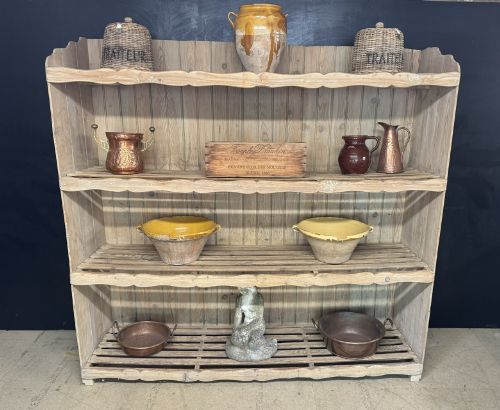
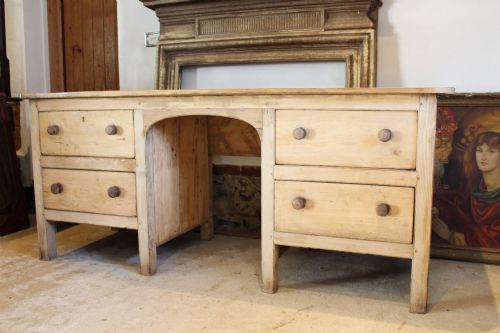
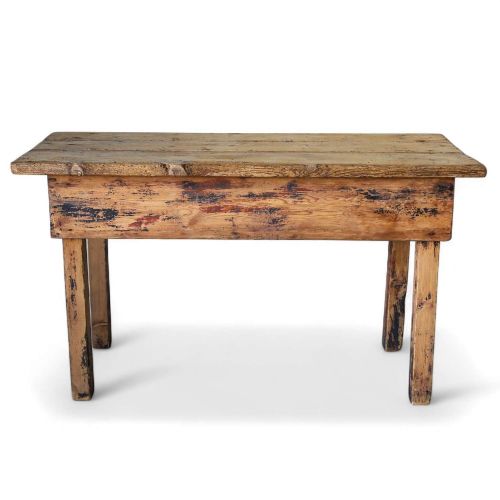
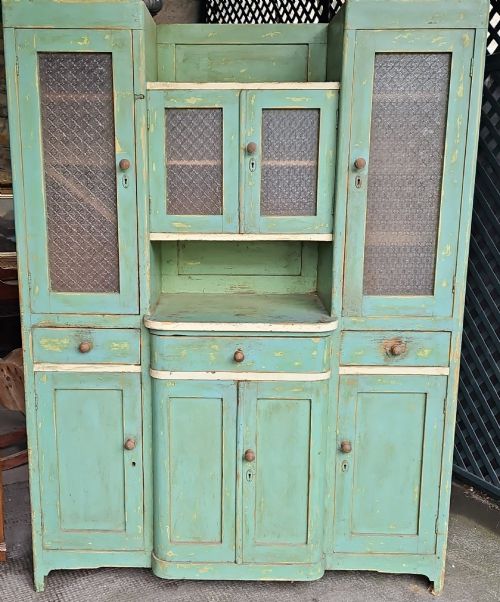
The selection on this page leans heavily toward nineteenth-century examples, alongside pieces from the eighteenth century and the Edwardian era. Forms include kitchen dressers, dresser bases, work tables, shop counters, benches, and wall shelves.
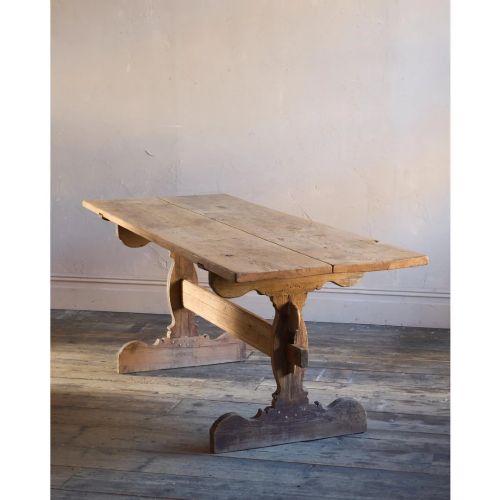
Geographic origins span British regions such as England, Scotland, Ireland, and Wales, alongside continental European sources including Sweden, France, Denmark, and Hungary. Regional variations dictate specific traits, such as potboard bases in British pieces or trestle frames in Swedish tables.
Materials and Construction
Construction relies primarily on solid pine, occasionally combined with auxiliary timbers such as oak, sycamore, and pitch pine. Iron and brass hardware, including hinges, pulls, and brackets, provide structural reinforcement and functional operation.
Surfaces exhibit diverse historic finishes, encompassing natural waxed timber, layered paint schemes, and specific regional treatments like Falu red or applied faux-oak graining. Joinery techniques reflect traditional workshop methods appropriate to utility furniture intended for heavy domestic use.
Pine Kitchen Furniture Retail Price Guide 2026
Typical asking prices for pine kitchen furniture among the pieces listed under this phrase on Sellingantiques today, from the lower quarter to the upper quarter. They describe what is for sale here now, not the wider market.
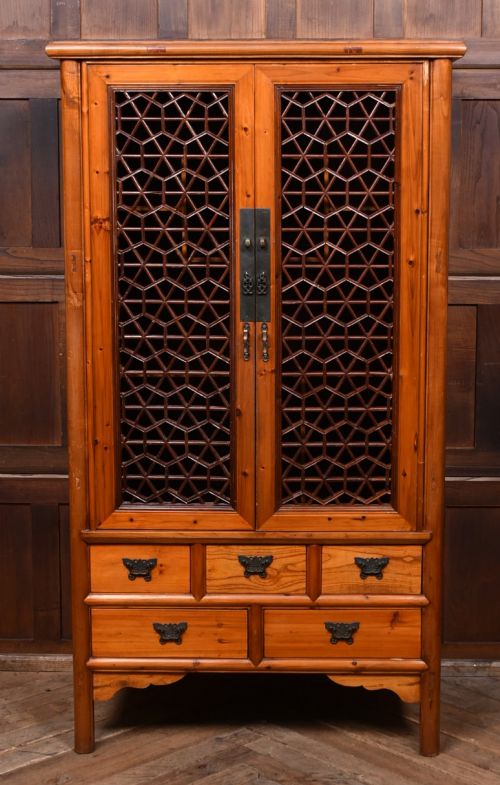
A solitary Japanese larder cupboard sits comfortably among the sea of European farmhouse dressers and Swedish workbenches.
Evaluating Quality and Character
Quality in these domestic pieces rests upon the integrity of the original construction and the survival of authentic surface finishes. Items retaining their early or original paint schemes demonstrate a higher level of historical preservation than those stripped down to bare wood in later decades.
Proportion and structural balance separate utilitarian items from those displaying finer regional craftsmanship. Tables with well-formed trestles or X-frames and dressers retaining original potboards or upper shelving configurations command greater attention from discerning collectors.
The Pine Kitchen Furniture Glossary
- Potboard base
- A dresser base featuring an open lower shelf designed for storing pots and heavy kitchen utensils. This traditional arrangement appears frequently in British country furniture.
- Falu paint
- A traditional deep red paint originating in Sweden, composed of copper mine waste and linseed oil. It provides a durable, matte finish on exterior and interior woodwork.
- Dresser base
- The lower section of a kitchen dresser, functioning independently as a sideboard or cabinet with drawers and cupboards. These pieces offer versatile storage surfaces for daily kitchen use.
- Trestle table
- A table construction where the top rests on two or more support assemblies joined by a horizontal stretcher. This format appears across Scandinavian and British vernacular dining pieces.
- Gustavian
- The Swedish neoclassical style spanning the late eighteenth and early nineteenth centuries, characterised by restrained lines and pale painted finishes. Pieces in this manner often feature subtle carved mouldings.
Pine Kitchen Furniture: Frequently Asked Questions
How do I clean antique pine?
Dust surfaces regularly with a soft, dry cloth to prevent particulate buildup on waxed or painted finishes. Avoid harsh chemical cleaners that strip historic wax layers or damage aged paint.
Nourish bare or waxed timber periodically with a traditional beeswax polish applied sparingly. Buff the surface gently after application to maintain a soft, protective sheen without creating artificial gloss.
What is a potboard base?
A potboard base is the lower cabinet portion of a kitchen dresser featuring an open lower shelf rather than enclosed cupboards. Historically, this shelf held heavy ceramic and metal cooking pots within easy reach.
These open lower tiers give the furniture a lighter visual footprint in contemporary kitchens. They provide functional display space for baskets, crockery, or culinary collections.
Are these tables suitable for dining?
Many work tables and farmhouse tables from the nineteenth century function effectively for daily dining and family gatherings. Their sturdy pine construction and generous proportions accommodate modern seating arrangements comfortably.
Consider the clearance height beneath the apron and the overall length when selecting a table for regular meals. Historic tables often feature lower clearance than contemporary dining sets due to their original utilitarian purpose.
How do I identify Swedish pieces?
Swedish pieces often display pale painted finishes, including cream, grey, or traditional Falu colours, alongside neoclassical Gustavian details. Structural forms frequently incorporate trestle bases, drop leaves, or clean-lined cabinet doors.
Construction methods and regional hardware types further distinguish Scandinavian work from British equivalents. Examining the timber species and tool marks helps confirm the northern European origin.