





Pine Drawer Unit
A pine drawer unit brings honest timber and dependable storage into a room, offering practical utility shaped by Victorian, Edwardian, and earlier hands.
Pine Drawer Unit
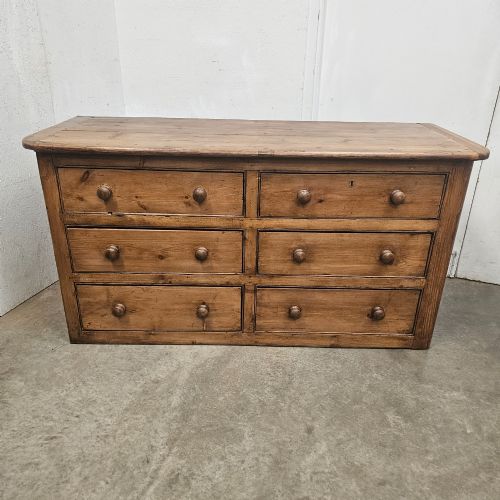
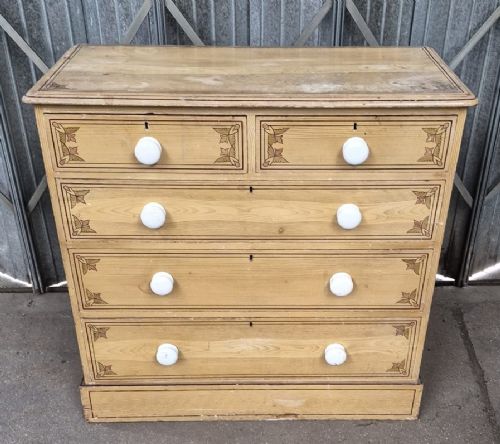
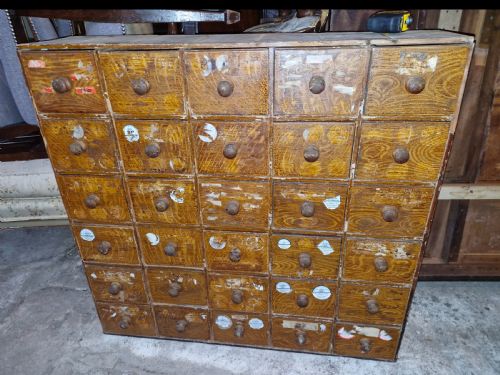
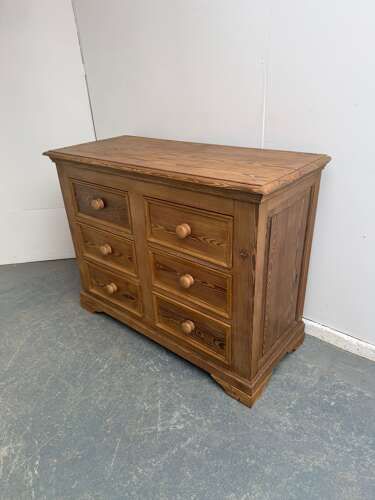
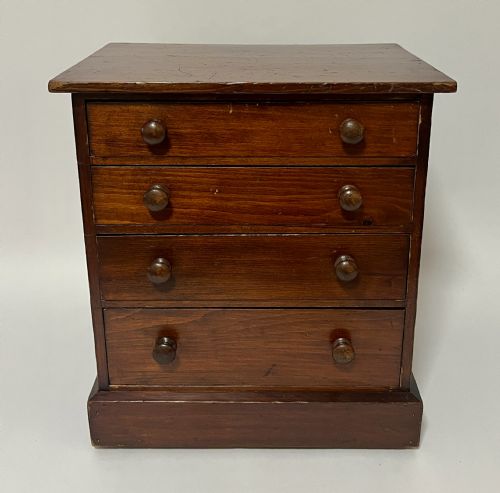
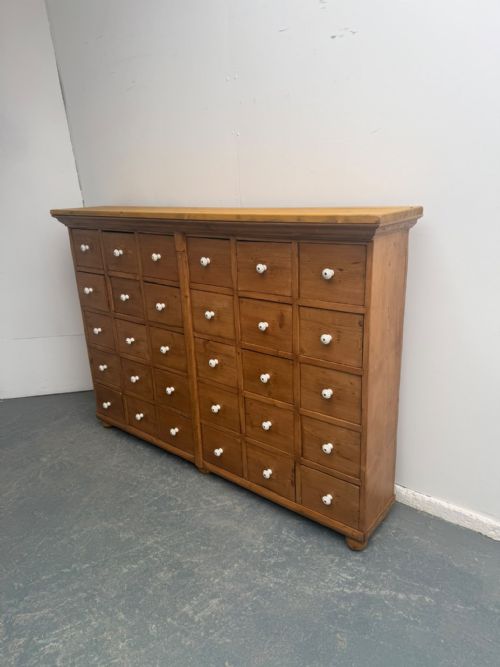
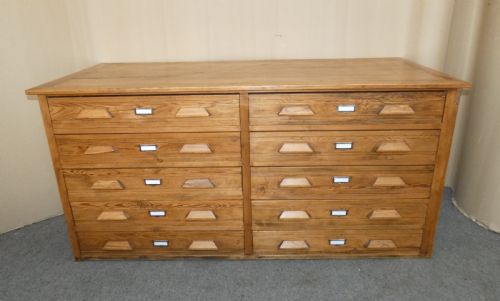
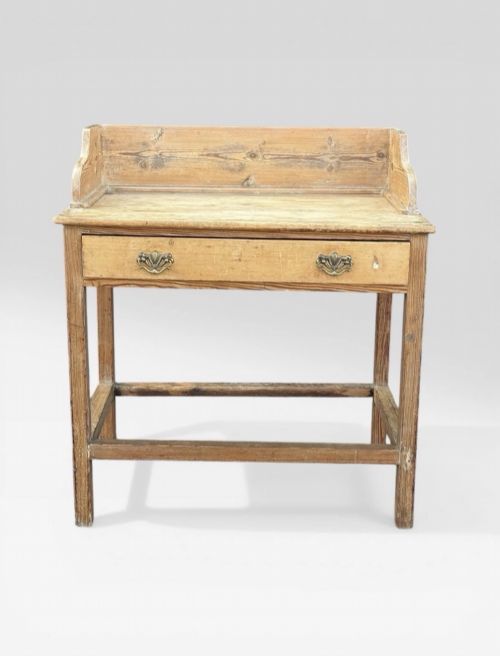
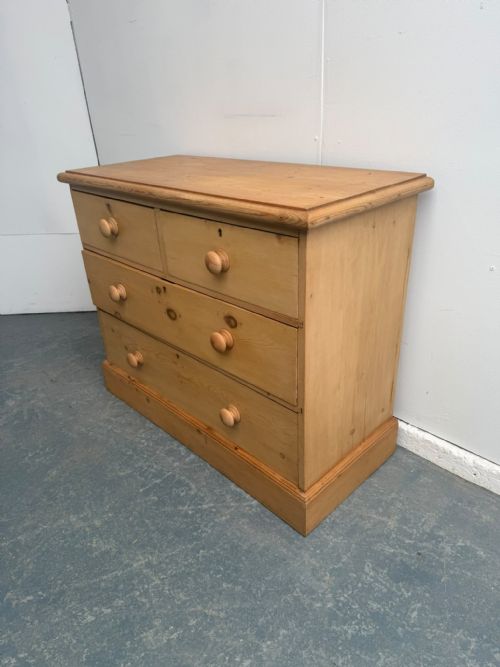
A pine drawer unit encompasses a wide variety of practical storage forms, most commonly appearing as chest of drawers, banks of drawers, and shop fittings from the Victorian and Edwardian periods. Buyers search for these pieces to add functional capacity and warm timber character to domestic and workspace interiors.
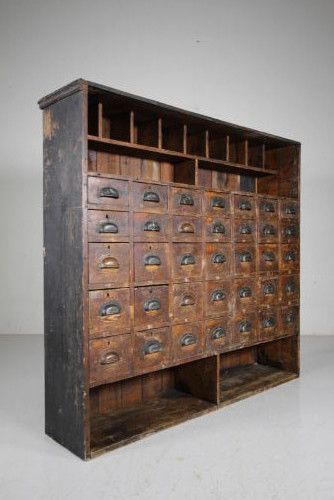
The selection ranges from domestic bedroom chests and dressing tables to utilitarian shop fittings such as florist seed chests, haberdashers drawers, and large banks of office drawers originating from English, Irish, French, and Hungarian workshops.
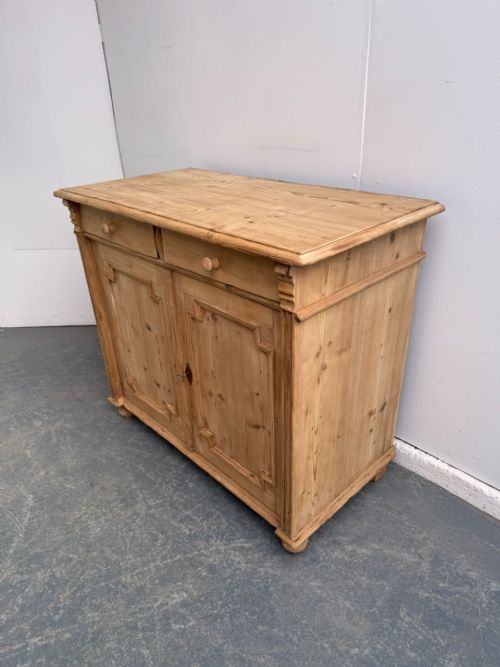
Kitchen dresser bases, collectors cabinets, and sideboards also feature within the selection, showing how versatile the timber was utilised across different centuries and domestic settings.
How they were made
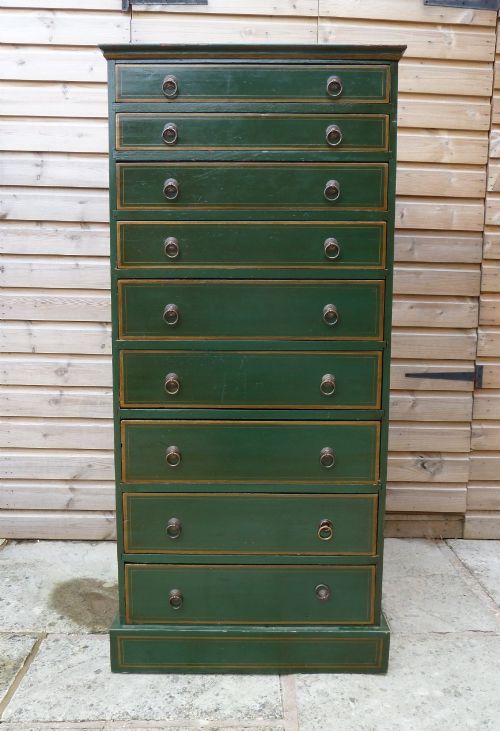
Construction relies heavily on solid pine and deal timber, joined with traditional carpentry methods to build durable drawer units and cabinetry designed for daily use. Surfaces are frequently finished with clear wax to highlight the natural grain, or left with original painted and scumbled finishes.
Hardware details typically include period brass and metal handles, whilst structural integrity is often maintained by sturdy wooden framing that allows larger items like bedroom units and shop counters to dismantle.
Pine Drawer Unit Retail Price Guide 2026
Typical asking prices for pine drawer unit among the pieces listed under this phrase on Sellingantiques today, from the lower quarter to the upper quarter. They describe what is for sale here now, not the wider market.
Some multi-drawer shop units contain fifty individual compartments, originally designed to keep tiny haberdashery items from disappearing.
What varies in quality
Quality separates ordinary utility pieces from finer examples through the crispness of the drawer construction, the retention of original paint or rich waxed patination, and the integrity of the original brass or iron handles.
Scale and complexity also define the better examples, distinguishing standard domestic chests from large multi-drawer shop fittings, florist seed cabinets, and columned Hungarian shop pieces.
Luxmore's of Ilfracombe
The Pine Drawer Unit Glossary
- Scumble
- A decorative paint technique involving translucent layers dragged or brushed over a base coat to imitate finer wood grains.
- Deal
- A traditional term used for softwood timber cut from fir or pine trees, commonly utilised in utilitarian cabinet making.
- Dresser base
- The lower portion of a kitchen or dining room sideboard featuring cupboards and drawers without the upper plate rack.
- Bank of drawers
- A modular multi-drawer storage unit originally created for commercial, office, or shop use.
- Waxed
- A surface treatment applied to timber to nourish the wood and produce a warm, low-sheen protective finish.
Pine Drawer Unit: Frequently Asked Questions
How do I clean a waxed pine chest of drawers?
Clean the surface gently using a soft, dry cloth to remove dust without disturbing the wax finish.
Avoid harsh chemical cleaners or excess water, applying a fresh coat of beeswax occasionally to maintain the timber's condition.
Can large banks of drawers be dismantled for moving?
Many larger wardrobe units, bedroom pieces, and cupboards are constructed to partially or fully dismantle for transport.
Checking the specific construction details helps determine how easily a multi-drawer unit navigates tight doorways and stairwells.
What is the difference between deal and pine?
Deal is simply an older trade term specifically applied to softwood timber cut from pine or fir logs.
Both terms refer to the same practical material utilised extensively across Victorian and Edwardian utility furniture.
Are painted finishes on these units original?
Original painted and scumbled surfaces display natural wear, layering, and patination accumulated through decades of commercial or domestic use.
Examining the paint edges reveals whether the colour coating dates from the period of manufacture or represents later redecoration.